
Car window tint prices in California come down to two things: the type of film and the labor. Dyed film is the cheapest job, carbon sits in the middle, and ceramic costs the most because the film itself costs more and it is what most drivers in hot inland areas end up wanting.
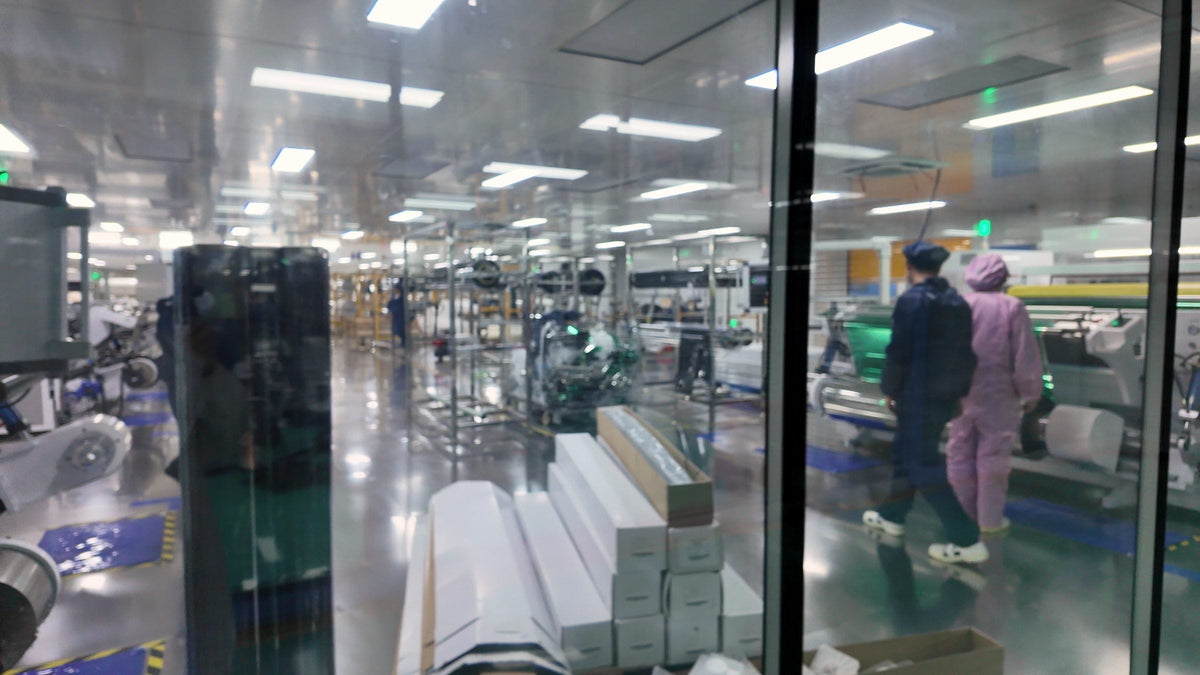
This guide is for shop owners, dealers and fleet buyers in Los Angeles, San Diego, the Bay Area and the Inland Empire who want to understand where the money goes, how the film types differ, and how to judge a film brand before putting it on customer cars. HIGHCOOL makes Window Film in our own Shanghai factory and sells it by the roll, so we look at this from the supply side.

Car tint prices: what the customer is paying for
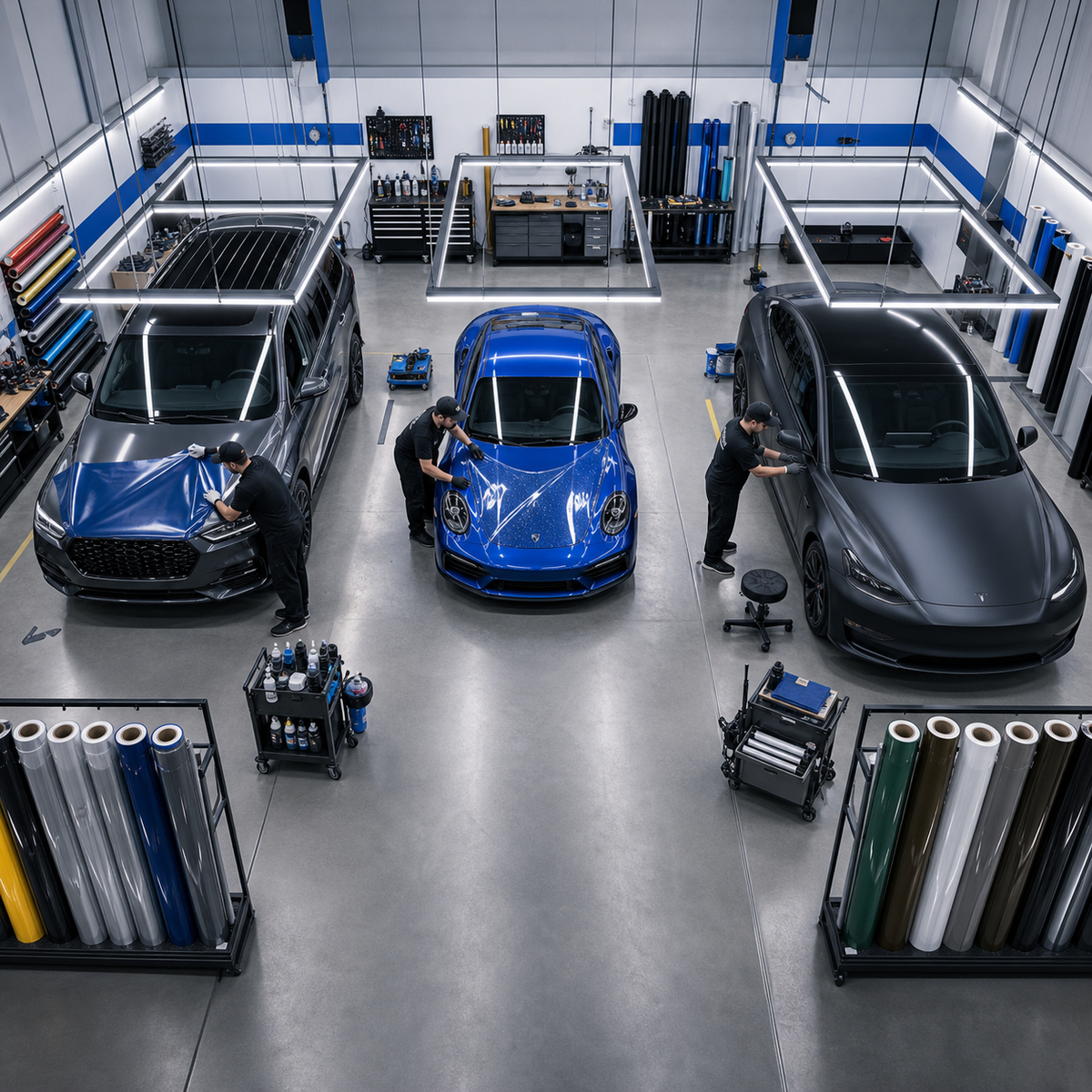
A tint quote is film plus time. The film grade sets the floor. The car sets the labor: a two-door coupe with flat glass is quicker than an SUV with a steep, curved back window that has to be heat-shrunk in one piece. The shop's warranty, its bay conditions and its local rent fill in the rest. That is why two shops on the same street can quote very different numbers for the same car.
The useful comparison for a driver is cost per year of service, not price per car. A cheap dyed film that turns purple and bubbles a couple of summers later has to be stripped and redone, and the stripping is extra labor. A ceramic film that stays clear for years costs more on day one and less over the life of the car. For the shop, the redo is the real cost: it ties up a bay and a tech for a job nobody is paying for.
We do not print retail prices here because they vary too much by city, car and shop. If you are pricing your own menu, start from your film cost per car, your labor time per model, and what the shops near you charge.
Types of window tinting
Dyed film
Dyed film colors the glass and cuts glare. It blocks little heat, and low-grade dye fades toward purple in strong sun. It suits budget jobs and customers who mostly want a darker look.
Carbon film
Carbon film holds its color better than dye, has a matte, even look and blocks more heat. It is a solid middle option for drivers who want a darker shade with fewer callbacks.
Ceramic film
Ceramic, often sold as nano-ceramic, uses non-conductive particles to block infrared heat. It has no metal layer, so it does not interfere with phone signals, GPS or the sensors and antennas on modern EVs. It is the type that delivers heat rejection at the light shades California requires on the front side windows, where glass and film together must let at least 70% of light through.
Colored window tint
Colored tint, in shades such as blue, bronze or Grey, is back on some luxury and fleet vehicles where the owner wants a look that matches the brand. Check the color and reflectivity rules before you install it, and make sure the color comes from a stable construction, so it does not drift after a few summers.
How to judge a window tint brand
For a shop, the film you carry is your reputation, because the customer remembers the shop name, not the film name. Three questions sort good window tint brands from the rest.
First, does the color hold? Ask how the color is made and ask for weathering or fade results on the exact shade. A film that drifts after a year in the sun lands back on your bay.
Second, does the adhesive hold in heat? A summer afternoon inland can push a parked car's glass much hotter than the air. Look for film that stays flat at the edges without bubbling or lifting, and ask what the warranty covers if it does not.
Third, how does it shrink? An installer needs film that heat-shrinks evenly on a curved rear window without fingers that will not lay down. Order a sample and try it on the hardest glass you do regularly, not on a flat test panel.
Consistency between rolls matters as much as any single spec. If the 35% from one order looks different from the 35% from the next, front and rear windows will not match on a repair job.
What sets a good tint shop apart
Customers judge a tint job up close. They look at the top edge of a roll-down window for a light gap, and they look for specks of dust trapped under the film. Clean edges and a clean bay matter more than any brochure. A clear written warranty matters too, and it is only as good as the film supplier behind it.
Sourcing film for a California shop or fleet
Dealerships, fleet owners and multi-location shops can save the distributor margin by buying from a factory directly, as long as the factory can show test data, keep shades consistent from order to order and back the product with a written warranty. HIGHCOOL sells factory-direct, with no middlemen, and every roll carries its own code for warranty traceability. We make dyed and nano ceramic film only, no carbon or metallized film. The WA dyed line is 1.5 mil with a 5-year warranty. The WV and WU nano ceramic lines are about 2 mil with a 7-year warranty, in shades from 4% to 70% VLT, and WU adds UV400 blocking. Rolls are 60 in x 98 ft (1.52 m x 30 m). Window Film ships from China, and free A4 samples come from our US sample stock with the buyer paying shipping.
If you want to compare our film against what is on your shelf now, request samples through the Window Film collection or tell us your country and monthly volume on the contact page.
FAQ
How much does window tint cost in California?
It depends mostly on the film type and the vehicle, with dyed film cheapest and ceramic most expensive. Labor varies with the car, since a curved rear window takes longer than flat glass. Get quotes from a few local shops for your exact model and film.
What type of window tint is best for California heat?
Ceramic film is the best fit for most California drivers because it blocks infrared heat even at light shades. That matters because the front side windows must let at least 70% of light through. It also does not interfere with phone or GPS signals.
How do I tell if a window tint brand is good?
Test a sample on a hard curved window and ask for fade and adhesive data on the exact shade you plan to sell. Check that the color matches from one roll to the next. Read the warranty terms before you put the film on customer cars.

Share:
Car Paint Restoration: How to Fix Faded Paint on Fleet and Dealer Cars
Is Ceramic Tint Worth It? The 2026 ROI Analysis for California Fleets and Luxury Vehicles