
In the competitive California automotive landscape, a vehicle’s exterior is a direct reflection of its corporate identity and its remaining market value. Whether you are managing a logistics fleet in the dusty corridors of the Central Valley or refurbishing high-end trade-ins in Beverly Hills, understanding car paint restoration is essential.
The relentless California sun, combined with coastal salt air and industrial pollutants, creates a "hostile environment" for automotive finishes. As a factory-direct leader, Highcool™ provides this technical white paper to help B2B operators diagnose, restore, and ultimately protect their mobile assets from the silent erosion of oxidation and fading.
Summary: The Strategic Restoration Briefing
Car paint restoration is the process of reversing years of environmental neglect to restore a vehicle's original gloss and structural integrity. In 2026, California businesses are shifting away from temporary "quick fixes" toward long-term Paint Protection Film (PPF) and High-Performance Vinyl solutions.
-
The Culprits: We identify UV radiation as the primary driver of oxidation, compounded by chemical contaminants and abrasive cleaning mistakes.
-
The Protocol: We outline a multi-stage professional restoration process—from decontamination to multi-stage machine polishing.
-
The B2B Edge: We compare traditional "buffing" against the modern alternative: using Highcool™ Vinyl Wraps to bypass paint failure entirely, providing a cost-effective "showroom reset" for aged fleets.
1. The Anatomy of Deterioration: What Causes Car Paint to Fail in California?
To restore paint effectively, one must understand the pathology of its failure. In California, paint doesn't just "get dirty"; it undergoes a chemical transformation.
-
UV-Induced Photo-Oxidation: This is the leading cause of faded paint. UV rays break down the molecular bonds in the clear coat, leading to a cloudy, white appearance known as oxidation.
-
Thermal Shock: Constant cycling between 100°F daytime heat and 50°F nighttime cooling causes micro-expansion and contraction in the metal panels, eventually leading to clear coat delamination (peeling).
-
Environmental Corrosion: For vehicles near the Pacific coast, salt-laden moisture acts as an electrolyte, accelerating the corrosion of any exposed metal where the paint has thinned.
2. Tools and Materials: The Industrial Restoration Toolkit
A professional-grade restoration requires more than a bottle of wax. At the Highcool™ testing facility, we recommend the following arsenal:
-
Dual-Action (DA) Polishers: Essential for safely removing thin layers of oxidized clear coat without creating holographic swirls.
-
Decontamination Logic: You cannot polish over dirt. You need Industrial Clay Bars and Iron Removers to pull metallic fallout out of the paint pores.
-
Abrasive Grading: A selection of heavy-cut compounds, medium polishes, and ultra-fine finishing glazes.
-
Highcool™ Surface Prep: Specialized IPA (Isopropyl Alcohol) sprays to ensure the surface is 100% oil-free before applying any protective layer.
3. The Multi-Stage Restoration Process: A Step-by-Step Guide
Step 1: Deep Chemical & Mechanical Decontamination
The first step is a pH-neutral strip wash to remove old waxes. This is followed by a clay bar treatment. In industrial areas like Long Beach, metallic fallout from nearby shipping is a major concern; an iron-remover spray is mandatory to prevent these particles from scratching the paint during the polishing stage.
Step 2: Paint Thickness Measurement
Before applying any abrasive, use a Paint Depth Gauge. If the clear coat is less than 2 mils thick, aggressive restoration is too risky. This is the "Point of No Return" where we recommend a Highcool™ Vinyl Wrap instead of further polishing.
Step 3: Multi-Stage Compounding & Polishing
-
Cutting Stage: Using a heavy-cut pad to "level" the deep scratches and heavy oxidation.
-
Polishing Stage: Refining the surface to remove the haze left by the cutting stage.
-
Jeweling Stage: Bringing out the maximum depth of color and "showroom shine."
4. Advanced Solutions for Heavily Damaged Paint
When car paint is heavily damaged—characterized by "clear coat failure" (the white, peeling skin)—traditional polishing will not work. In fact, polishing a failing clear coat will only accelerate the damage.
-
The Respray vs. Wrap Dilemma: A professional respray in California is expensive and time-consuming due to strict VOC regulations.
-
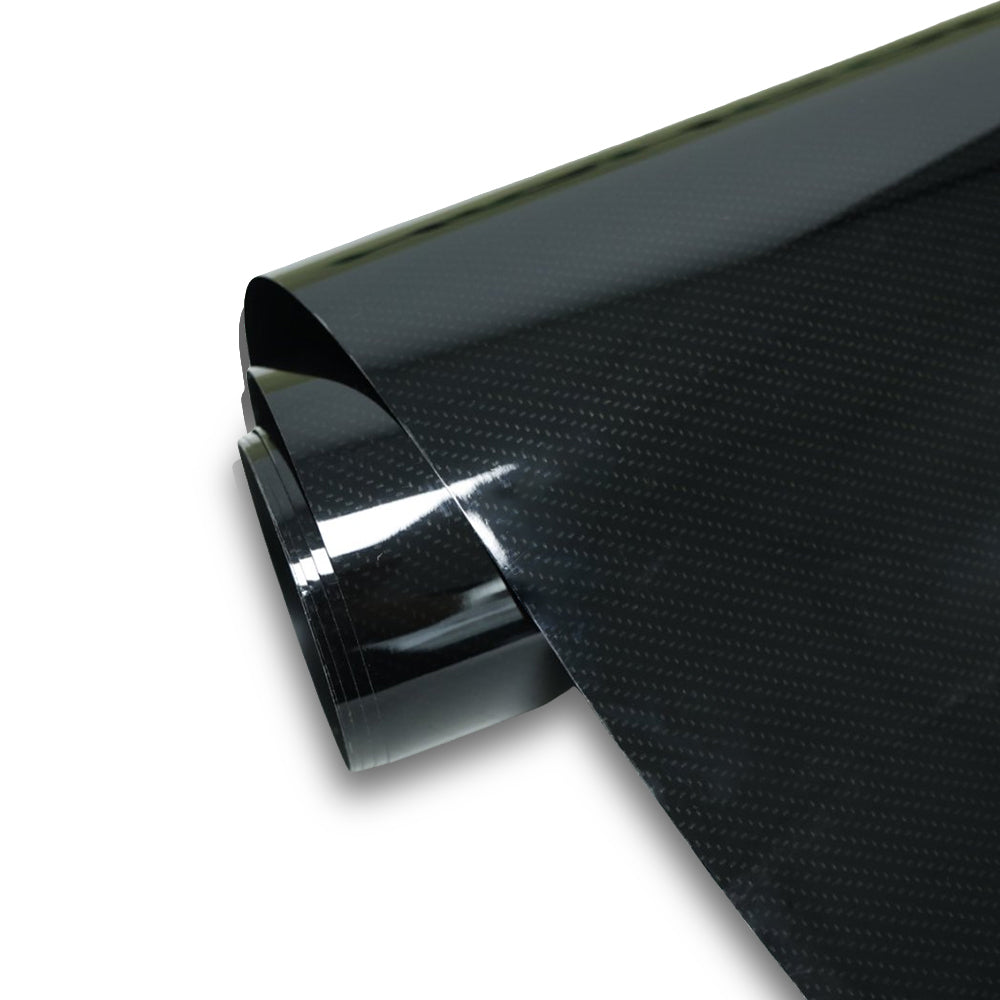
The Highcool™ Solution: For heavy damage, we recommend sanding the surface smooth and applying a Highcool™ High-Gloss Color Change Wrap. This provides a factory-paint look in a fraction of the time and at a significantly lower unit cost for fleet operators.
5. Preventing Paint Damage: Proactive Asset Protection
"Restoration is expensive; prevention is an investment." For California fleets, a proactive defense strategy is the key to maintaining a high resale value.
Method 1: UV-Protective Ceramic Coatings
Once the paint is restored, it must be sealed. Professional ceramic coatings provide a sacrificial layer that is far more resistant to the California sun than traditional car wax.
Method 2: Highcool™ Paint Protection Film (PPF)
For high-value assets, PPF is the only 100% effective way to prevent future damage. It creates a physical barrier that absorbs 99% of UV rays and prevents rock chips that lead to corrosion.
6. Options for Fixing Fading Car Paint: A B2B ROI Analysis
When deciding how to fix faded car paint, fleet managers must weigh the cost against the expected lifespan of the vehicle.
| Solution | Durability | ROI / Resale Impact | Best For |
| Clay & Wax | 3 Months | Low | Short-term resale prep |
| Machine Polishing | 1-2 Years | Medium | Moderate oxidation on newer cars |
| Highcool™ Vinyl Wrap | 5-7 Years | High | Heavily faded or branded fleets |
| Highcool™ PPF | 10+ Years | Maximum | Luxury assets & long-term fleets |
7. The Leading Causes of Faded Paint: What to Avoid
-
Abrasive Cleaners and Chemicals: Many "automated" truck washes in industrial zones use high-pH soaps that strip the paint's natural oils, accelerating the fading process.
-
Parking Strategy: In California, the angle of the sun at 2 PM is the most damaging. If shaded parking isn't available, we recommend UV-Protective Car Covers for stationary assets.
-
Contaminants and Pollution: Bird droppings and tree sap in the heat of a California summer act like acid. If not removed within 24 hours, they will etch permanently into the paint.
8. Why Highcool™ is the Factory Partner for California Success
At Highcool™, we don't just manufacture film; we solve the "depreciation crisis" for California businesses.
-
Factory-Direct Precision: By bypassing middlemen, we provide the highest-grade restorative films and PPF at price points that make fleet-wide application viable.
-
UV-Stable Technology: Our materials are specifically "California-Tested." We use UV-inhibitors that are designed for high-lumen, high-heat environments, ensuring our wraps don't fade like the paint they are protecting.
-
Dye-Lot Integrity: When a fleet vehicle is damaged, our factory-controlled color matching ensures that the "Fix" is invisible, maintaining the professional uniformity of your brand.
Summary: From Restoration to Preservation
The cost to restore car paint should be viewed as a capital investment. By moving from reactive "fixing" to proactive "preservation" using Highcool™ technology, California businesses can stop the cycle of asset degradation. Whether you are polishing out minor oxidation or performing a full "Color-Reset" with our premium vinyl, the goal remains the same: Protect the asset, protect the brand.
Revitalize Your Fleet Today
Stop letting the California sun erode your profits. Contact the Highcool™ technical team for a custom restoration and protection plan.
-
Email: contact@highcool.com
-
WhatsApp: +86 13361992295
-
Highcool™: Restoring the Past. Engineering the Future.


Share:
How to Remove Window Tint: A Professional Guide for California Shops
2026 California Industry Report: Navigating Window Tint Prices, Material Types, and Professional ROI