
PPF Brands Compared in 2026: XPEL, 3M, SunTek, and HIGHCOOL's TPU Alternative
Professional installers and distributors do not evaluate paint protection film on brand recognition alone. For wrap shops, automotive businesses, and wholesalers, the real priorities are consistent material quality, installation performance, product availability, warranty terms, and the actual cost per linear meter.
XPEL, 3M, and SunTek are established names in the PPF market. At the same time, many businesses are looking for a more cost-efficient TPU alternative, particularly for price-sensitive projects, larger vehicle fleets, and resale programs. HIGHCOOL positions itself in this segment as a factory-direct supplier with in-house production.
The following PPF brand comparison looks at each supplier from a B2B perspective. Technical specifications and warranties must always be verified for the exact product series being quoted. Broad claims covering an entire brand portfolio are not technically reliable.
PPF Brand Comparison 2026: At a Glance
| Brand | Film Thickness | TPU Resin or Material Disclosure | Self-Healing | Warranty | Price per Linear Meter |
|---|---|---|---|---|---|
| XPEL | Approx. 200 µm as a commonly cited reference; verify the specific series | Not specified in the information used for this comparison | Verify by series and technical data sheet | Varies by series and market; review the applicable terms | Upper premium tier |
| 3M Scotchgard Pro | No single specification applies; verify the product series | Not specified in the information used for this comparison | Verify by series | Confirm the specific series and regional terms | Branded/premium tier |
| SunTek | No single specification applies; verify the product series | Not specified in the information used for this comparison | Verify by series | Confirm the specific series and regional terms | Branded/premium tier |
| HIGHCOOL | Varies by series; confirm against the data sheet before ordering | TPU resins from Wanhua, Covestro, BASF, and Lubrizol | Do not assume every series has the same performance; request a written product specification | PPF series structure: W, 5 years; C, 7 years; E, 8 years; L, 10 years; colored TPU PPF, 5 or 7 years | Factory-direct B2B pricing based on series, volume, and order quantity |
The table highlights an important point: a credible comparison should never fill gaps in product data with assumptions. For every quotation, request the complete film construction, total thickness in microns, TPU system, topcoat technology, and written warranty terms.
XPEL: A Strong Brand Standard with a Clear Software Advantage
XPEL is a well-established benchmark in the professional paint protection market. The brand sits in the upper price tier and is often associated with film thickness around 200 µm, although the specific series should always be checked. The material itself, however, is only part of the offering.
XPEL's main structural advantage is its DAP software and extensive library of vehicle-specific precut patterns. Installers can select the appropriate templates, cut panels in advance, and reduce on-vehicle trimming. For high-volume shops working on recurring vehicle models with standardized processes, those labor savings can partly offset the higher material cost.
That advantage should not be understated in a serious PPF brand comparison. A shop that processes multiple vehicles every day and bases its production workflow on ready-made pattern data is buying more than film from XPEL. It is buying into a process system.
The tradeoff is the cost structure. For shops that cut primarily by hand, use their own legally licensed plotter data, or install multiple film brands, the value of a closed ecosystem may vary from one project to the next. In those cases, the purchase price per linear meter carries more weight.
3M and SunTek: Established Names for Risk-Conscious Buyers
3M Scotchgard Pro and SunTek benefit from strong brand recognition and established market positions. This can make conversations easier with end customers who specifically request a familiar brand. For distributors, carrying a recognized name may also support resale.
Purchasing decisions should still go beyond the logo. Product series within the same brand portfolio may differ in topcoat, thickness, installation characteristics, and warranty requirements. Confirm that the exact product fits the intended application:
- Will it be used mainly for partial-front stone-chip protection?
- Is the PPF intended for full-body installations?
- How much edge wrapping is required?
- What maintenance and claims procedures apply?
- Does the warranty cover material failure only, or does it also address specified changes in appearance?
In B2B purchasing, the written specification matters more than a general brand description. It provides the basis for estimating costs, planning installation, and handling future warranty claims.
HIGHCOOL: TPU PPF from In-House Production
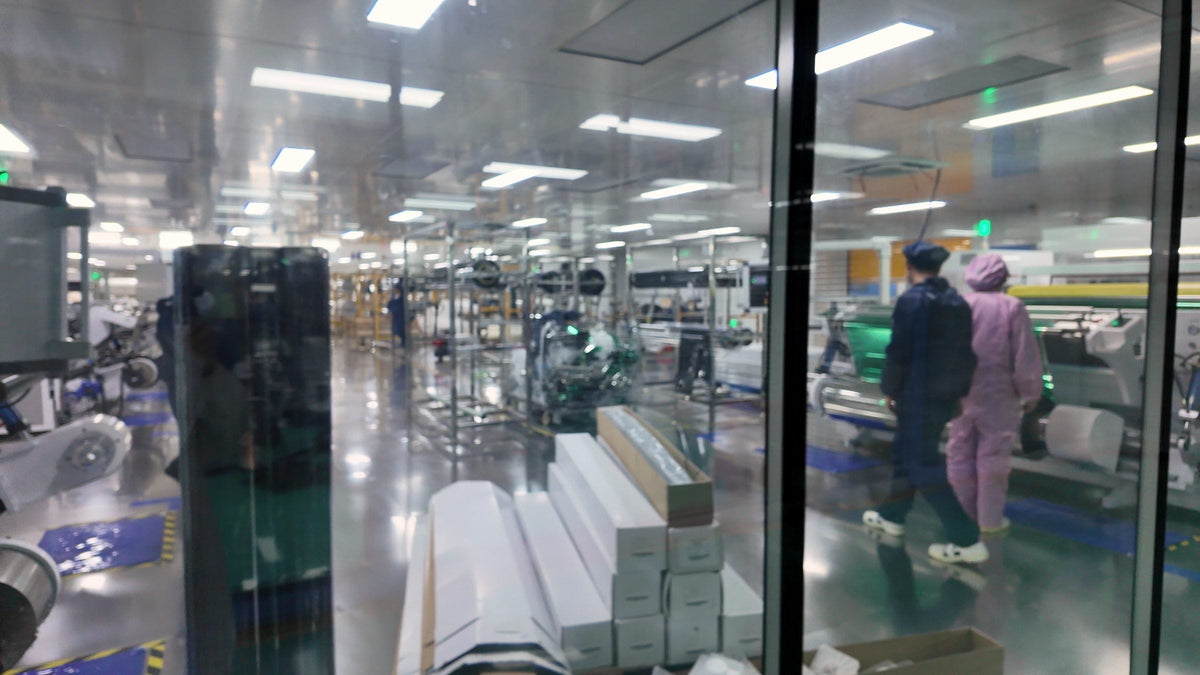
HIGHCOOL serves PPF installers, automotive shops, sign and graphics businesses, and distributors that want to source paint protection film directly from the manufacturer. The company operates its own 20,000 m² production facility and uses TPU resins from Wanhua, Covestro, BASF, and Lubrizol.
The standard roll size is 1.52 × 15 meters. HIGHCOOL offers four transparent PPF series with clearly structured warranty periods:
- W Series: 5 years
- C Series: 7 years
- E Series: 8 years
- L Series: 10 years
- Colored TPU PPF: 5 years for the standard grade or 7 years for the higher grade
This tiered structure is practical for commercial buyers because not every project requires the same material class. A leased vehicle, a fleet application, and a high-value collector car call for different cost calculations. Before ordering, match the selected series with its technical specification and applicable warranty terms.
PPF inventory is available in a US warehouse. Whether that warehouse is the best fulfillment route for a particular order depends on the destination market, required volume, and delivery schedule.
How HIGHCOOL Addresses the Lack of a DAP-Type System
Based on the information available, HIGHCOOL does not operate a proprietary vehicle-pattern and template system comparable to XPEL DAP. For shops whose entire workflow depends on manufacturer-specific precut data, this is a genuine disadvantage.
Other production models can address the gap through:
- manual cutting by experienced PPF installers,
- the shop's existing, legally licensed plotter patterns,
- third-party pattern software,
- standardized cutting procedures for frequently installed components,
- a mixed sourcing strategy that combines system-based film with independently priced roll stock.
Whether this approach is more economical depends on labor costs and installation volume. Do not compare roll prices alone. Calculate material cost per linear meter together with waste, preparation time, plotter costs, and installation labor.
A more expensive system can cost less at high throughput. Conversely, factory-direct rolls can provide a meaningful pricing advantage when the installation team is skilled at cutting and does not depend on brand-specific software.
What Technical Information Should You Request Before Buying?
Thickness in microns is important, but it does not tell the whole story. Depending on the supplier, the stated measurement may refer to the complete film construction or to selected layers. Two products with a similar total thickness may therefore install and perform differently.
For a reliable product trial, document at least the following:
- Total thickness in microns and the measurement method
- TPU resin or material system
- Topcoat properties
- Confirmed self-healing and hydrophobic performance for the specific series
- Roll dimensions and usable width
- Installation and storage instructions
- Warranty period and exclusions
- Batch identification and technical test documentation
- Lead time, minimum order quantity, and volume pricing
"Cast" and "calendered" are central distinctions for PVC vehicle wraps and automotive graphics films. They should not be applied to TPU paint protection film as a stand-alone measure of quality. With PPF, the complete construction—including the TPU, adhesive system, and topcoat—must be evaluated as a whole.
Keep PPF, Vehicle Wrap Film, and Window Tint Separate
Paint protection film is primarily designed to protect painted surfaces against stone chips and everyday wear. Vehicle wrap film is used mainly for color changes or commercial graphics.
Legal requirements vary by market. In Germany, for example, a substantial change to a vehicle's color may require the relevant registration information to be updated. Installers serving multiple countries should verify the rules that apply in each destination market.
Window tint is a separate product category with its own regulatory requirements. In Germany, applying film to the windshield or front side windows is generally subject to strict limitations, and approved applications must comply with the applicable certification and ABE requirements. PPF offers should therefore not be combined with broad or unsupported claims about window-tint legality.
Which PPF Brand Is Right for Your Business?
XPEL is particularly relevant for shops that make consistent use of DAP precut patterns and can support premium material pricing in their projects. 3M and SunTek offer the reassurance of familiar brand names, although buyers still need to evaluate the exact product series and technical documentation.
HIGHCOOL is a TPU alternative for installers and distributors that want to buy directly from the factory, quote different warranty tiers, and manage material costs through order volume. The final decision should follow a real installation trial—not just a comparison of price lists.
Request a free sample before committing to a production order. HIGHCOOL provides factory-direct quotations for B2B order volumes and tiered pricing within 12 hours. Email contact@highcool.com or contact HIGHCOOL on WhatsApp at +86 133 6199 2295.
If you buy film by the roll, our Paint Protection Film (PPF) page lists what we make, and you can request a quote from there.

Share:
Choosing PPF for Your Shop: What to Get in Writing
Cast vs Calendered Paint Protection Film: What Shops Should Choose