
Your PPF cutting software needs calibrating for HIGHCOOL film, or for any film you switch to, because patterns are drawn around how a particular film stretches and relaxes. If the new film behaves differently from the one the pattern library assumes, kits come out a little short at the edges or need more pulling than they should. A simple test cut fixes most of it.
Every shop with a plotter has had this happen. The pattern looks right on the screen and fits badly on the car. Pattern software such as XPEL DAP gives you the shape of the panel. It cannot know exactly how the roll on your plotter will behave once it is wet and on the paint.
Understanding the stretch offset
Films differ in how much force it takes to stretch them. Most patterns leave a small gap between the film and the panel edge to reduce lifting. With a stiffer film, installers often need that gap and a bit of extra pulling to make the kit sit right. With a more pliable film, the kit moves into place with less force, and some shops find they can tighten the offset slightly so the film covers more of the panel. Test this on your own cars before you change it across the whole library.
Patterns with wrapped edges
More customers ask for tucked or wrapped edges on pre-cut kits, so the film ends out of sight behind the panel. If your software lets you add edge extensions, the film needs to stay where it is tucked. Low-memory TPU holds its new shape after heating instead of pulling back toward flat. A film that pulls back leaves fingers along the tucked edge, and the extension becomes a callback instead of a selling point.
How the liner affects plotter feeding
On long cuts such as a full hood or roof, film can slip or walk sideways under the pinch rollers. Once that happens, the left and right sides of a bumper kit stop matching and the kit goes in the bin. A liner that tracks straight through your plotter matters as much as the film on top of it. Run a long test cut on any new roll type before you trust it with a full front kit.
Reducing pattern distortion on deep curves
Turning a 3D bumper or mirror into a 2D pattern means the software assumes the film will stretch a certain amount. If the pattern is slightly tight on a deep curve, the film has to make up the difference. A film that stretches evenly without silvering the adhesive or whitening the topcoat gives you some room for error. That margin is what keeps the redo rate down on mirrors and lower bumpers.
How to calibrate your software for a new film
- Cut a square of a known size on your plotter from the new film, for example 10 in x 10 in.
- Measure it on the liner straight after cutting to check the plotter itself is cutting to size.
- Install it on a flat panel the way you normally would.
- Measure it again once it has settled. If it has shrunk or grown, adjust your software's scale factor for that film by the same small amount.
- Cut one simple kit, such as a mirror cap, and check the fit before you change your settings for full kits.
Keep a separate profile for each film line you stock, and for each thickness. A 7.5 mil film and an 8.5 mil film from the same factory will not stretch the same way on a deep bumper. If you switch between brands, mixing their settings is the fastest way to waste film.
Roll width matters too. Our standard PPF roll is 60 in x 49 ft (1.52 m x 15 m), and 72-inch rolls are also available. If you move to the wider roll for hoods and roofs, set the media width in the plotter and nest the kits again instead of reusing a 60-inch layout.
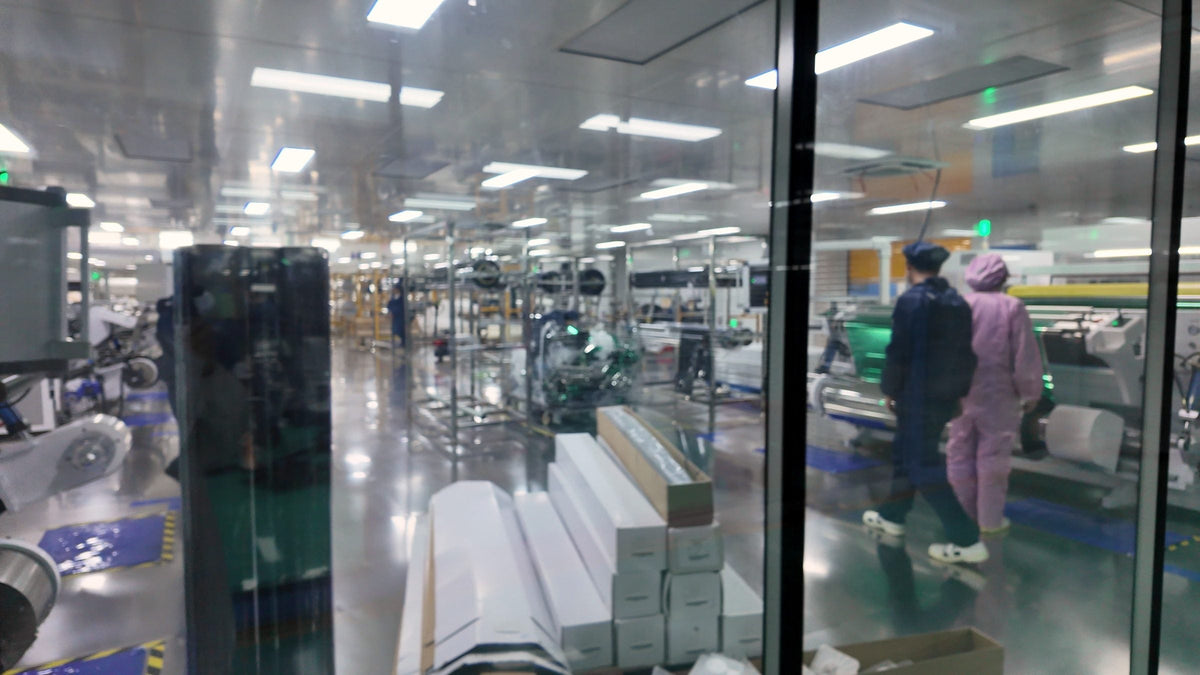
HIGHCOOL makes PPF in its own factory in Shanghai and sells it by the roll to shops and distributors in more than 60 countries. Our gloss PPF comes in W, V, E and L series, mostly in 7.5 mil and 8.5 mil, and every roll has its own code for warranty tracing. The US warehouse stocks 13 PPF SKUs and we accept one-roll orders, so you can calibrate on one roll before you commit to more. If you want to run our film through your plotter before you order, see the Paint Protection Film (PPF) range or ask us for a quote and an A4 sample; the sample is free and you cover shipping. More about the factory is on the HIGHCOOL home page.
FAQ
Why does a pre-cut PPF kit fit badly when the pattern is correct?
Usually because the film behaves differently from the one the pattern was drawn for. Films stretch and relax by different amounts, so a pattern that fits one brand can come out short or tight with another.
How do you calibrate a plotter for a new PPF film?
Cut a square of known size, install it on a flat panel, and measure it after it settles. If the size has changed, adjust the software's scale factor for that film and test again on a small kit.
Can you extend pattern edges to wrap PPF around panels?
Yes, if your software supports edge extensions and the film holds its shape after heating. Test wrapped edges on a few cars first, because film that pulls back will lift along the tucked edge.

Share:
2026 California Window Tinting Cost Guide: Performance vs. Price
Bulk PPF Rolls vs Pre-Cut Kits: Costs and Shop Workflow