
PPF is a 6 to 8 mil physical film that blocks rock chips and self-heals minor scratches. Ceramic coating is a 2 to 5 micron liquid SiO2 layer that adds gloss, hydrophobic water beading, and chemical resistance but offers zero impact protection. The real difference is physical defense versus chemical defense.
This guide breaks down the material differences, cost comparison by vehicle including the Porsche 911, lifespan side-by-side, whether you can stack both products, and the buyer decision framework for picking one over the other.
What PPF and Ceramic Coating Actually Are
PPF is thermoplastic polyurethane (TPU) film 6 to 8 mil thick (152 to 203 microns) bonded to paint with pressure-sensitive adhesive. Ceramic coating is a liquid SiO2 or SiC-based product that cures to 2 to 5 microns after 24 to 48 hours.
- PPF (TPU film): Solid material applied in panel sections. Self-heals under 120F heat. Removable in clean sheets up to year 8.
- Ceramic coating (liquid layer): Cures chemically into a glass-like surface. Bonds at the molecular level to the clear coat. Cannot be removed without polishing.
If you want the deeper material breakdown, see our paint protection film basics write-up, or go straight to our TPU PPF range. The 30-second version: PPF is a shield, ceramic is a sealant. They solve different problems.
Side-by-Side Comparison
Across the dimensions buyers actually decide on, PPF wins on physical protection and lifespan while ceramic coating wins on gloss enhancement, hydrophobic behavior, and chemical resistance per dollar.
| Feature | PPF | Ceramic Coating |
|---|---|---|
| What it is | 6 to 8 mil TPU film | SiO2-based liquid coating |
| Thickness | 6 to 8 mil (152 to 203 microns) | 2 to 5 microns |
| Rock chip protection | Excellent | None |
| Self-healing | Yes (above 120F) | No |
| Hydrophobic gloss | Moderate | Excellent (110 degree+ contact angle) |
| UV block | 99% | 85 to 90% |
| Chemical resistance | High | Very high |
| Lifespan | 7 to 10 years | 2 to 5 years |
| Removable | Yes (clean) | No (must polish) |
| Warranty | Up to 10 years | 2 to 5 years |
| Cost (full body) | $5,500 to $10,000 | $1,500 to $3,000 |
The 110 degree water contact angle is the metric ceramic shops use to claim hydrophobic performance. New ceramic typically hits 115. By year 3 that figure drops to around 95. PPF with proper maintenance still beads water above 90 degrees even at year 5.
Cost Comparison by Vehicle
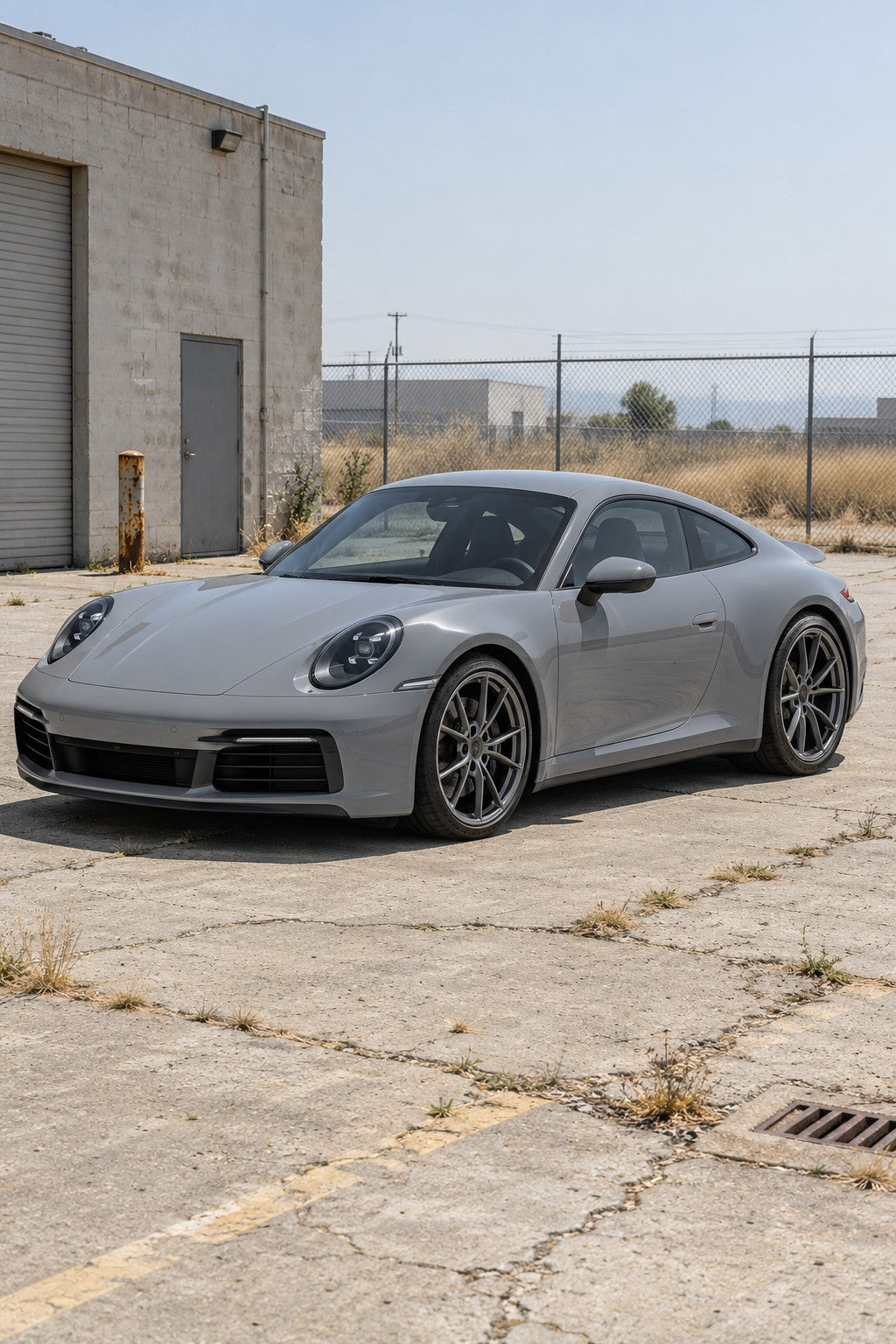
For a Porsche 911 partial front install, PPF runs $2,500 to $3,500 versus ceramic coating at $1,500 to $2,500. Full body coverage flips the gap: PPF at $7,500 to $10,000 versus ceramic at $1,500 to $3,000. Ceramic almost always applies to the full body since a liquid layer has no clean boundaries.
The price gap narrows as you scope down PPF coverage. If you're choosing between partial PPF vs full front coverage, partial PPF plus full-body ceramic together runs $4,000 to $6,500, often the sweet spot for high-end coupes. The wholesale side of that math is in the 2026 PPF price guide.
Lifespan and Warranty Reality
Premium TPU PPF lasts 7 to 10 years with manufacturer warranties up to 10 years. Premium ceramic coatings last 2 to 5 years with warranties typically 2 to 5 years.
- PPF lifespan drivers: UV exposure, climate, and install quality. Hot climates like Arizona and Texas cut lifespan by 2 to 3 years. Moderate climates can stretch to 12 years.
- Ceramic lifespan drivers: Wash chemistry, decontamination frequency, and layer count. Single-layer ceramic at $1,500 lasts 2 years. Professional multi-layer at $2,500 lasts 4 to 5 years.
Both products fail at the edges first. PPF edges lift from mechanical stress. Ceramic edges break down chemically from harsh soaps. Maintenance habits matter more than the year-claim on the bottle. What actually causes the lift is covered in PPF edge lift causes.
Can You Stack PPF and Ceramic Coating?
Yes. Stacking PPF underneath ceramic coating is standard practice on high-end installs, adding hydrophobic gloss to PPF's impact protection. Total cost lands between $4,000 and $10,500 depending on coverage. PPF goes on first, then ceramic on top of the PPF and any uncovered paint, and the ceramic has to wait 7 days after the PPF cures.
The gain is easier washing thanks to the hydrophobic surface, slower PPF yellowing because ceramic blocks some UV before it reaches the film, and a better year-5 appearance overall. Stacking only makes sense if you're keeping the car 5 or more years. For 2-year owners, just pick one.
Installation Time and Cure Schedule
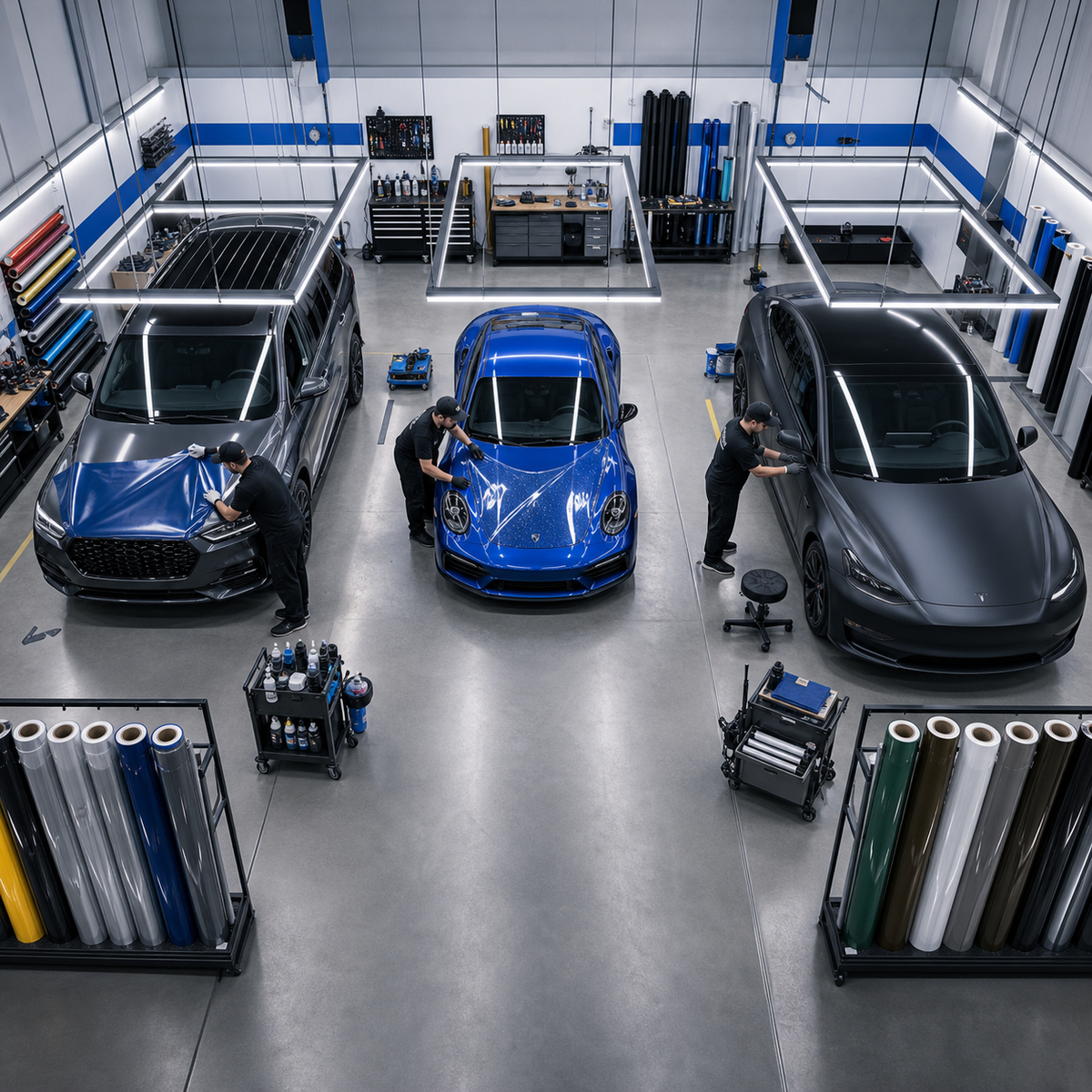
PPF takes 8 to 24 hours of install time plus 7 days to cure before the first wash. Ceramic coating takes 4 to 8 hours of install plus 24 to 48 hours of indoor cure before water contact. On a Porsche 911, partial front PPF is 8 to 10 hours, full front is 12 to 14 hours, and full body runs 3 to 4 days.
If you stack both products, plan for 4 to 6 total shop days. The shop usually keeps the car the full time.
Porsche 911 Decision Framework
Porsche 911 owners typically face three scenarios. A high-mileage daily at 15,000 miles a year or more wants full front PPF plus full body ceramic at $5,500 to $6,500. A weekend cruiser under 5,000 miles a year is fine with ceramic only, multi-layer, at about $2,500. A track or club car wants the track-pack PPF (full front, rocker panels, door cups) plus ceramic on top at $6,500 to $8,500.
The wrong choice for a 911 is half-measures. A $1,200 single-layer ceramic on a car driven 12,000 miles a year leaves the front end exposed to chip damage. Match the spec to the actual driving pattern.
When to Choose Just One
Choose PPF only when impact protection matters more than gloss, which is most daily drivers in chip-heavy regions. The hydrophobic finish from new TPU is good enough for the first 3 years. Choose ceramic alone when the car lives garaged and chip risk is near zero, or when it's being resold within 2 years.
The biggest regret pattern is spending $5,000 on full-body ceramic when the car needed PPF on the front. Ceramic protected the paint chemically while rocks chipped it physically. Wrong product, right intent.
FAQ
Is ceramic coating better than PPF?
Neither is better in absolute terms because they solve different problems. PPF beats ceramic at rock chip protection and lasts 2 to 3 times longer. Ceramic beats PPF at hydrophobic gloss, ease of washing, and chemical stain resistance per dollar. Most premium owners run both.
Can you apply ceramic coating over PPF?
Yes. Apply PPF first, wait 7 days for full cure, then apply ceramic on top of the PPF surface and any uncovered paint. Ceramic bonds to TPU film as well as it bonds to clear coat. Stacking is standard practice on high-end installs.
Which lasts longer, PPF or ceramic coating?
PPF lasts 7 to 10 years, ceramic coating 2 to 5 years. Ceramic compensates with lower upfront cost, so the cost-per-year math is closer than the raw years suggest. Hot climates shorten both.
Sourcing TPU film for a shop or a project? Ask for a free sample and a factory-direct quote.

Share:
Does PPF Yellow in Arizona Heat? A Guide for Hot-Climate Shops
PPF Wholesale Supplier: How to Source TPU Film for Your Shop