
Paint protection film (PPF) is a clear, self-healing polyurethane layer applied over a car's paint to absorb rock chips, scratches, and chemical stains before they reach the factory finish. A premium TPU PPF install on a Tesla Model Y costs $5,000 to $7,500 and lasts 7 to 10 years.
This guide covers what PPF is made of, what it costs by vehicle size, how it stacks up against ceramic coating, how long it lasts, and what real installation and aftercare look like. We also cover the mistakes that leave buyers regretting the spend.
Material Differences: TPU vs PVC vs Urethane
Premium PPF is made of thermoplastic polyurethane (TPU), a 6 to 8 mil thick self-healing material rated for 7 to 10 years of UV exposure. TPU self-heals minor swirl marks under heat above 120F and holds optical clarity past year 5, which is why it sits on most high-end installs. Budget PVC film runs 4 to 6 mil, does not self-heal, and yellows in 2 to 3 years under direct UV. It is cheaper by 40 to 50 percent up front and worse in every other way.
PVC and basic urethane still exist mostly in pre-cut kits sold online for $200 to $400. Skip them. Our own TPU PPF range is built on Lubrizol, BASF, and Covestro base resins with a self-healing topcoat.
Initial Investment by Vehicle Size
A full TPU PPF install costs around $3,500 on a compact sedan, $5,500 on a midsize SUV like a Tesla Model Y, and $8,000 or more on a full-size truck or luxury coupe. Partial front coverage (hood, fenders, bumper, mirrors) runs $1,500 to $2,500 and covers the rock-chip zone only. Full front adds the a-pillars and roof leading edge at $2,500 to $3,500. A track package adds rocker panels and door cups at $3,500 to $5,000. Full body runs $5,500 to $8,500.
If you're stuck choosing between partial vs full front PPF, the answer depends on parking habits and highway miles. Daily commuters past 15,000 miles a year usually justify the upgrade. For the wholesale side of the same math, see what PPF costs by the roll.
PPF vs Ceramic Coating vs Traditional Wax
PPF is the only treatment that physically blocks rock chips. Ceramic coating adds hydrophobic gloss and chemical resistance but offers near-zero impact protection.
| Protection | PPF | Ceramic Coating | Wax |
|---|---|---|---|
| Rock chip resistance | Excellent (6 to 8 mil) | None | None |
| Chemical stain (bird droppings) | High | High | Low |
| UV protection | 99% block | 90% block | 60% block |
| Lifespan | 7 to 10 years | 2 to 5 years | 3 to 6 months |
| Cost (midsize SUV) | $3,500 to $8,500 | $800 to $2,000 | $80 to $200 |
Most buyers asking PPF vs ceramic coating end up doing both. PPF goes on first to physically protect. Ceramic goes on top for easier washing. Wax is fine for a garage queen seeing 2,000 miles a year, not much else.
Expected Lifespan
Premium TPU PPF lasts 7 to 10 years on a daily driver, and some films stretch to 12 in mild climates. In hot climates like Arizona, Texas, and Florida, lifespan drops to 5 to 7 years from UV stress. We tested exactly that case in the Arizona heat test.
Warranty terms matter more than the headline number. Coverage usually excludes physical damage and edge lift from poor installation. If you're wondering is PPF worth it past the 5-year mark, the answer comes down to climate, mileage, and install quality. Films installed by certified shops outperform DIY kits by 2 to 3 years on average.
Installation Time and Coverage Options
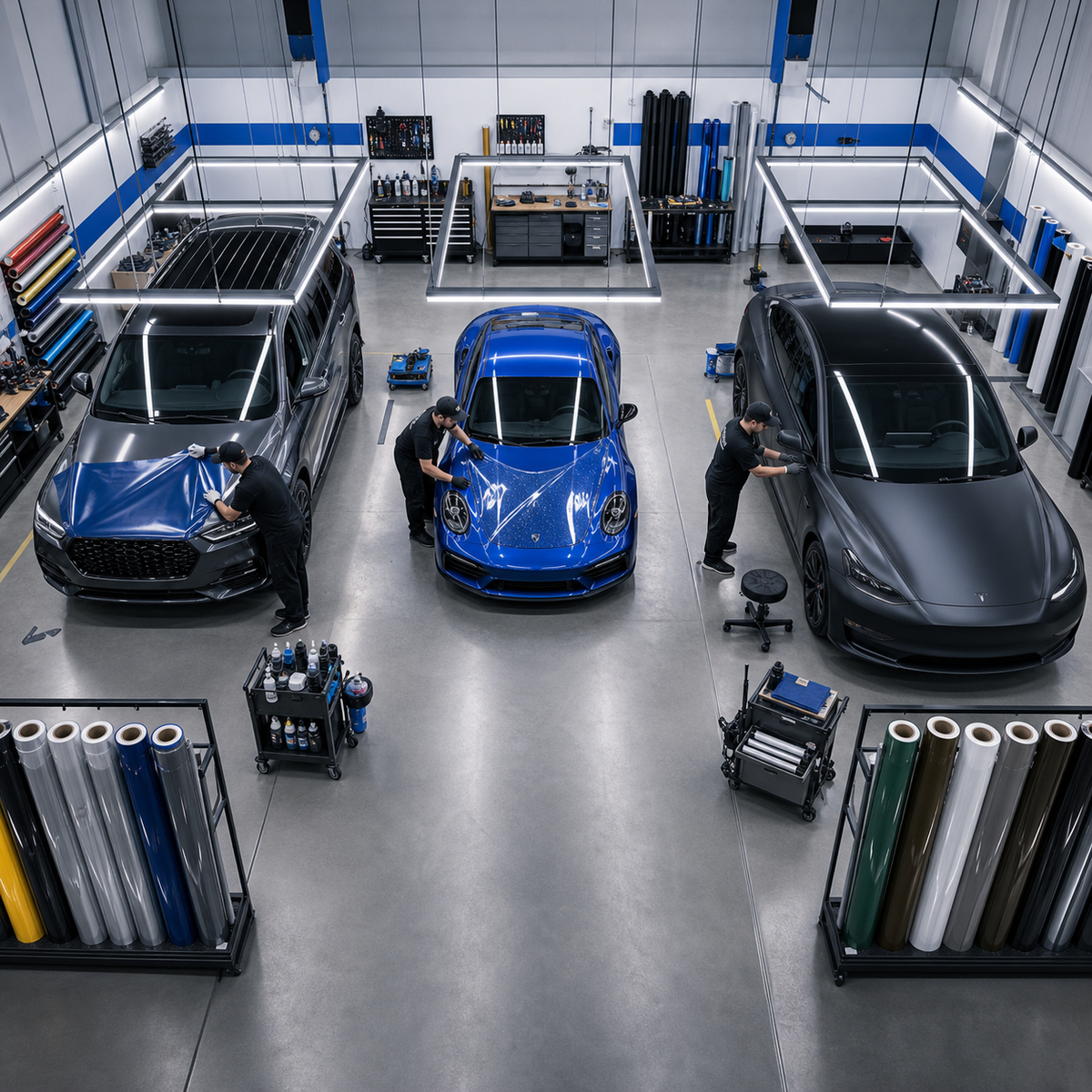
A full front PPF install takes 8 to 12 hours for a Tesla Model Y, while a full-body wrap runs 3 to 5 days depending on shop staffing and panel complexity. Partial front is 4 to 6 hours with a single technician. A track pack is 1.5 to 2 days. Full body is 3 to 5 days with two technicians typical.
Pre-cut kits from the manufacturer cut install time by 20 to 30 percent but lose 10 to 15 percent coverage at the edges. Shops that bulk-install on the same model develop pattern shortcuts that save another 1 to 2 hours per car.
Aftercare and Cleaning
PPF needs 7 days to fully cure before the first wash and should never be pressure-washed within 6 inches of an edge for the first 30 days. For the first week, no washing and no car cover. For the first month, hand wash only with pH-neutral soap and skip automatic car washes. After that, wash every 2 weeks with a microfiber mitt and avoid scrubbing edges.
Most edge lift complaints come from owners running their car through tunnel washes in the first month. The high-pressure jets catch the unsealed edge before the adhesive fully bonds. The mechanics behind that failure are in why PPF lifts at the edges.
Common Buyer Mistakes
Three buyer mistakes account for most PPF regret: choosing PVC over TPU, picking a shop on price alone, and skipping the 30-day inspection. Those $400 kits sold online are almost always PVC, and they yellow by year 2 and pull paint when peeled off. The cheapest shop leaves edge lift, dirt under the film, and visible seams that cost twice as much to fix later. Most shops fix minor imperfections free within the first 30 days, and after that it is out of pocket.
Before booking, get the film brand, batch number, and warranty terms in writing. If the shop won't list the manufacturer, walk away. There's a reason.
Who Should Skip PPF
PPF makes financial sense for cars driven 10,000 miles a year or more, parked outdoors, or planned for 5 or more years of ownership. Below those thresholds the math gets shaky. A garage queen under 3,000 miles a year is covered by a ceramic coating. A 3-year lease rarely gets flagged for what PPF would have prevented. A car being resold within 18 months recovers 30 to 50 percent of the spend at most.
FAQ
Does PPF hide existing scratches?
No. PPF is optically clear and shows whatever is underneath. Light swirl marks under 2 microns may blend visually once the film is laid down, but anything deeper stays visible. Most shops add paint correction at $400 to $800 before applying PPF.
How thick is PPF in mil?
Standard TPU PPF measures 6 to 8 mil thick, about 152 to 203 microns. Premium impact-rated versions go up to 10 mil. Anything under 6 mil is usually a budget PVC or hybrid film that won't self-heal properly.
Can PPF be removed without damaging paint?
Yes, when removed by a trained installer within the warranty period. Heat around 120F softens the TPU adhesive and the film peels off in sheets. Film that has aged past 8 years or sat in direct UV without maintenance can pull factory clear coat.
Does PPF cover the whole car?
Not by default. Most installs cover only impact-prone zones: front bumper, hood, fenders, mirrors, and the front portion of the roof. Full-body PPF exists but costs $5,500 to $8,500 on a midsize SUV.
Is PPF the same as a clear bra?
Yes. Clear bra is the older U.S. slang for paint protection film, dating to the 1990s when it was sold for the front hood-and-fender area. Most shops now say PPF because modern films cover far more than that original front section.
How does PPF compare to a vinyl wrap?
PPF protects, vinyl decorates. PPF is 6 to 8 mil TPU with self-healing and a 7 to 10 year lifespan. Vinyl wrap is 3 to 4 mil cast film meant for color change, lasting 5 to 7 years. They can stack, with vinyl over PPF.
Sourcing TPU PPF for a shop or a project? Ask for a free sample and a factory-direct quote.

Share:
Does PPF Yellow in Arizona Heat? A Guide for Hot-Climate Shops
PPF Wholesale Supplier: How to Source TPU Film for Your Shop