
Ceramic window tint keeps a Tesla Model 3 cooler by blocking much of the infrared heat that comes through its large windshield, side glass and glass roof, while keeping the glass clear enough to see through and stay legal. It does not add range on its own. A cooler cabin means the air conditioning runs less hard, and on a hot day that load comes out of the battery.
How to reduce heat, improve comfort, and drive farther
Start with where the heat comes in, pick a ceramic film, choose a legal shade for each window, and have it installed by a shop that knows Tesla glass.
Why the Tesla Model 3 heats up so quickly
The Model 3 has a lot of glass for its size: a long, steep windshield, frameless side windows and a glass roof that runs over both rows. The infrared part of that sunlight is what you feel as heat. Tesla's factory glass already filters some UV, but infrared still gets through and warms the seats, the dash and the steering wheel. Park one in a sunny lot in Phoenix in July and the black seats are too hot to touch.
How ceramic window tint helps the Model 3
Ceramic tint uses non-metal ceramic particles that reject infrared heat without needing a dark shade. Dyed film mostly darkens the glass and absorbs heat, so the glass itself gets warm. Because ceramic film has no metal layer, it does not interfere with phone, GPS or key-card signals, which matters on a car you unlock with your phone.
Best areas to tint on a Model 3
Panoramic roof
The glass roof is the largest single heat source over the occupants' heads. Ceramic film there cuts the heat you feel on your head and shoulders.
Windshield (legal options only)
Most states limit windshield tint to a strip across the top. California, for example, allows non-reflective tint only on the top 4 inches.
Front side windows
These sit closest to the driver and are the most tightly regulated. California requires the front side windows to let at least 70 percent of light through with film installed, which rules out most visible tint shades. There, a near-clear ceramic film still cuts heat.
Rear glass
The rear window and rear side windows keep sun off the back seat and the trunk. Many states allow darker film here, and California sets no darkness limit for the rear as long as the car has two outside mirrors.
Choosing the right VLT for Model 3 owners
VLT is the percentage of visible light that passes through the glass and film together. Within one ceramic line, darker shades usually reject a little more heat, but a light ceramic film can still beat a dark dyed one. Pick the shade for legality and night visibility, and the film type for heat. A common setup is the lightest legal ceramic on the front sides and windshield strip, with a darker ceramic on the rear glass where the law allows.
Ceramic vs dyed tint on a Model 3
Dyed tint is cheaper and can look just as dark, but it absorbs heat into the glass and tends to fade toward purple over the years. Ceramic film costs more and keeps its color, and it rejects more infrared at the same shade.
Installation quality matters more on Teslas
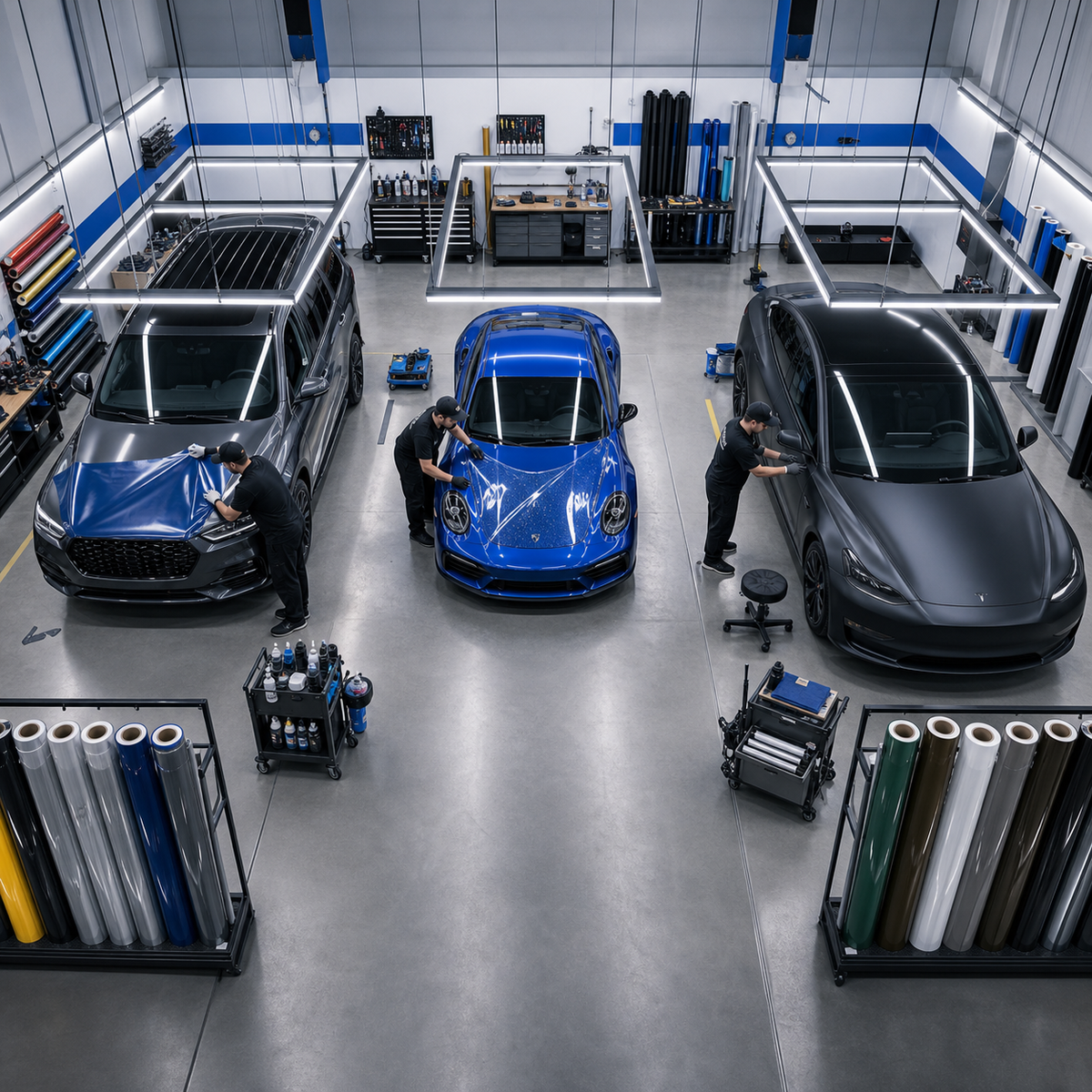
Model 3 glass is large and curved, especially the rear window and the roof. A rushed install shows up as haze, edge lift or bubbles. Frameless windows also leave the top edge exposed, so the film has to be trimmed cleanly there.
Manufacturing consistency: why film quality counts
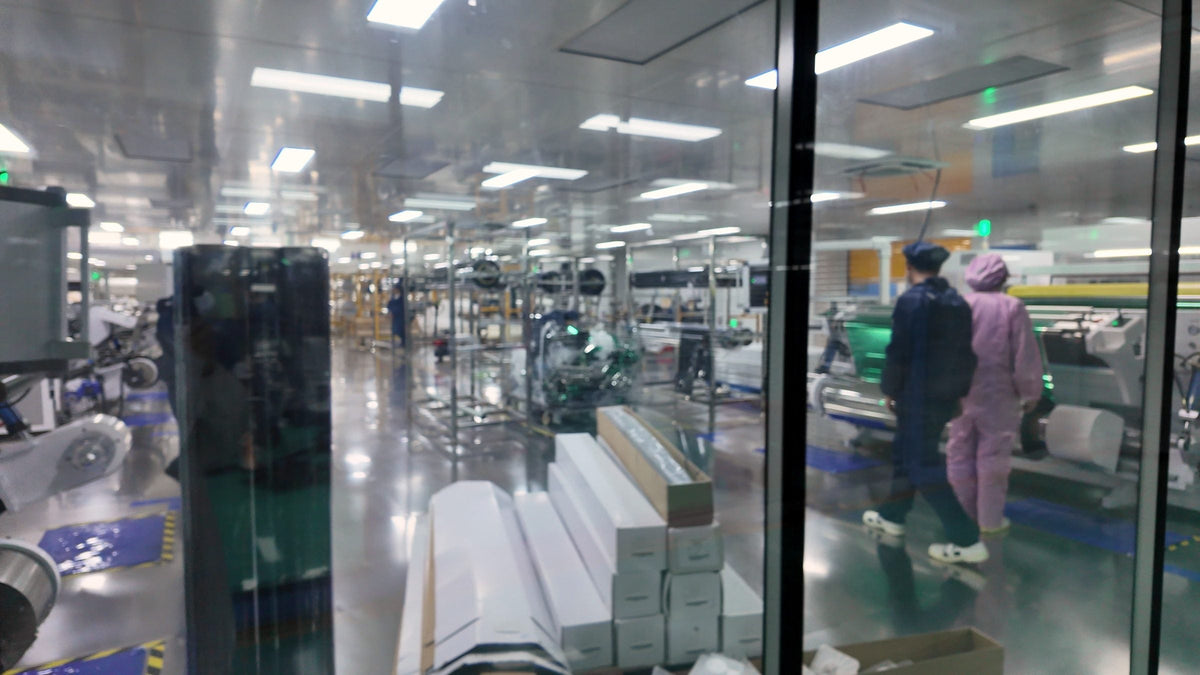
For a shop, the risk is batch-to-batch variation, a roll that looks different from the last one on the same car. HIGHCOOL makes Window Film in its own factory in Shanghai under ISO 9001, and installers can request free A4 samples, sent from US sample stock with the buyer paying shipping, to check clarity and heat feel before they stock a line.
Final thoughts for Model 3 owners
For a Model 3, ceramic tint is one of the more practical upgrades: a cooler cabin, less glare and less A/C load, as long as the shades are legal where you drive. Shops that tint Teslas regularly can see our ceramic and other lines on the Window Film page or ask for samples and a quote through our contact page.
FAQ
Does ceramic tint increase Tesla Model 3 range?
Not directly. It lowers the heat load in the cabin, so the A/C uses less energy on hot days. Any range effect is small and depends on climate and how you drive.
What tint percentage is legal on a Model 3 in California?
The front side windows must let at least 70 percent of light through with film installed, and only the top 4 inches of the windshield may be tinted. The rear windows have no darkness limit if the car has two outside mirrors. Check the current vehicle code before you install.
Should I tint the Model 3 glass roof?
Yes, if heat is the main complaint. The roof is the largest glass area over the occupants, and a ceramic film there cuts the heat you feel overhead.

Share:
Tesla Model Y Ceramic Window Tint Guide
Ceramic Window Tint for EVs and Teslas: Range and Comfort