
Ceramic window tint is the usual choice for a Tesla Model Y because it cuts infrared heat without metal layers, so it keeps the cabin cooler and does not interfere with phone, GPS or key signals. The Model Y needs it more than most cars: the cabin is tall, the glass roof runs almost the full length of the car, and the rear hatch glass is large.
Why the Model Y gets hot
Most of the heat comes in through the roof and the rear glass, so the back seat and cargo area warm up first. That is where children and pets ride, and on an EV the extra air conditioning comes out of the battery.
What ceramic tint does on a Model Y
Ceramic film blocks infrared heat with nonmetal particles, so it does not need to be dark to work. Seats and the dash stay cooler to the touch, glare drops on long drives, and rear passengers notice it most.
Priority tint areas on a Model Y
Roof glass
The roof is the largest heat source, and many owners feel it on their heads in summer even with the factory glass.
Rear side and back glass
A darker ceramic here, where local law allows it, cuts heat and glare for rear passengers and hides the cargo.
Front side glass
Front windows are where tint laws are strictest. A light ceramic film still rejects heat while keeping the glass legal and easy to see through at night.
VLT strategy for a Model Y
A common setup is a light ceramic on the front windows and a darker ceramic on the rear glass where legal. VLT limits differ by state and country, so check the local rule for each window before you quote the job.
Ceramic compared with dyed and metalized film
Metalized films can interfere with signals, which matters on a car that relies on phone keys and constant connectivity. Dyed films are cheaper but fade toward purple and reject less heat. Ceramic film costs more per roll and holds its color and heat rejection for years, which is what a Model Y owner expects to pay for.
Film consistency and callbacks
For a tint shop, a bad roll means a redo. Haze, adhesive failure or a shade difference between two rolls on the same car means stripping glass on your own time, so test a sample on real glass before you stock a new film.
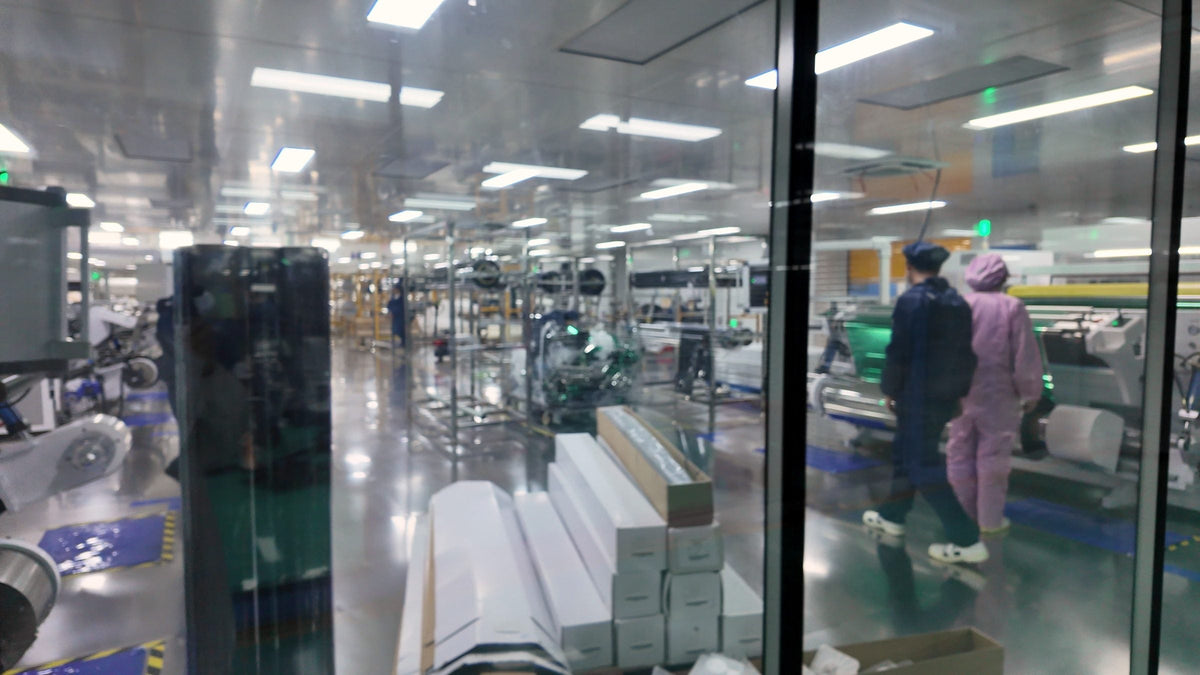
HIGHCOOL is a Shanghai factory that supplies Window Film by the roll to tint shops and distributors, in 60 in x 98 ft (1.52 m x 30 m) rolls shipped from China. Our ceramic films for a Model Y job:
| Series | Type | Thickness | VLT options (nominal) | Warranty |
|---|---|---|---|---|
| WV | Nano ceramic | 1.88 mil | 8%, 20%, 30%, 70% | 7 years |
| WU | Nano ceramic, UV400 | 2 mil (WU70: 1.88 mil) | 4%, 16%, 30%, 70% | 7 years |
Neither has a metal layer, so phone keys and GPS work as normal. WV70 or WU70 suits front doors where the law allows about 70% film, and WV20, WU15 or WU05 fit the rear glass where darker shade is legal. As a nominal lab value, WV70 rejects 43% of total solar energy and WU05 rejects 65%; your car and glass will read differently. The VLT figures are for the film alone, so meter the finished window. If you tint Model Ys, request free A4 window film samples (you pay shipping) through our contact page and run them on a car before you order rolls.
FAQ
Is ceramic tint worth it on a Tesla Model Y?
Yes, for most owners, because the Model Y has a large glass roof and rear glass that let in a lot of heat. Ceramic film cuts infrared heat without metal, so it does not affect phone or GPS signals. Rear passengers feel the biggest difference.
Should you tint the Model Y glass roof?
Many owners do, because the roof is the largest heat source in the cabin. A ceramic film on the roof reduces the heat you feel on your head in summer. Use a film rated for automotive glass and an installer who has done Tesla roofs before.
What tint percentage is legal on a Model Y?
It depends on where the car is registered, because VLT limits are set by each state or country. Front side windows usually have the strictest limit. Check your local rule for each window before choosing a shade.

Share:
Glass Roof Heat Control for EVs: A Guide for Tint Shops
Tesla Model 3 Ceramic Window Tint Guide