
The main types of car window tint are dyed, metalized, hybrid, carbon and ceramic film, plus clear or near-clear heat-rejecting film for windshields. They differ in how they block heat, how long they keep their color, and whether they interfere with electronics. Darkness is a separate choice. Two cars with the same 35% shade can feel very different in the sun if one has dyed film and the other has ceramic.
For a tint shop, knowing these differences is how you sell the right film to each customer and avoid the callback a year later when the cheap one fades.
Dyed window tint: the most basic type
Dyed film absorbs light with dye layered into the polyester. It darkens the glass and cuts glare at the lowest price. Its heat rejection is limited, because the dye does little against infrared, and over years of sun the dye fades and can turn purple. It suits a customer who wants the look on a budget, in a mild climate or on a car they will not keep long. It is the film behind most "my tint went purple" complaints.
Metalized window tint: reflective, with trade-offs
Metalized film uses a thin metal layer to reflect heat. It rejects more heat than dyed film and is very durable. The metal can interfere with GPS, phone signal, radio and tire pressure sensors, and the finish is shinier than many drivers like. On modern cars full of antennas and sensors, that has made it a harder sell.
Hybrid window tint: dye plus a little metal
Hybrid film combines a dyed layer with a lighter metal layer. The result rejects more heat than dyed film with less shine and less signal trouble than full metalized film. It is a mid-price compromise that still falls short of ceramic on clarity and heat rejection.
Carbon window tint: better performance with no reflection
Carbon film uses carbon particles in place of dye or metal. It blocks more infrared than dyed film, has a matte, non-reflective look, causes no signal interference, and holds its color much better over time. For many shops it is the standard mid-range line: a clear step up from dyed film without ceramic pricing. Our post on carbon vs ceramic window tint compares the two side by side.
Ceramic window tint: the top of the range
Ceramic film uses nano-ceramic particles that block infrared and UV without needing to be dark or reflective. A light ceramic shade can reject more heat than a dark dyed one, it does not interfere with electronics, and it stays clear and color-stable for years. It costs more. Customers in hot, sunny climates, and anyone keeping the car a long time, usually find it worth the difference. For how the heat rejection works, see how window tint keeps a car cooler.
Clear and crystalline tint: protection without darkness
Some drivers want heat and UV protection without darker glass. Clear or near-clear films, often ceramic or multilayer, are built for that. They are the usual choice for windshields, where the legal limits are strict and visibility comes first. Despite looking almost like bare glass, they can block a large share of infrared and nearly all UV.
Comparing different types of window tint
| Type | Heat rejection | Signal interference | Color stability | Price |
|---|---|---|---|---|
| Dyed | Low | None | Fades, can turn purple | Lowest |
| Metalized | Moderate to high | Possible | Good | Mid |
| Hybrid | Moderate | Reduced | Fair to good | Mid |
| Carbon | Moderate | None | Good | Mid |
| Ceramic | High, even in light shades | None | Very good | Highest |
| Clear / crystalline | Moderate to high for the shade | None | Very good | High |
These are general rankings. Real performance varies by brand and shade, so compare total solar energy rejected (TSER) on each maker's spec sheet at the shade you plan to sell.
How to choose the right tint for car windows
Start with the climate. In a hot, sunny region the heat rejection of carbon or ceramic is worth paying for. Then think about how the car is used. Long highway drives make glare and heat more noticeable, and a car the owner plans to keep for many years should get a film that will not fade. Budget decides the rest. Dyed film is cheapest on the day, but a redo after it fades costs more than buying carbon in the first place.
Types of window tinting for windshields vs side windows
Windshields need high visibility and optical clarity, so they get light or clear film, usually ceramic. Side and rear windows allow more freedom in both shade and film type. A common pairing is a light ceramic on the windshield and a darker carbon or ceramic on the sides and back.
Are all tint types legal everywhere?
Laws limit darkness (VLT) by window position, and many states also limit how reflective a film can be, which affects metalized films most. The film type itself is rarely banned. Because ceramic and clear films reject heat well at light shades, they are the usual way to give a customer real heat relief while staying inside a strict front-window limit. Check your state or country's current rules before you set your standard shades.
Long-term performance by tint type
The difference between film types shows up over years. Lower-grade films fade, bubble, turn purple or lose their heat rejection. Better films keep their shade, clarity and performance. Much of that comes down to the dye or particle quality, the adhesive and how evenly the layers are coated at the factory.
Which of these types HIGHCOOL makes
We make two of the six: dyed and nano ceramic. We do not make carbon or metalized film. WA is our dyed series, 1.5 mil, in 6%, 18%, 39% and 73% nominal VLT, with a 5-year warranty. WV is nano ceramic at 1.88 mil in 8%, 20%, 30% and 70%. WU is nano ceramic with UV400, 2 mil (1.88 mil for WU70), in 4%, 16%, 30% and 70%. Both ceramic series carry a 7-year warranty. For windshields there is KU70, a 4 mil nano ceramic UV400 film at a nominal 70% VLT, also with 7 years.
On heat, the spread inside one family is wide. Our nominal lab TSER for WV70 is 43%, and for the dark WU05 it is 65%. Use numbers like these to compare shades on paper, then meter and test on your own glass.
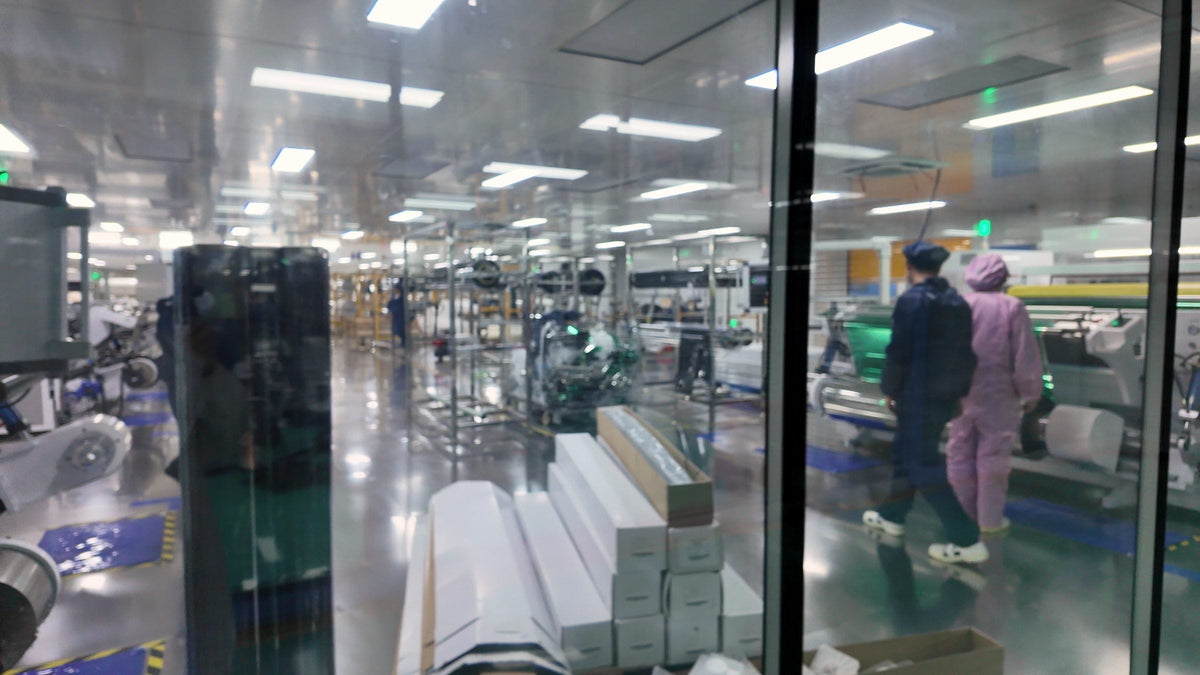
HIGHCOOL makes Window Film in our own Shanghai factory and sells it by the roll to tint shops and distributors in more than 60 countries. If you are deciding which lines to stock, ask for free A4 samples (you pay shipping) and compare them with your current film, or browse the Window Film range and request a quote.
FAQ
What are the different types of window tint?
The common types are dyed, metalized, hybrid, carbon and ceramic film, plus clear or crystalline heat-rejecting film. They differ in heat rejection, signal interference, color stability and price. Shade (VLT) is chosen separately from the film type.
Which type of window tint blocks the most heat?
Ceramic film usually blocks the most heat for a given shade. Its nano-ceramic particles absorb infrared without needing to be dark or metallic. Compare TSER on the spec sheet to check a specific product.
Does darker tint mean better heat rejection?
No. Darkness only controls how much visible light gets through, while most solar heat arrives as infrared. A light ceramic film can reject more heat than a dark dyed film.

Share:
Car Scratches Explained: A Guide for Detail and PPF Shops
Car Wrap Material Explained: What Wrap Shops Should Know