
Car wrap material is almost always vinyl: a PVC film with plasticizers, pigment and a surface coating on top, and a pressure-sensitive adhesive underneath. What separates one wrap film from another is how that PVC is made (cast or calendered), the adhesive, and how consistent the color and finish are from roll to roll.
For a wrap shop, those three things decide how a film behaves on a mirror cap, how it comes off in three years, and whether a reorder matches the car you wrapped last month.
What a vehicle wrap is
A vehicle wrap is a thin, flexible film applied over painted panels to change the color, finish or graphics. It covers the paint instead of replacing it, so it can be removed later. When the paint underneath is healthy factory paint and the removal is done with heat and patience, the paint comes out as it went in.
Shops use wrap film for full color changes, partial accents such as roofs and mirrors, fleet branding, and protecting leased cars from light wear. A wrap is not a rock chip shield. For impact protection, the material is paint protection film, covered further down.
What car wrap material is made of
The base is polyvinyl chloride (PVC). Plasticizers make it flexible, pigments and metallic flakes give the color, and a top layer sets the finish and adds UV resistance. Under the film sits the adhesive, usually with air-release channels so trapped air can be pushed out with a squeegee instead of popped with a pin. A paper or film liner protects the adhesive until install.
Cast vs calendered vinyl wrap material
Cast vinyl is made by pouring liquid PVC onto a casting sheet and curing it, so the film starts life relaxed. It is usually thinner, conforms to deep recesses with less heat, and has little memory pulling it back to its original shape.
Calendered vinyl is made by pressing and rolling heated PVC through rollers into a sheet. The process builds some tension into the film, so it tends to be thicker and wants to return toward its original shape when it is stretched hard. On flat and gently curved panels it lays down well. On deep bumper recesses and complex mirror caps, it needs more care.
HIGHCOOL Vinyl Wrap is calendered PVC. We do not sell it as cast film, and installers should handle it as calendered: heat it to shape, avoid overstretching into deep recesses, use relief cuts or inlays where a panel is very deep, and post-heat stretched areas and edges so the film sets. Done that way, it is a practical film for color-change work at a lower material cost than cast.
| Point | Cast vinyl | Calendered vinyl |
|---|---|---|
| How it is made | Liquid PVC cast onto a sheet and cured | Heated PVC pressed through rollers |
| Film memory | Low | Higher, so stretched areas need post-heating |
| Deep recesses | Easier to conform | Use relief cuts or inlays on very deep areas |
| Material cost | Higher | Lower |
Finishes in automotive vinyl wrap material
The same PVC base is sold in gloss, matte, satin, metallic, chrome, satin chrome and textured finishes such as carbon fiber. The finish changes how the film looks and how it is cared for. Gloss hides little: dust under the film shows. Matte shows fingerprints, so give customers a spray bottle of 50/50 water and isopropyl alcohol with a microfiber cloth. Satin chrome and chrome scratch easily, so tell owners to avoid abrasive cleaners and automatic brushes.
HIGHCOOL Vinyl Wrap comes in 300+ colors, often with several shades inside one color family. Order a color chart to see them under real light before you commit a customer to a shade. It costs $30, with shipping not included.
How much vinyl wrap material a car needs
These are rough starting figures for a full color change with 60 in (1.52 m) wide film. Add margin for mistakes and for matching grain or flake direction on metallic films.
| Vehicle | Approximate length |
|---|---|
| Micro car | 33 ft |
| Hatchback or convertible | 43 ft |
| Coupe | 48 ft |
| Sedan or small van | 59 ft |
| Small SUV | 66 ft |
| Pickup or MPV | 75 ft |
| Large van | 82 ft |
A HIGHCOOL Vinyl Wrap roll is 17 m, about 56 ft. So a typical sedan can run slightly past one roll, and an SUV needs more than one. Order those jobs from the same batch so the second roll matches the first.
How long vinyl wrap material lasts
Life depends on the film grade, how much of it was stretched, sun exposure and how the car is washed. Horizontal panels such as the hood and roof take the most sun and age first. Hand washing, no abrasive cleaners and parking out of direct sun extend the life of any wrap. HIGHCOOL Vinyl Wrap carries a 2-year warranty, and every roll has its own serial code, so a warranty claim can be traced to that roll.
Wrap vs paint, and where PPF fits
Paint is permanent. A wrap is reversible, which is why lease customers and business fleets choose it. Wrap film protects against light wear and UV, but it does not stop stone chips. For that, owners use paint protection film (PPF), a clear TPU film with a self-healing topcoat. Some shops put PPF over the front of a wrapped car to protect both. The self-healing topcoat is a PPF feature; vinyl wrap does not have it.
What to check before you choose a wrap film
Ask your supplier whether the film is cast or calendered, what adhesive it uses and whether it has air-release channels. Ask how they keep color consistent between batches, what the warranty covers and how a claim is traced. Then wrap a test panel with a deep recess and leave it in the sun for a few weeks. That tells you more than any spec sheet.
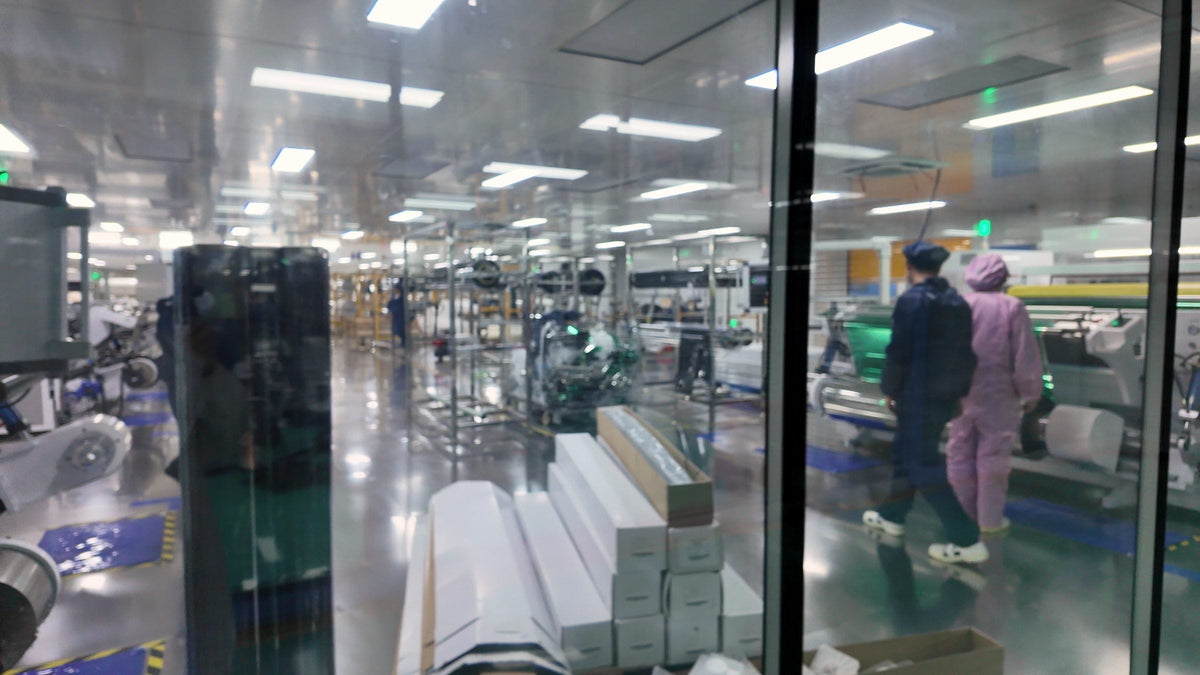
HIGHCOOL makes Vinyl Wrap at our own factory in Shanghai, and it ships from stock in China. See the colors and finishes in our Vinyl Wrap range, then order a color chart before your first roll order.
FAQ
What is car wrap material made of?
Car wrap material is made of PVC vinyl with plasticizers, pigments and a protective top layer, backed by a pressure-sensitive adhesive. Many films have air-release channels in the adhesive to help push out trapped air. The two main types are cast and calendered vinyl.
What is the difference between cast and calendered vinyl wrap?
Cast vinyl is poured and cured, so it has low memory and conforms to deep recesses more easily. Calendered vinyl is rolled from heated PVC, costs less and needs more heat control and post-heating on stretched areas. HIGHCOOL Vinyl Wrap is calendered PVC.
Does vinyl wrap damage car paint?
No, not on healthy factory paint when it is installed and removed correctly. Problems usually come from resprayed panels, paint that was already failing, or film pulled off cold. Heat the film during removal and pull at a low angle.

Share:
Types of Car Tint Explained: A Guide for Tint Shops
Ceramic Window Tint for Tesla and EVs: A Guide for Tint Shops