
For decades, waxing was considered an essential part of car care. Weekend routines revolved around polishing paint to a glossy shine, knowing that the effect would fade within weeks. Today, however, a growing number of car enthusiasts, collectors, and professional detailers have moved away from traditional wax in favor of ceramic coatings.
This shift isn’t driven by trends or marketing hype—it’s driven by performance. Ceramic coatings offer a fundamentally different approach to protecting automotive paint, one that aligns better with modern driving conditions, long-term ownership, and the expectations of enthusiasts who demand more than temporary shine.
This article explains why ceramic coatings have replaced wax as the preferred choice, how the two differ at a material level, and why long-term protection—not short-term gloss—is what truly matters.
Wax vs. Ceramic Coatings: Understanding the Real Difference
At a glance, both wax and ceramic coatings aim to improve appearance and protect paint. The similarity ends there.
Traditional Wax: Surface-Level, Short-Term Protection
Carnauba and synthetic waxes sit on top of the paint as a soft, sacrificial layer. They enhance gloss and provide mild water beading, but they are inherently temporary. Heat, UV exposure, rain, and washing quickly degrade wax, often within a few weeks.
Wax does not chemically bond to paint. It offers minimal resistance to acidic contaminants and almost no protection against abrasion or oxidation over time.
Ceramic Coatings: A Bonded Protective Layer
Ceramic coatings use advanced silica-based or ceramic polymer technology to chemically bond with the clear coat. Once cured, they form a semi-permanent layer that becomes part of the paint surface rather than sitting on top of it.
This bonded layer delivers:
-
Strong chemical resistance
-
Long-lasting gloss
-
Hydrophobic behavior that remains stable
-
Improved surface hardness compared to wax
The difference is not cosmetic—it’s structural.
Reason #1: Longevity That Matches Enthusiast Expectations
Car enthusiasts value consistency. Reapplying wax every few weeks is time-consuming and, over the long term, frustrating.
Wax typically lasts:
-
A few weeks under daily driving
-
Even less in harsh climates or frequent washing
Ceramic coatings, by contrast, are designed to last years, not weeks. With proper maintenance, many coatings retain performance for 3–7 years or more depending on formulation and care.
For enthusiasts who want to drive and enjoy their vehicles rather than constantly reapply protection, longevity is a decisive factor.
Reason #2: Gloss That Doesn’t Fade After the First Wash
Wax produces an immediate shine, but that shine is fleeting. After several washes or exposure to heat, the surface begins to dull.
Ceramic coatings create a deeper, more reflective gloss that remains consistent over time. Because the coating bonds at a molecular level, the finish doesn’t wash away—it stays locked in.
For collectors, show-car owners, and enthusiasts who care about presentation, ceramic coatings provide a stable aesthetic that wax simply can’t maintain.
Reason #3: Superior Defense Against Real-World Threats
Modern driving environments are harsher than ever. Paint is constantly exposed to:
-
Acid rain and industrial fallout
-
Bird droppings and insect residue
-
Tree sap and road salt
-
UV radiation that accelerates oxidation
Wax offers limited resistance to these threats. Ceramic coatings are engineered specifically to resist chemical attack and UV degradation, slowing the processes that lead to staining, fading, and clear coat failure.
For enthusiasts who want to preserve factory paint—or protect fresh paintwork—this level of defense is essential.
Reason #4: Easier Maintenance and the Hydrophobic Advantage
One of the most appreciated benefits of ceramic coatings is how they change the cleaning experience.
Ceramic-coated surfaces exhibit strong hydrophobic behavior, causing water to bead and roll off the paint, carrying dirt with it. This reduces:
-
Dirt adhesion
-
Water spotting
-
Frequency and effort of washing
While wax initially beads water, its hydrophobic effect diminishes quickly. Ceramic coatings maintain this property for years, not weeks.
For enthusiasts who value a clean car but don’t want to wash constantly, this is a major advantage.
Reason #5: Better Resistance to Swirls and Micro-Scratches
Wax is soft by nature. It can trap dust and debris, which then act like abrasives during washing, creating swirl marks over time.
Ceramic coatings cure into a harder, more resilient surface. While they do not make paint scratch-proof, they reduce the likelihood of fine swirls and micro-marring, especially during routine washing.
This means the paint stays clearer and sharper for longer—something experienced car owners notice immediately.
Reason #6: Long-Term Value and Cost Efficiency
Wax appears cheaper upfront, but the long-term cost tells a different story. Frequent reapplication consumes:
-
Product cost
-
Time and labor
-
Incremental wear on paint
Ceramic coatings require a higher initial investment but significantly reduce ongoing maintenance costs. Over several years, many enthusiasts find ceramic coatings more economical—especially when factoring in paint preservation and resale value.
Vehicles with well-maintained paint consistently command higher resale prices and attract more serious buyers.
Why Professional Installation Matters More Than Ever
Ceramic coatings are not forgiving products. Proper performance depends on:
-
Thorough surface preparation
-
Paint correction to remove defects
-
Controlled application conditions
-
Correct curing processes
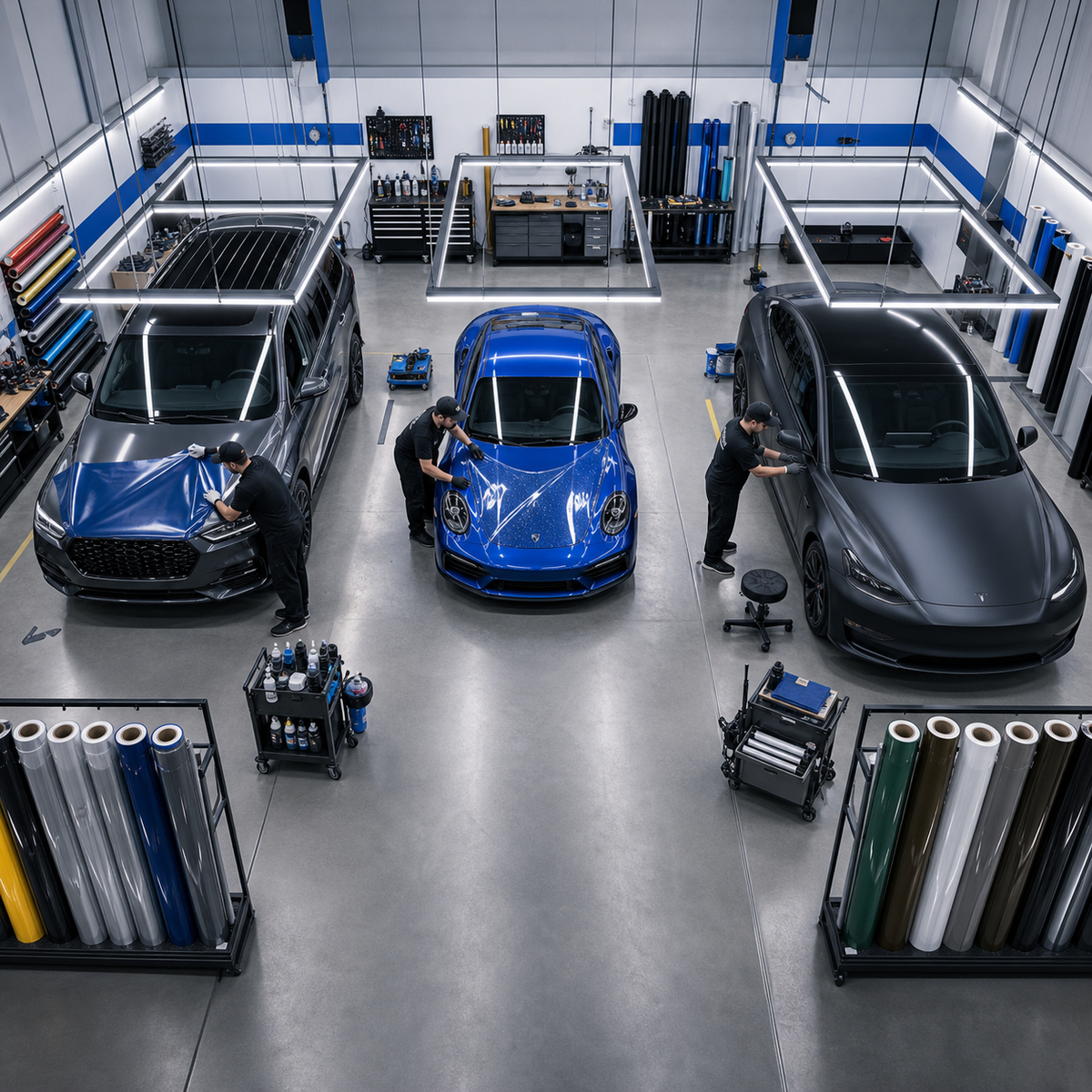
Professional installers work in controlled environments and understand how to apply coatings evenly and safely. This ensures the coating performs as designed and qualifies for warranty coverage.
DIY applications may improve appearance temporarily, but improper preparation or uneven application can limit durability and effectiveness.
Ceramic Coatings as Part of a Larger Protection Strategy
Many enthusiasts combine ceramic coatings with paint protection film (PPF) on high-impact areas. PPF handles physical damage, while ceramic coatings enhance gloss and chemical resistance across the entire vehicle.
This layered approach reflects a modern understanding of paint protection: no single product does everything, but the right combination delivers superior results.
Manufacturing Quality: The Hidden Factor Behind Performance
Not all ceramic coatings behave the same over time. From a technical standpoint, performance depends heavily on:
-
Raw material purity
-
Formulation stability
-
Consistency between batches
Manufacturers that approach ceramic coatings from a factory-level materials engineering perspective focus on repeatability and long-term behavior—not just initial gloss.
Companies such as HIGHCOOL, which operate dedicated automotive film and coating manufacturing facilities, emphasize controlled production, testing, and formulation consistency. This manufacturing discipline supports professional installers by delivering coatings that perform predictably in real-world conditions, reducing failures such as premature degradation, uneven curing, or reduced chemical resistance.
For enthusiasts, this translates into confidence that the protection they apply today will still perform years down the road.
Is Wax Still Relevant for Enthusiasts?
Wax still has a place—for short-term cosmetic enhancement or quick touch-ups. Some enthusiasts enjoy waxing as a ritual and appreciate its immediate visual reward.
However, for those focused on long-term protection, durability, and ease of ownership, wax is no longer the primary solution. Ceramic coatings better match modern expectations and real-world usage.
Final Verdict: Why Enthusiasts Choose Ceramic Coatings Over Wax
Car enthusiasts choose ceramic coatings because they offer:
-
Long-lasting protection
-
Stable, deep gloss
-
Resistance to modern environmental threats
-
Reduced maintenance effort
-
Better preservation of paint and value
Wax delivers nostalgia and short-term shine. Ceramic coatings deliver performance.
As vehicles become more valuable and ownership periods lengthen, it’s clear why ceramic coatings have become the preferred choice among those who care deeply about their cars.
FAQ
Why is ceramic coating better than wax?
Ceramic coatings chemically bond to paint and provide long-term protection, while wax sits on the surface and wears off quickly.
How long does ceramic coating last compared to wax?
Wax typically lasts weeks, while ceramic coatings can last several years with proper care.
Does ceramic coating make a car scratch-proof?
No, but it increases surface resistance and reduces minor swirl marks and micro-scratches during washing.
Is ceramic coating worth the higher upfront cost?
For many enthusiasts, yes. The reduced maintenance and long-term protection often make ceramic coatings more cost-effective over time.
Can wax be applied over ceramic coating?
In most cases it’s unnecessary, as ceramic coatings already provide superior gloss and protection.

Share:
Ceramic Window Tint for EVs and Teslas: Range and Comfort
Paint Protection Film: A Practical Guide for PPF Shops