
When customers buy car protection film, they expect:
-
Glossy finish that lasts
-
No swirls or wash scratches
-
Easy maintenance
So when a customer says:
“Why does my PPF look scratched already?”
This is not a minor complaint — it:
-
Damages installer reputation
-
Creates redo labor costs
-
Hurts long-term referrals
This is why the Top Coat = your business protection layer.
How Self-Healing Works (Simple, Clear Explanation)
Self-healing comes from the elastic polymer network in the top coating layer.
When heated (sunlight / warm water / heat gun), the polymer chains relax back into place, removing light scratches.
But — Not All Top Coats Are Multiple the Same
| Type of Top Coat | Heat Self-Healing? | Scratch Resistance | Durability | Common In |
|---|---|---|---|---|
| Basic clear coat | ❌ None | Low | Poor | Cheap films |
| Elastic polyurethane top coat | ✅ Yes | Medium | Good | Mid-range films |
| Nano hydrophobic + HALS armor coat | ✅Strong | High | Excellent | Premium PPF supplier / manufacturer products |
So when suppliers say:
“Yes, our film is self-healing.”
You must ask:
How fast? At what temperature? And how long does it stay self-healing?
How to Test Self-Healing (The Easy, Shop-Floor Method)
You don’t need a lab — you can prove durability in minutes.
Test Method (For Installers & Distributors)
-
Wipe fine swirl scratches using microfiber
-
Heat area with:
-
🔥 Heat gun (low heat)
-
🌞 Sunlight
-
💧 Hot water (60–80°C)
-
-
Observe recovery time
| Result | Meaning |
|---|---|
| Heals in <10 seconds | High-quality top coat |
| Heals in 10–60 seconds | Mid-grade formula |
| Requires high heat or does not fully heal | Coating is weak → Film will age badly |
Self-healing happens only if the polymer network is stable.
If top coat chemistry is weak → self-healing fades after a few months, and customer complaints begin.
Why Many “Self-Healing Films” Fail in 3–12 Months
Common causes:
| Cause | Effect |
|---|---|
| Cheap silicone-added coating | Shiny at first → loses elasticity quickly |
| No HALS UV stabilizers | UV hardens top coat → no longer heals |
| Low cross-link density | Film becomes soft → swirl marks stay |
| Poor TPU & adhesive matching | Surface micro-stress → premature haze |
This is why:
Self-healing must be engineered — not just advertised.
HIGHCOOL’s Top Coat Engineering (Material Science, Not Marketing)
HIGHCOOL uses:
-
Nano hydrophobic top coating (water & dirt bead off)
-
HALS UV stabilizers (protects polymer chains from UV cracking)
-
Elastic polyurethane network (maintains long-term scratch recovery)
| Feature | HIGHCOOL PPF | Low-Cost PPF |
|---|---|---|
| Self-Healing Speed | Fast (5–15s) | Slow / Partial / None |
| Gloss Retention 60° | ≥97% after aging | 82–91% |
| UV Resistance (Q-SUN) | 3000+ Hours | 500–1500 Hours |
| Durability | 5–10 Years Stable | 6–18 Months Drop-off |
This is why HIGHCOOL performs better in:
-
Hot climates (Texas, Arizona, Dubai, Thailand)
-
Coastal climates (Miami, LA, Malaysia)
-
Harsh UV markets (Australia, Mexico, Brazil)
What This Means for Your Business
Choosing the right top coat reduces:
| Risk | Business Impact |
|---|---|
| Swirl mark complaints | Protects your reputation |
| Warranty replacement jobs | Saves labor margin |
| Cheap film comparison | Allows higher selling price |
| Customer dissatisfaction | More referrals & repeat installs |
Premium material = Stable business.
For PPF Distributors, Installers & Wholesale Buyers
HIGHCOOL offers:
-
Distributor & bulk order pricing
-
OEM / Private label packaging
-
Marketing photos, videos & installation training
-
Los Angeles warehouse for fast delivery in U.S.
If you want to win customers who say:
“I want PPF that actually lasts.”
This is the product that makes it possible.
Call to Action
Request Sample Roll or Distributor Pricing
https://highcool.com/pages/contact-us
You can also request:
-
Product spec sheet
-
Technical comparison chart
-
Exclusive regional distributor opportunities
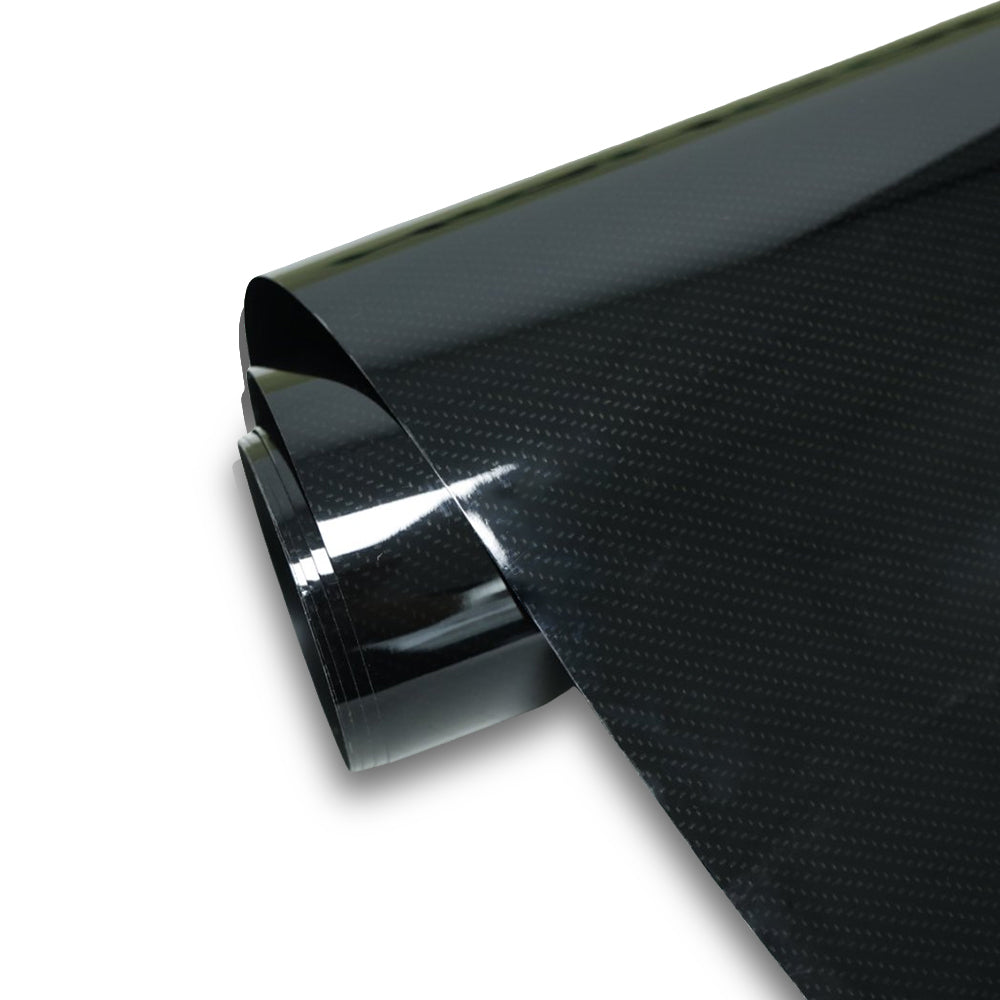
See the film we tested in our Paint Protection Film (PPF) collection, or read our self-healing test results for the full data.


Condividi:
Perché il clima è determinante nella scelta della pellicola protettiva per auto
Perché l’ingiallimento è importante per installatori e distributori