
Eco-friendly PPF production, in practice, means a film whose chemistry passes EU REACH, whose packaging fits the EU's new packaging rules, and whose factory can hand you the paperwork to prove both. In the US the pressure comes more from state rules and VOC limits than from a single EPA standard for film. For a distributor, the useful question is simple: which documents can the factory send you, and do they match the rolls you will import?
Much of what gets written about "green PPF" is vague. Bio-based films, recycled TPU and carbon cuts of a set percentage show up in a lot of marketing, usually without a test report behind them. We would rather tell you what the rules actually ask and what we can document.
PFAS and PPF Topcoats
PFAS, the "forever chemicals", are fluorinated compounds used for water and stain repellency in many products. Some hydrophobic coatings use fluorinated chemistry, so it is fair to ask a PPF supplier whether its topcoat does. In Europe, a broad restriction on PFAS under REACH has been proposed and is still working through the European Chemicals Agency's committees; in March 2026 the risk committee backed an EU-wide restriction, and the socio-economic committee's final opinion is expected by the end of 2026. Several US states have their own PFAS laws for specific product types. If you sell into those markets, ask for a written statement on PFAS in the topcoat and adhesive.
Decarbonizing the TPU Supply Chain
The TPU base of the film is the largest single raw material in a roll of PPF. The big resin makers publish their own sustainability programs, and some offer bio-attributed or mass-balance grades. Whether a given PPF uses one of those grades is something only the film maker can confirm, by grade and by batch. HIGHCOOL sources TPU from Lubrizol, BASF, Covestro and Wanhua depending on the grade. We do not sell a separate "eco" grade, and we do not publish a carbon footprint figure for our film.
VOC Reductions: Meeting EPA Clean Air Standards
Under the Clean Air Act, VOC emissions from coating and adhesive operations are regulated by the EPA and, in practice, by state and local air districts. California's are among the strictest. For an installer, the VOC question comes up in the shop as much as in the factory: slip solutions, adhesion promoters and cleaners are where solvents reach the bay. A finished, cured roll of PPF is a different case from the liquid chemicals used to make or install it, so ask your suppliers about both.
Circularity and the PPWR
The EU Packaging and Packaging Waste Regulation (PPWR) applies from 12 August 2026. It covers packaging, not the film itself: the cores, wraps, boxes and pallets a roll ships in. Obligations fall on whoever places that packaging on the EU market, which for imported film is often the importer. If you import PPF into the EU, ask the factory for a list of the packaging materials and weights for each roll size, so you can do your own reporting.
The film itself is harder. PPF is a layered product, TPU, adhesive and a PET release liner, and most municipal recycling does not handle TPU and adhesive composites. Honest suppliers will say so.
Transparency: The Digital Product Passport
The EU's Ecodesign for Sustainable Products Regulation will bring Digital Product Passports to product groups one delegated act at a time. The Commission's first working plan puts textiles, furniture, tires, mattresses, steel and aluminum first, and paint protection film is not on that list. Traceability already matters, though. Every HIGHCOOL roll carries its own code under our "one roll, one code" system, which ties the roll to its batch for warranty and quality questions.
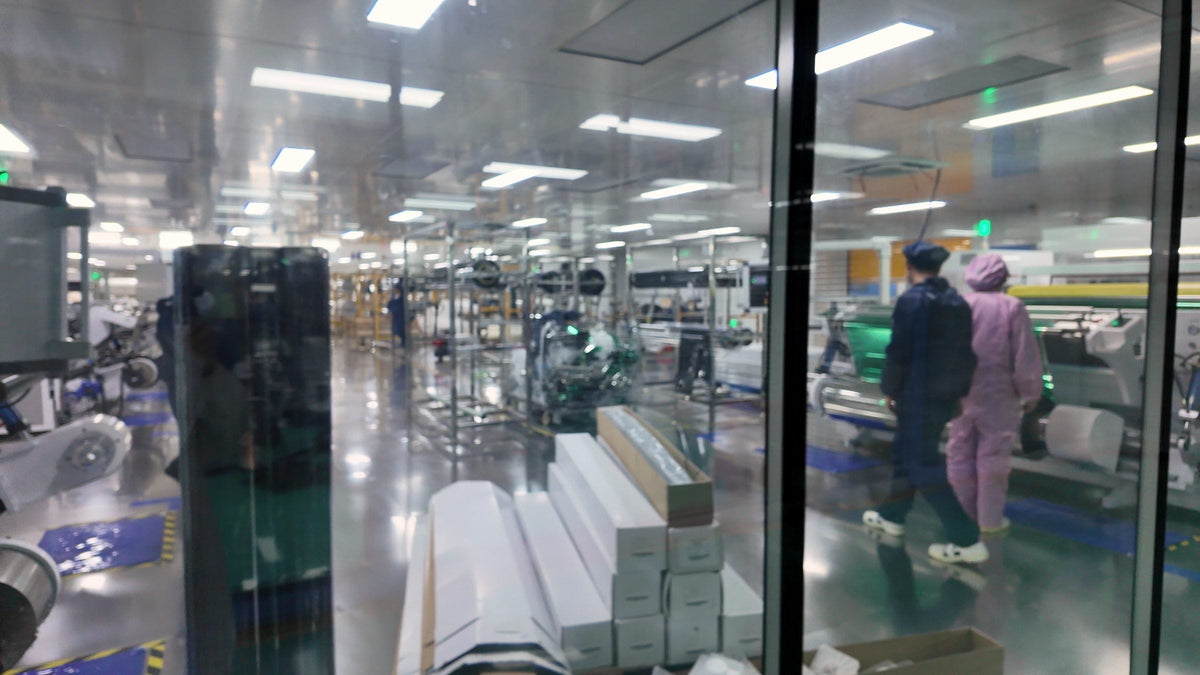
What we can document today: our Shanghai factory is ISO 9001 certified and our film is REACH compliant. To see the range, start with our Paint Protection Film (PPF) page, then tell us which market you sell into and which documents your customers ask for.
FAQ
Does "eco-friendly" PPF mean the film is less durable?
It should not, but check the test data instead of the label. Durability comes from the TPU grade, topcoat and adhesive, so ask for weathering results on the exact grade you plan to buy.
Do the EU PPWR rules apply to the PPF film itself?
No, the PPWR covers packaging such as cores, wraps and boxes, not the film product. The obligations usually fall on the company that places the packaging on the EU market, often the importer.
Can I recycle PPF scraps?
Usually not through municipal recycling, because TPU bonded to adhesive and a PET liner is hard to separate. Some regions have industrial waste handlers that accept plastic film scraps, so check locally.


Share:
Ceramic Window Film and 5G Signals: Why Shops Should Avoid Metallic Film
California Tint Laws 2026: Staying Profitable Within 70% VLT Regulations