
Buying 15% VLT tint factory direct and in bulk lowers your cost per car when 15% is a shade you install every week, because you pay less per roll, spread freight over more cars and stop paying for rush restocks. If 15% is an occasional request in your shop, bulk buying just ties up cash on the shelf.
The usual problem with 15% is not that it is hard to sell. It is that shops buy it reactively. Stock runs low, someone places a rush order at whatever price is on offer, and the cost per vehicle drifts from month to month. The bays stay busy, but each car earns a little less than it should.
Why 15% VLT is a strong bulk-order shade
Some shades are specialty stock. Some are a request every few weeks. A few carry the shop, and in many markets 15% is one of those. It is a clear step darker than factory glass without being the darkest film on the wall, it suits sedans, SUVs and daily drivers, and it is easy for a front-desk person to explain. Our 15% Window Tint Guide covers how it looks and where it is legal.
Check your local law before you stock deep. Many states set a minimum VLT for front side windows that 15% does not meet, so in those markets most of your 15% will go on rear glass. The more often a shade sells, the more a few dollars saved per car adds up over a year of installs.

What cost per car really means
Roll price is the number on the invoice. Cost per car is the number that decides your margin. To get it, take the roll price plus that roll's share of freight and duties, and divide by the number of cars you actually get out of the roll after trimming and remakes. Then add a little for the cash and shelf space the stock ties up.
That is why a cheap one-off roll can end up costing more. If the shade drifts between batches, the freight was a rush shipment, or the film shrinks badly on a curved back glass and your tech cuts it twice, the cost per car goes up even though the roll price looked good.
How bulk ordering can reduce per-car cost
A larger order usually gets a better unit price, because the factory can plan production and packing around it. Freight also gets cheaper per roll: one consolidated pallet shipment costs far less per roll than several small courier boxes sent in a hurry. And planned orders remove emergency buying, which always costs more in price, shipping or schedule stress.
We will not print wholesale prices here, because your price depends on your country, the mix of films you order and how much you move each month. Our Wholesale page explains how we set up repeat buyers, and we quote factory-direct within 12 business hours.
Why factory direct is different from buying through layers
Each layer between you and the factory adds margin and makes it harder to get a straight answer. Which widths are in production? Will the next batch of 15% match the last one? How will the rolls be packed? When will the order ship? Through a distributor, those questions go up a chain and come back slowly.
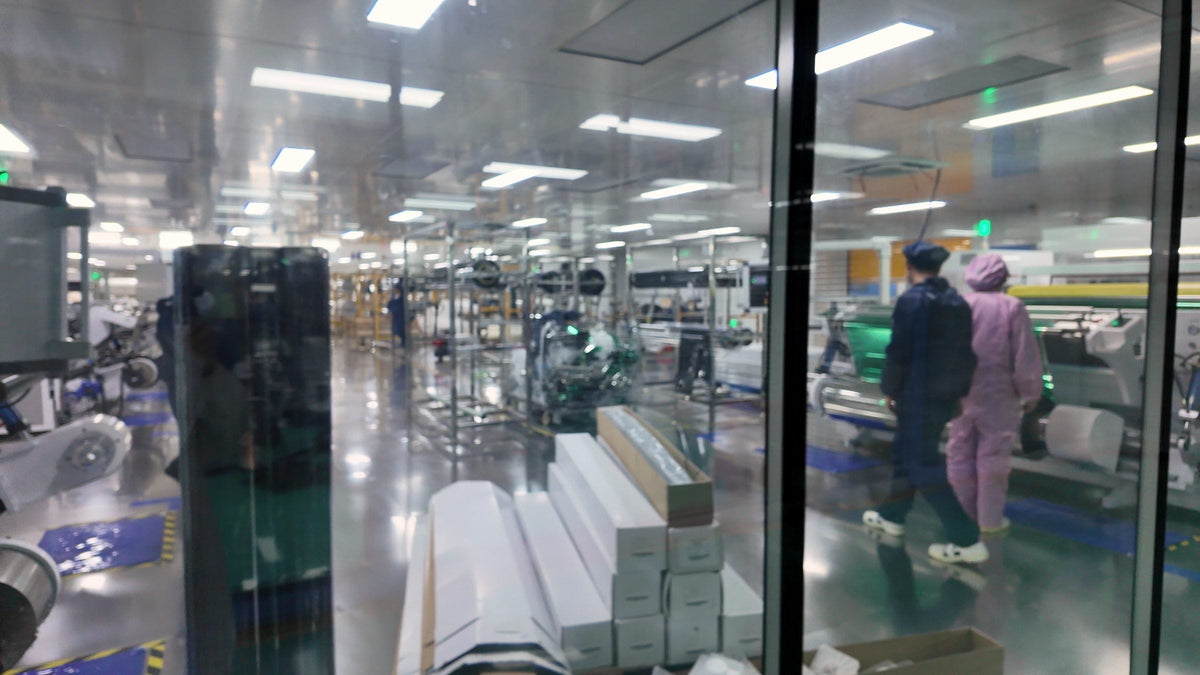
Buying direct puts you in touch with the people who make, pack and ship the film. HIGHCOOL runs its own 20,000 m² factory in Shanghai with ISO 9001 certification, and the same team handles production, packing and your questions. You can see the site on our About Us Factory page.
Film quality decides whether the savings hold
A lower cost per car only holds if the film installs cleanly and the customer does not come back. If a cheaper film causes more contamination under the edges, more fingers on the back glass or a shade that does not match the car tinted last month, the savings disappear in labor and redo jobs.
Judge a 15% film on the bench before you commit volume: optical clarity, how the adhesive behaves during squeegee work, how consistent the VLT is roll to roll, and how it heat-shrinks. You can order free A4 samples of our Automotive Window Tint and Nano Ceramic Solar Car Window Tint Film, sent from US sample stock, and you pay only the shipping.
A practical bulk buying framework
Before a large 15% order, pull real numbers from the last 90 days instead of guessing:
- How many 15% installs did you complete?
- How much film did you use per car on average, including trim?
- How many panels did you remake?
- How many times did you place a rush restock?
- What did freight cost per car on those orders?
Once those numbers are on paper, the order size is easy to set. Some shops order monthly, some quarterly, and some reorder when stock hits a set number of rolls. Any of these works if it is based on usage.
Shipping and restocking matter too
HIGHCOOL Window Film ships from Shanghai, so build the transit time into your reorder point. The ship date for each order is confirmed on the proforma invoice. Our Shipping Policy and FAQ cover the standard terms.
Good buyers ask more than the price. They ask when the order can move, whether a reorder of the same shade will match, how predictable the delivery cycle is, and who to call when volume changes. Get those answers before you build your inventory plan around one supplier.
If 15% is one of your top shades, send us your monthly install count and delivery country through our contact page, and we will quote a bulk order sized to what you actually use.
FAQ
Why is 15% VLT a good shade to buy in bulk?
In many markets 15% sells steadily because it is dark enough for privacy without being limo tint. A shade that moves every week is where bulk pricing and consolidated freight save the most per car.
How does bulk ordering lower cost per car?
Bulk orders usually get a better unit price, spread freight over more rolls and remove rush restocks. Cost per car falls as long as the film installs cleanly and you are not remaking panels.
What should a shop calculate before a bulk tint order?
Look at the last 90 days of installs for that shade, average film used per car, remake count, rush orders and freight cost per car. Those numbers tell you how many rolls to order and how often.

Share:
Rideshare Driver Tint Upsells: A 35% Tint Guide for Shops
Tesla Model Y PPF Cost: Coverage, Quotes and Shop Buying Guide