
You spot real PPF failure by looking for damage that spreads: edges that keep lifting, bubbles that show up years after the install and grow, cracking, layers separating, and yellowing or haze that stays after a proper clean. Faint swirls, weaker water beading and a little dirt at the edges are normal aging, and they do not mean the film has to come off.
The difference matters for owners and for shops. Owners want to know whether to replace or just clean. Installers and distributors need one consistent way to tell aging from damage, so every complaint does not turn into a warranty fight.
What normal PPF aging looks like
PPF ages the way most polymers do. UV, heat cycles, washing and chemicals slowly change the topcoat and the adhesive. After a few years you usually see water beading less tightly than it did new, faint swirl marks from washing, slightly less gloss than on day one, and darker edges where dirt has collected even though the film is still bonded.
None of that means the film is failing. Failure means the film is losing its bond, its structure or its clarity, and it will keep getting worse.
PPF aging vs damage: cosmetic wear or structural failure
Cosmetic wear stays on the surface and does not affect protection or adhesion. Structural failure is adhesion breaking down, the film cracking or delaminating, heavy discoloration, or damage that spreads. Do not panic at every mark. Look for problems that will grow and get expensive if you leave them.
PPF failure signs: 10 tests to tell failure from normal aging
Some of these checks are visual, some are by touch, and a few need only common detailing products. Use more than one before deciding. The table puts normal aging and failure side by side; the notes after it cover what to do.
| Test | Normal aging | Failure sign |
|---|---|---|
| 1. Edge lift progression | Edges look a little darker from dirt but are firmly bonded | A fingernail can lift the edge, or a thin air channel creeps inward |
| 2. Bubble vs moisture | Small water pockets on new film that shrink over the first weeks | New bubbles years after the install, or bubbles that grow and join |
| 3. Yellowing pattern | A slow, even tone shift over years, often first on flat panels | Patchy yellowing, hard boundaries, or one panel much worse than the rest |
| 4. Haze in direct sun | A little less depth, reflections still clean | A cloudy, milky layer that makes the car look older |
| 5. Cracking or crazing | Fine marring only | Cracks, crazing patterns or brittle lines near edges and tight curves |
| 6. Delamination | Not part of normal aging | Layers separating, a rippled look, or silvering in hot areas |
| 7. Stain that won't leave | Stains improve with proper decontamination | Stains stay, spread or leave permanent shadows |
| 8. Hydrophobic drop-off | Water beads less than new but still runs off | Water sheets unevenly, clings and spots easily |
| 9. Touch and flex | Smooth surface with mild texture | Brittle or dry feel, stiff edges that feel ready to crack |
| 10. Time and environment | Young film, garaged, gentle washing | Older film parked outside in strong sun or road salt, showing several signs above |
Edge lift and bubbles
Edge lift rarely stops on its own. Once water and dirt get under the edge, the bond weakens faster. A professional can sometimes reseal or rewrap an early lift; a lift that has travelled usually means replacing that panel. Bubbles that appear long after the install and keep growing point to adhesive breakdown or contamination under the film. Treat them as a replace-soon condition.
Yellowing and haze
Uneven yellowing can come from contamination, chemicals or unstable material. Deep-clean and decontaminate first. Surface staining may improve; if the color is in the polymer itself, replacement is the only lasting fix. For haze, stand at an angle in bright sun and compare a filmed panel with an unfilmed one. A film-safe polish can bring some clarity back if the topcoat is intact. If the haze returns quickly, the film is near the end of its life.
Cracking and delamination
Check bumper corners, mirror caps and fender tips. Cracking is structural: water gets in faster and removal gets harder. You cannot detail it away, so plan the replacement. Delamination means the film is coming apart in layers, and repairs usually leave worse seams than a new panel.
Stains, water behavior and feel
Run a safe sequence before you condemn a stain: a pH-neutral wash, then a film-safe bug and tar remover, then a film-safe iron remover, then a film-safe clay alternative if it suits the film. If nothing moves it, the topcoat may be broken down or etched. Poor water beading alone is not a reason to replace, but together with haze and staining it confirms the film is worn out. A brittle, dry feel on a cool, clean panel is an early warning that removal will be harder later.
What's fixable and what usually needs replacing
Caught early, a small edge lift without dirt under it, light swirls, mild staining on an intact topcoat and some light haze can often be fixed. Cracking, delamination, widespread lifting, bubbles that keep growing years after the install, and yellowing or haze that comes back quickly after care usually mean replacement.
Being clear about this keeps owners from replacing film too soon, and keeps shops from promising repairs that will not last.
When to replace PPF
There is no single year. Film grade and climate decide it. Problems in the first couple of years are usually about the install or the washing, not aging. A car that lives outdoors in strong sun ages its film much faster than one kept in a garage. Warranty length is a useful guide to how long a maker expects its film to last; HIGHCOOL's PPF warranties run 5 to 10 years depending on the grade.
If an older film shows several of the failure signs above, do not wait for it to go brittle. Brittle film tears into small pieces and leaves more adhesive behind, so early replacement often costs less than late removal. Our posts on PPF end of life and PPF UV resistance go further.
The warranty conversation: avoiding "he said, she said"
Warranties differ by brand. Most cover manufacturing defects such as cracking, yellowing and peeling, and exclude accident damage, the wrong chemicals or washing, unauthorized installs, and contaminants left on too long. Read the exclusions before you argue the claim. Our PPF warranty guide walks through the usual terms.
For shops and owners, the record settles most disputes. Photograph the problem in steady light, note the panel and where on it (edge or center), compare it with the panels next to it, and write down the film's age and how the car has been washed. If lifting is the complaint, our post on why PPF lifts or peels helps sort adhesive problems from install problems.
What we see from the factory side
Many complaints that look like failure turn out to be surface contamination, harsh chemicals or an edge that was finished badly. Real failure, meaning cracking, delamination and spreading lift, usually means the film has reached the end of its life or was never stable to begin with. Cheap film tends to get there sooner, as our post on the hidden costs of cheap PPF explains.
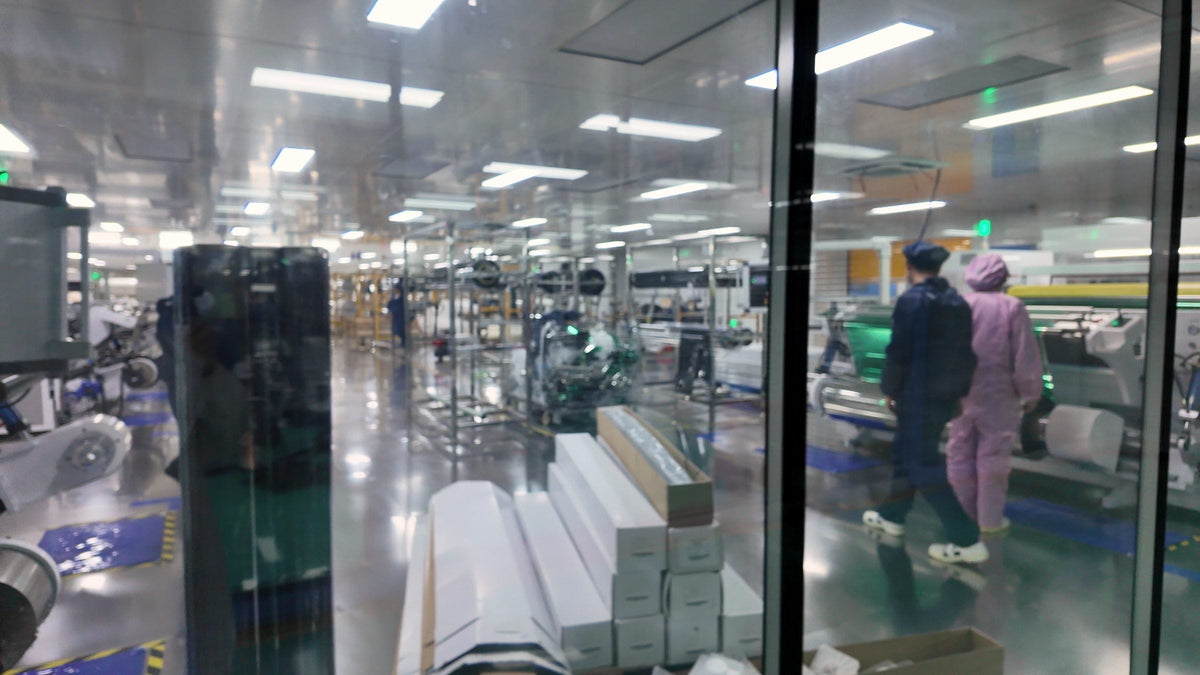
HIGHCOOL makes Paint Protection Film from TPU sourced from Lubrizol, BASF, Covestro and Wanhua, depending on the grade, with a self-healing topcoat. Every roll carries its own code, so a warranty claim can be traced back to the roll that went on the car. We also make Vinyl Wrap and Window Film.
If you install or distribute PPF and want a film whose aging you can predict, ask for free A4 samples of HIGHCOOL Paint Protection Film (PPF) or contact us with your country and monthly volume.
FAQ
What are the most common PPF failure signs?
The most common signs are edge lift that keeps spreading, bubbles that appear years after the install, cracking or crazing, delamination, heavy haze, and yellowing that is patchy or getting worse fast. Each of these gets worse with time. Normal aging, such as faint swirls or weaker water beading, does not.
Can yellow PPF be cleaned, or does it need replacing?
Sometimes it can be cleaned. If the yellow is surface staining, a proper decontamination often brings it back. If the color has changed inside the film layers, replacement is the only lasting fix.
Will PPF removal be harder if I wait too long?
Yes. Old, brittle film tears into small pieces and leaves more adhesive behind, which adds labor and raises the risk to the paint. Replacing film when the failure signs first appear is usually cheaper than removing it after it has gone brittle.

Share:
PPF Warranty: What It Covers and What It Doesn't
PPF for Highway Driving: Stopping Rock Chips