A PPF warranty looks simple on paper. The number of years sounds reassuring, and the marketing language often suggests that the film will “stay clear” or “perform for a decade.” The problem is that most disputes don’t start on day one—they show up years later, when the vehicle has lived through heat cycles, wash chemicals, highway debris, and real-world use. That’s exactly when owners discover the uncomfortable gap between what they thought a warranty meant and what the warranty actually promises.

This article breaks down the PPF warranty topic the way experienced installers and factory-side technical teams look at it: as a set of conditions, definitions, exclusions, and proof requirements. You’ll learn what PPF warranties typically cover, what they almost never cover, why claims get denied, and how to protect yourself before you buy. If you’re a shop owner, you’ll also get a practical framework to reduce “year-3-to-year-5” complaints that drain time and reputation.

For deeper context, you can also reference these internal guides in your content cluster:

  • /blog/ppf-end-of-life-7-shocking-mistakes

  • /blog/ppf-failure-responsibility-9-brutal-truths-2026

  • /blog/why-ppf-yellows

  • /blog/how-to-remove-ppf-safely


What a PPF Warranty Really Is (and Why That Matters)

Most owners assume a warranty is an “appearance guarantee.” In practice, a PPF warranty is usually a limited warranty against manufacturing defects under defined conditions. That difference is the root of nearly every argument.

Think of it this way: PPF is a sacrificial layer. It’s expected to take abuse—light scuffs, surface marring, and impact marks—so your paint does not. A manufacturer warranty is not designed to pay for every sign of daily use. It’s designed to cover problems that indicate something was wrong with the film itself (or, in some cases, the adhesive system), assuming it was installed correctly and cared for reasonably.

This is also why you’ll often see two different warranty “buckets” in the market:

  1. Manufacturer film warranty (material/defect focused)

  2. Installer workmanship warranty (installation quality focused)

If you don’t know which one you’re relying on, you’re not actually protected—you just feel protected.


PPF Warranty: 11 Painful Truths (What They Don’t Cover)

1) The warranty term is not a promise of “like-new looks”

A 10-year PPF warranty is not a 10-year guarantee that your hood will look exactly like it did after install day. Films age. They may show micro-marring from washing, slight texture visibility in certain lighting, or reduced “fresh gloss” over time. A good film ages more gracefully than a low-grade film, but the idea of “perfect forever” is not what warranties are written to guarantee.

What matters is how the warranty defines a defect. If the warranty language focuses on defects like cracking, blistering, delamination, or unusual discoloration, then ordinary surface wear is likely outside the scope.

2) “Wear and tear” exclusions are broader than most buyers expect

Most PPF warranty coverage language excludes what a customer might call “normal damage.” That often includes rock impacts, abrasion marks, wash-induced swirls, and staining caused by contaminants left too long. Many owners are shocked by this, because those are exactly the day-to-day reasons they bought PPF. The key difference is that PPF protects paint by absorbing those stresses; the film can still show scars even when it did its job.

In other words, you don’t evaluate protection by whether the film looks untouched—you evaluate protection by whether the paint underneath stayed intact.

3) Chemical staining is the #1 claim-denial trigger

A huge portion of denied PPF warranty claim cases come down to chemical exposure and dwell time. Bird droppings, bug splatter, tree sap, industrial fallout, and aggressive cleaners can chemically etch or stain the film surface, especially if left in hot sun. Even premium films have limits; the topcoat is resistant, not invincible.

If you want your warranty to matter, treat “quick cleanup” as part of ownership. A film can be excellent and still suffer cosmetic damage when acids and solvents are left sitting for weeks.

4) Many warranties require authorized installation and registration

Plenty of brands require the film to be installed by an authorized installer and registered to activate the PPF warranty. That’s not a small detail. If the shop doesn’t register the job, or the owner can’t prove the install date and film series, the warranty becomes difficult to enforce—even if the film was genuine.

Before you install, ask for a simple checklist: invoice + film brand/series + install date + registration confirmation. You’ll be surprised how many disputes disappear when those documents exist.

5) Yellowing coverage is often narrower than people assume

Yellowing is complicated because it’s not triggered by one factor. It can be influenced by TPU chemistry, UV stabilizer quality, heat cycles, pollution, and maintenance habits—plus the reality that white paint reveals even slight color shifts.

Some warranties cover “excessive yellowing,” but the word excessive is doing a lot of work. A customer may see slight warmth on a white panel and call it failure, while the brand may treat it as normal aging or environmental staining. This is why it’s smart to set expectations early and choose film appropriate for the vehicle’s exposure conditions.

6) Installation defects are usually not a manufacturer problem

If you see trapped dust, visible stretch distortion, uneven alignment, fingers that never fully set, or edges that lift early, that’s typically workmanship—not material defect. A PPF installation warranty (from the shop) is what should cover those issues. When shops don’t offer a clear workmanship warranty, customers often try to force a manufacturer claim, and that’s when relationships get messy.

For buyers: don’t just ask “what film is it?” Ask, “what do you guarantee about your installation quality, and for how long?”

7) Labor may not be included—even when film replacement is approved

One of the most misunderstood parts of PPF warranty coverage is the remedy. Some warranties cover the film itself but not labor. Others may cover labor only through authorized channels, or only within certain limits.

From a buyer’s perspective, it’s not enough to hear “warranty approved.” The real question is: Who pays for removal and reinstall? That’s where costs live.

8) “Lifetime warranty” often means “lifetime under conditions”

When you see “lifetime,” always read the definition. It may mean the lifetime of the original purchaser, the lifetime of vehicle ownership, or the lifetime as defined by certain criteria (registration, maintenance, authorized installation). It may also be prorated. The headline is marketing; the definition is the contract.

9) Removal damage is rarely covered (and repaint history changes everything)

Many PPF warranty programs won’t cover paint damage during removal, particularly on repainted panels. Factory paint usually tolerates proper removal well, but aftermarket paint quality varies widely, and adhesion between layers can be unpredictable. If a panel has been resprayed and the clear coat is weak, a film can lift it even if the film is not defective.

That’s why paint inspection and documentation before installation protects everyone. It’s also why removing old film “whenever you get around to it” is risky; removal is often safest before the film becomes brittle or overly aged.

10) Claims require evidence—and vague photos often fail

Warranty decisions are rarely made on storytelling. They’re made on proof. Most brands require clear photos, install proof, registration data, and sometimes an in-person inspection. If you can’t show film series, install date, and what maintenance looked like, you’re relying on goodwill instead of policy.

For shops, this is where a simple CRM record (film series + date + delivery photos) saves hours.

11) The best warranty strategy is prevention, not paperwork

The harsh truth is that warranty battles are a poor use of time for everyone. The best long-term outcomes come from selecting a stable film, installing it correctly, teaching aftercare clearly, and replacing film at the right time rather than pushing it beyond its service window.

A warranty is a backstop. A reliable system is the real protection.


How to Compare PPF Warranties Like a Pro (Not Like a Shopper)

Instead of comparing warranty length alone, compare these four areas:

1) Definitions: What counts as “defect,” “yellowing,” “delamination,” “cracking”?
2) Conditions: Authorized installer required? Registration required? Transfer allowed?
3) Remedy: Film only vs film + labor? Any caps per panel?
4) Proof: What documents do you need in year 5?

These questions are the difference between “I thought I was covered” and “I actually am covered.”


Practical Steps to Protect Your PPF Warranty Before Installation

If you do only five things, do these:

  1. Choose an installer who documents work and registers warranties

  2. Get the invoice showing film brand/series and coverage areas

  3. Confirm warranty registration (email or screenshot)

  4. Take delivery photos, especially edges and high-impact zones

  5. Follow basic PPF maintenance practices and avoid harsh chemicals

That’s not bureaucracy; that’s your future evidence.


Where Highcool Fits (Natural, Factory Perspective—Not Hard Sell)

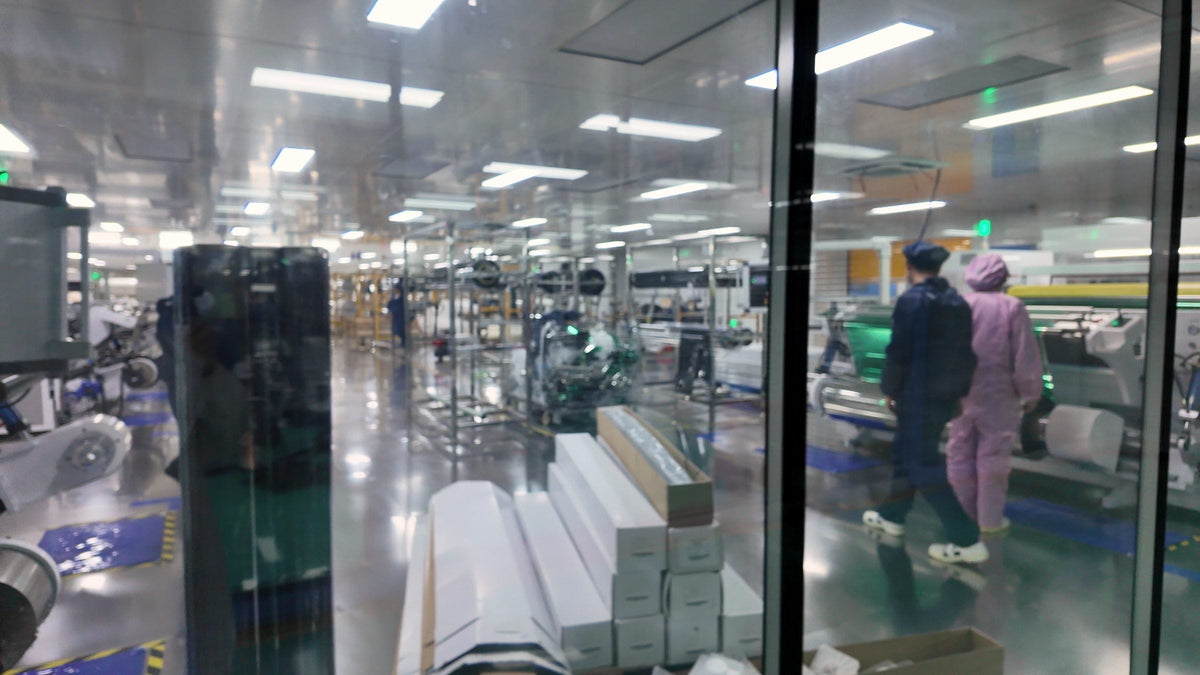
A PPF warranty is only as useful as the film’s long-term predictability. From a factory standpoint, many “mystery problems” that show up around year 3–5 are linked to system stability: TPU formulation consistency, UV inhibitor durability, adhesive aging behavior, and coating uniformity across production batches.

Highcool manufactures protective films with a focus on repeatable, installer-friendly performance over time. In addition to PPF, we also produce color change films (vinyl / styling films) and window film, helping B2B partners source a more consistent film system under one manufacturing quality standard. The goal isn’t to oversell warranties—it’s to reduce the chance you ever need one.


Conclusion: Read the Warranty Like a Contract, Buy Like an Engineer

A PPF warranty is not a blanket promise that nothing will ever happen to your film. It’s a defect-focused agreement with definitions, conditions, and exclusions. When you understand that structure, you can choose film and installer more intelligently, maintain the film more effectively, and avoid the most frustrating type of ownership experience: a claim that fails because the problem was never covered to begin with.

FAQ (Customer Questions People Actually Ask)

1) Does a PPF warranty cover yellowing?

Sometimes, but usually only “excessive yellowing” as defined by the manufacturer. Slight color shift—especially on white cars—may be considered normal aging or environmental staining. Always check how “yellowing” is defined in the policy.

2) Does a PPF warranty cover rock chips and road damage?

Usually not. PPF is designed to absorb impacts to protect paint, but the film itself can show damage. That’s typically treated as normal use, not a defect.

3) Will the PPF warranty cover installation mistakes like dirt under the film or misalignment?

Typically no. Those are workmanship issues and should be covered by the installer’s workmanship or PPF installation warranty, not the film manufacturer.

4) Is labor included in a PPF warranty claim?

Not always. Some warranties replace film but do not cover labor, or they cover labor only through authorized networks. Always ask: “If a claim is approved, who pays for removal and reinstall?”

5) What can void a PPF warranty?

Common causes include failure to register the warranty, installation by an unauthorized shop (for brands that require it), use of harsh chemicals, misuse, or inability to provide proof of purchase/installation.

6) Do I need to register my PPF warranty?

If the brand requires registration, yes—without registration, coverage may be limited or denied. Always request confirmation that the PPF warranty was registered successfully.

7) Can I transfer my PPF warranty when I sell the car?

Some warranties are transferable with rules or fees; others are not. If resale value matters to you, ask about transfer terms before purchase.

8) Does the warranty cover stains from bird droppings, bugs, or tree sap?

Often no—especially if contaminants were left on the film for extended periods. Many warranties treat this as environmental/chemical damage, not a defect.

9) Does washing method affect warranty coverage?

It can. Aggressive pressure washing at edges, abrasive tools, or harsh cleaners can cause damage that’s excluded from PPF warranty coverage. Follow manufacturer care guidance.

10) If removal damages paint, is that covered by the warranty?

In most cases, removal-related paint damage isn’t covered, especially on repainted panels. Removal risk depends heavily on paint history, film age, and removal technique.

11) How long should I keep PPF on before replacing it?

It depends on film quality, environment, and maintenance. Many vehicles enter a replacement decision window around years 5–10. Replacing before the film becomes brittle can reduce removal risk.

12) What should I keep for proof if I ever need a warranty claim?

Keep the install invoice, film brand/series, install date, warranty registration confirmation, and a few delivery photos. These documents often determine whether a PPF warranty claim goes smoothly.

Contact Us

This site is protected by hCaptcha and the hCaptcha Privacy Policy and Terms of Service apply.

Latest Stories

View all

Bulk Vinyl Wrap vs Precut Film: Which Saves More Money?

The bulk vinyl wrap versus precut film debate is usually framed as "professional versus amateur" — bulk for shops, precut for DIYers. The reality is more nuanced and more financially interesting than that binary. The correct answer depends on your installation volume, skill level, colour flexibility requirements, vehicle mix, and crucially, what you are paying per metre for bulk film. A shop buying bulk vinyl wrap from a retail distributor at $12–$18/m² can produce a worse cost-per-vehicle outcome than a moderately skilled DIYer using a precut kit — because bulk film's cost advantage only materialises when the material utilisation rate is high and the per-metre cost is at B2B wholesale pricing. This guide maps the decision correctly: a 7-dimension comparison matrix, a real cost-per-job calculation for both options at retail and B2B pricing, the material utilisation data that determines when bulk actually wins, and the specific operator profiles for whom each option is the right procurement choice.

Read more

Vinyl Wrap Distributor: Market Guide to Profit & Growth

The vinyl wrap distributor market is growing at 18–22% CAGR — from $8.69 billion in 2025 to an estimated $44.83 billion by 2034. This market growth does not automatically translate into distributor profitability, however. The difference between a vinyl wrap distributor generating $50,000 in annual profit and one generating $300,000 is almost entirely explained by supply chain structure: factory-direct margin at 25–40% versus brand-licence margin at 8–18%, compounded by whether the distributor has secured fleet programme accounts or remains dependent on individual installer sales. This guide maps the full distributor landscape — 5 models, the 4-tier supply chain with price data at each tier, territory profitability benchmarks, supplier qualification criteria, and the Highcool B2B programme for distributors who are ready to build on factory-direct economics.

Read more

Vinyl Wrap ROI for Car Shops: Proven Numbers That Matter

Most wrap shop owners know their revenue but not their return on investment. They know how many wraps they did last month but not the actual ROI at the job level, the fleet client level, or the annual business level. This guide closes that gap with three ROI models — per-job ROI, fleet client ROI, and 3-year cumulative business ROI — built with real 2026 cost and revenue data. It covers the five levers that move vinyl wrap ROI in the right direction, including the one that requires no price increase and no new clients: switching film sourcing from retail-channel to factory-direct, which improves per-job ROI by 8–20 percentage points on every wrap immediately.

Read more