Most paint protection film (PPF) articles focus on the fun part: glossy installs, satisfying self-healing demos, and dramatic rock-chip tests. But there’s a topic that gets quietly skipped—PPF end of life.

And that’s a problem, because “end of life” is where real money is won or lost.

If you’re reading this, you’re probably asking one of these questions:

  • How long does PPF really last in the real world?

  • What does old film look like after years of sun, washes, and road debris?

  • When should I remove it or replace it—before it becomes a nightmare?

This guide is the honest, practical answer. We’ll explain what PPF end of life actually means, the signs you should watch for, what removal should look like, and the most common mistakes that turn a smart investment into an expensive headache.


What “PPF End of Life” Really Means (Not the Warranty Date)

PPF end of life does not mean “the day your warranty expires.”

It means the moment your film stops being a net benefit—when it starts causing one or more of these issues:

  • Unacceptable haze or discoloration

  • Edge lifting that traps dirt and moisture

  • Adhesive changes that make removal risky

  • Staining that no longer cleans out

  • A topcoat that no longer resists swirls and chemicals

High-quality PPF can often perform well for years, but every film eventually reaches a point where replacement is smarter than “trying to keep it going.”

Most real-world lifespan ranges land in the 5–10 year window, depending on film quality, climate, driving patterns, and maintenance.


Why Most PPF Articles Avoid the End-of-Life Conversation

There are three reasons:

  1. It’s not as sexy as installation content.
    “Look at this glossy hood!” gets clicks. “Here’s how film ages” feels less exciting—until you’re dealing with it.

  2. End-of-life exposes differences in material quality.
    At year one, many films look similar. By year five, they don’t.

  3. It forces an honest discussion about expectations.
    PPF is amazing, but it’s not magic. If someone sells it like a forever-solution, they’re setting customers up for regret.

That’s why a rational plan for PPF end of life should be part of every purchase decision—especially for white cars, daily drivers, and vehicles parked outdoors.


The 3 Stages of PPF Aging (So You Know What’s Normal)

Stage 1: “New Film” (0–12 months)

  • Looks nearly invisible

  • Self-healing works easily

  • Most contamination wipes off

  • Edges stay flat

Stage 2: “Working Film” (1–5 years)

  • Still protects well

  • May show light swirls in harsh washing habits

  • Minor edge dirt lines can develop

  • Self-healing may require more heat to activate

Stage 3: “PPF End of Life” (5–10 years)

  • Cosmetic aging becomes more noticeable

  • Film can harden or lose elasticity

  • Adhesive behavior changes

  • Removal can become more difficult if neglected

This is where most people get surprised—because they never learned what stage 3 looks like.


PPF End of Life: The 7 Shocking Mistakes Most Owners Make

1) Waiting Too Long to Remove the Film

The biggest mistake is delaying action when warning signs appear.

A film that’s still protecting but looks tired is one thing. A film that’s lifting, cracking, or staining deeply is another. When PPF reaches end of life, time becomes your enemy because:

  • lifted edges invite moisture and grime

  • the film can become brittle

  • adhesives can become harder to remove cleanly

Rule of thumb: If you’re seeing multiple “end-of-life” symptoms, plan replacement soon—don’t gamble.


2) Confusing Road Impact Damage with Film Failure

A common misconception: “My PPF got hit by rocks, so the film failed.”

Not necessarily. PPF is designed to take damage so your paint doesn’t. If you drive highways daily, chips and scuffs on the film are expected over time.

The real question is:

  • Did the film absorb impact and protect paint?

  • Are the damaged areas localized and replaceable?

  • Is the rest of the film still stable?

Often, replacing high-impact panels (bumper, hood, mirrors) is smarter than removing everything.


3) Ignoring Stains Until They Become Permanent

At end of life, stains become harder to reverse.

The most common permanent stain sources:

  • bug remains

  • bird droppings

  • tree sap

  • industrial fallout / rail dust

  • harsh chemicals left too long

Many film-care guides recommend cleaning contaminants promptly and using film-safe cleaners.

If you wait weeks, you’re not just cleaning—you’re trying to reverse chemistry.


4) Assuming “Yellowing = Bad Film” (When It’s Often a System Problem)

Yes, low-quality films may yellow earlier. But yellowing can also be accelerated by:

  • intense UV exposure

  • heat cycles

  • pollution

  • chemical residue

  • lack of maintenance

On white paint, even mild color shift becomes obvious. That doesn’t always mean the film is defective—it means the film is aging in your environment.

If your market includes hot/sunny regions, you should treat PPF end of life planning as part of the buying decision, not a surprise later.


5) Believing Thickness Alone Predicts Longevity

Thickness helps with impact absorption, but it does not automatically guarantee a longer service life.

Long-term aging depends heavily on:

  • TPU formulation quality

  • UV stabilizers and anti-oxidation package

  • topcoat chemistry

  • adhesive stability over years

A thick film with weak UV stability can still discolor or degrade early. Meanwhile, a well-engineered film with controlled thickness consistency can age far better.

Translation: Thickness is a feature—engineering is the system.


6) Pressure-Washing the Edges Like It’s Bare Paint

Edge lifting often becomes visible around end of life, especially on high-stress curves. One fast way to accelerate failure is repeatedly blasting edges with high-pressure water.

Some manufacturer care resources specifically warn about aggressive washing habits and recommend gentle methods.

Practical tip:

  • keep pressure nozzles at a safe distance

  • avoid aiming directly into seams

  • use controlled angles around edges

This single habit can extend the “working life” of your film and delay PPF end of life symptoms.


7) Treating Removal Like a DIY Sticker Job

End-of-life removal is not the same as peeling a fresh decal.

Risk factors that make DIY removal dangerous:

  • old film that hardened

  • edges that cracked

  • panels that were repainted

  • cold removal without heat control

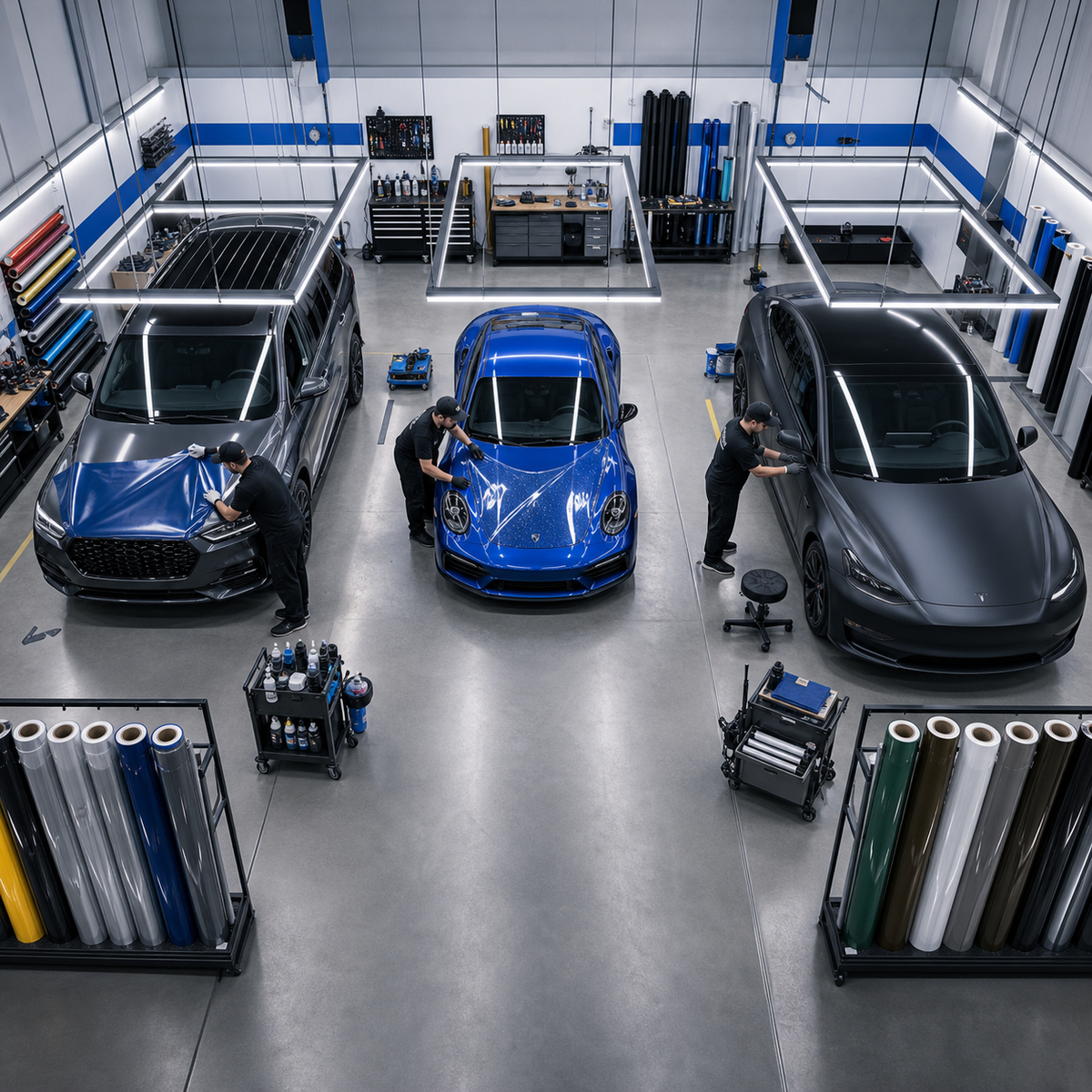
Professional removal often uses controlled heat and safe angles, reducing the chance of pulling clear coat—especially on repainted areas.

If you’re unsure, treat PPF removal like paint correction: the cheapest option can become the most expensive.


Signs Your PPF Is Reaching End of Life

Here’s a simple checklist. If you see 2–3 of these, you’re likely approaching PPF end of life:

  • noticeable haze in sunlight

  • persistent discoloration/yellowing

  • edge lift that keeps spreading

  • dirt lines that won’t clean out

  • micro-cracking (especially on curves)

  • topcoat feels rough or “dry”

  • stain marks that don’t respond to safe cleaning


Replace vs Remove: What’s the Smart Move?

Replace (best when…)

  • you love the car and plan to keep it

  • the paint is in excellent shape under the film

  • the film protected well but looks tired

  • you want a cosmetic refresh

Remove and Stop (best when…)

  • the car is being sold soon

  • you don’t want ongoing maintenance

  • most impact zones are already worn

  • you’d rather do targeted protection next time

Partial Replace (often the best value)

Many owners don’t need full replacement. The highest ROI areas are:

  • front bumper

  • partial hood or full hood

  • fenders

  • mirror caps

  • rocker panels


Maintenance Habits That Extend PPF Lifespan

If you want to delay PPF end of life, focus on these habits:

  1. Wash regularly (especially after bug-heavy highway driving)

  2. Remove bird droppings fast (hours, not weeks)

  3. Avoid harsh abrasives and rough scrubbing tools

  4. Use film-safe products and clean microfiber towels

  5. Minimize edge stress (pressure nozzle control, careful drying)

These sound basic, but they’re the difference between a film that ages gracefully and a film that looks old at year three.


Why “End of Life” Planning Matters for Installers and Distributors

From a B2B perspective, PPF end of life is about reducing future friction:

  • fewer callbacks

  • fewer disputes about “warranty vs wear”

  • better customer education

  • stronger long-term reputation

When installers set expectations early (“this film is designed to protect for years, but it will age, and replacement is normal”), customers trust the shop more—not less.


Where HIGHCOOL Fits 

If you’re building a professional PPF program—whether you’re an installer, distributor, or dealer—your biggest hidden cost is inconsistency.

From a factory standpoint, many end-of-life issues are not “random.” They’re linked to:

  • TPU formulation stability

  • UV inhibitor package quality

  • adhesive aging behavior

  • thickness uniformity across production batches

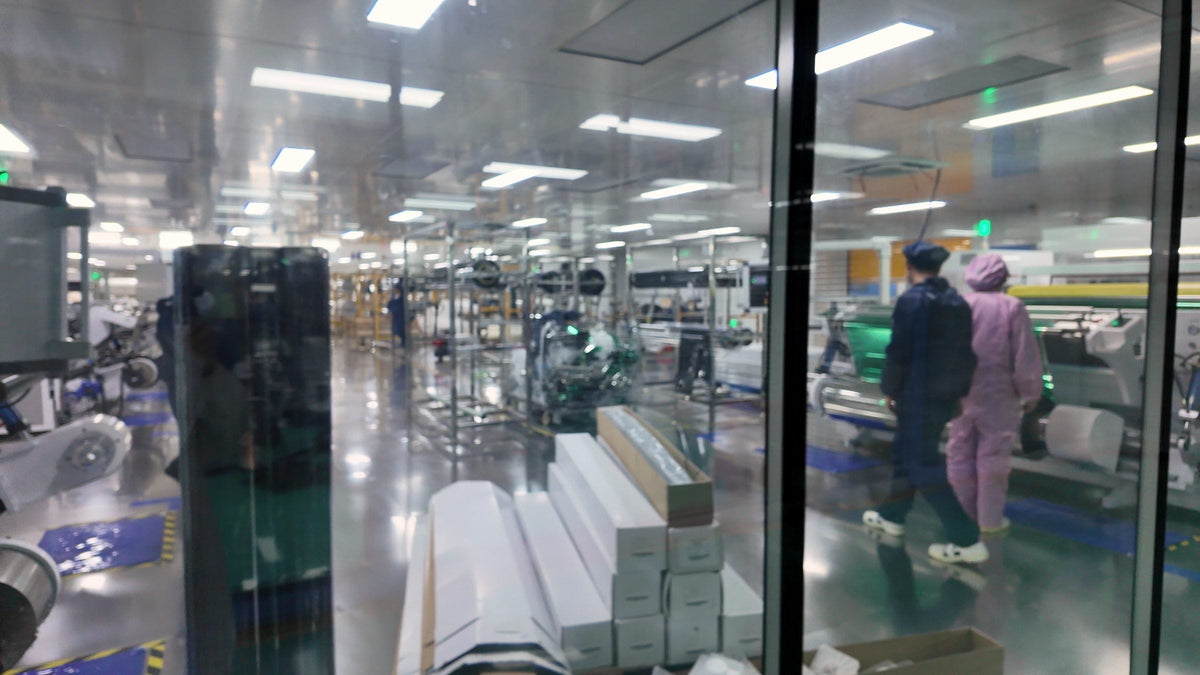
HIGHCOOL approaches the market with a “rational answers” mindset: focusing on controlled manufacturing, repeatable material performance, and installer-friendly behavior that stays predictable over time—because that’s what reduces surprises when customers reach PPF end of life years later.

FAQ 

What does “PPF end of life” mean?

It means the film has reached a point where appearance, adhesion, or removability is deteriorating enough that replacement or removal is the smarter option—even if it’s still providing some protection.

How long does PPF last in the real world?

Most quality films last roughly 5–10 years depending on climate, maintenance, and driving conditions.

What are the most common signs that PPF is worn out?

Haze, yellowing, edge lifting, dirt lines that won’t clean out, cracking on curves, and stains that become permanent are the most common.

Can I remove old PPF myself?

Sometimes, but it becomes riskier as film ages—especially on repainted panels or brittle film. Controlled heat and proper technique are important.

Should I replace the whole car’s PPF or just high-impact areas?

Many owners get the best ROI by replacing high-impact areas (bumper, hood, mirrors, rockers) instead of doing full replacement.

Contact Us

This site is protected by hCaptcha and the hCaptcha Privacy Policy and Terms of Service apply.

Latest Stories

View all

PPF Highway Driving: 9 Powerful Ways to Stop Rock Chips

PPF Highway Driving: 9 Powerful Ways to Stop Rock Chips

This article explains how PPF highway driving changes the protection game: rock chips, bugs, tar, salt, and heat cycling punish the front end faster than city use. It outlines nine practical strategies to reduce PPF rock chips highway damage—starting with coverage choices (bumper, hood, fenders, mirrors), seam/edge execution, and maintenance habits that matter for high-mileage owners. It also clarifies removal timing, showing when PPF removal is generally safe and when it becomes risky or expensive due to brittleness, adhesive residue, or compromised paint. Finally, it naturally positions Highcool as a B2B source factory supplying PPF, color change film, and window film with a focus on consistency for real-world driving demands.

Read more

PPF Failure Signs: 10 Brutal Tests to Spot Real Damage

PPF Failure Signs: 10 Brutal Tests to Spot Real Damage

This guide explains how to distinguish PPF failure signs from normal aging by using 10 practical tests: edge lift progression, late-stage bubbling, yellowing patterns, haze/clarity changes, cracking, delamination, persistent stains, hydrophobic drop-off, tactile brittleness, and age/environment context. PPF aging vs damage matters because many issues are cosmetic or cleanable, while structural problems (cracking, delamination, widespread lift) require replacement. If multiple failure signs appear—especially on older films—when replace PPF is usually “sooner rather than later,” because brittle film and delayed removal can increase cost and risk.

Read more

PPF Warranty: 11 Painful Truths Buyers Must Know

PPF Warranty: 11 Painful Truths Buyers Must Know

A PPF warranty typically covers defined manufacturing defects—not every form of aging or cosmetic change. The most common exclusions involve normal wear, chemical staining, maintenance-related damage, installation errors, and removal risks (especially on repainted panels). Buyers should compare warranties by definitions, conditions, remedy, and proof requirements—not just years. Proper documentation, warranty registration, and basic care dramatically improve the chance of a smooth claim experience. From a factory perspective, consistent TPU chemistry, durable UV stabilization, and predictable adhesive aging help reduce warranty disputes long before paperwork is needed.

Read more