
PPF stops most highway rock chips by taking the impact in the film instead of the paint, as long as it covers the right panels and the edges are finished well. It will not make a car immune. A big stone behind a gravel truck can still punch through. But on a car that does long freeway miles, good coverage and a clean install are the difference between a chipped front end and one that still looks right after a few years.
This guide is for drivers who spend real time on the highway and for the shops that protect their cars. We make Paint Protection Film and sell it by the roll to installers, so the advice below is about coverage, edges and care, the parts that decide how the film holds up at speed.
Why highway driving is hard on paint
City driving gives paint swirls, light scratches and parking dings. Highway driving gives it impacts. At 60 to 80 mph, sand works like sandblasting and small gravel leaves chips. The front end takes most of it: the bumper, the leading edge of the hood, the mirrors and the front of the fenders.
Bugs are the second problem. Their remains are acidic and bake on in the sun, and airflow dries them onto the surface before the next stop. Tar and rubber stick hard and attract dirt. In snow states, salt and brine get into every gap. PPF handles the impacts and keeps the contaminants off the clear coat, so it is one of the few upgrades that protects the front end instead of only making it shine.
Cover the panels that actually get hit
Many packages are sold by what sounds standard, like a partial hood and partial fenders. For a car that does freeway miles, base coverage on where the chips land: the full front bumper, which takes the most hits; the hood, starting with the leading edge; the front fenders, from tire throw and grit off other lanes; the mirrors; and on SUVs and EVs, the A-pillars and the front edge of the roof.
A full hood usually holds up better than a partial one on a highway car. The edge of a partial hood creates a line across the panel. Dirt collects there, the line shows over time, and it is one more edge that can lift.
Treat the bumper as its own job
The front bumper is the hardest panel. It is curved, it has sensors and vents, and it is hit constantly. A good shop puts seams where they are least visible, wraps edges where it can, avoids overstretching the film at high-stress corners, and lines the film up cleanly around sensors. A bumper that looks fine on the day it leaves the shop can turn into the first failure after a few months of heat cycling and pressure washing if the stretch and edges were rushed.
Thickness is only part of it
Customers often ask how thick the film is. Thickness matters, but for highway chips it is not the whole answer. How the film absorbs and recovers from impact, how well the topcoat resists staining and haze, how stable the adhesive is at the edges, and how clear the film looks all count as much. A thick film with poor clarity or edges that lift will disappoint, especially on white cars, where defects show quickly. Our post on what PPF thickness does and does not tell you goes into this.
Edges matter more on highway cars
At speed, every edge is under steady stress from airflow, heat expansion, wash pressure and dirt. Once an edge lifts, dirt gets under it and the lift spreads. Ask for edges tucked or wrapped wherever the panel allows, avoid exposed cut lines in the areas that take the most hits, and do not accept visible lifting as normal. Our guide to why PPF lifts or peels covers the adhesive and install causes.
In snow states, salt and brine creep into edges and gaps. That leads to dirty edge lines, small lifts that grow, and stains that can look like yellowing. For winter commuters, a good edge finish and a rinse after salty drives matter more than most people expect.
Wash a highway car more often
The film can take a lot, but bug remains and tar left for days are harder to remove and can dull the topcoat. Rinse the front end soon after long drives, use a bug remover that is safe for film when you need one, avoid strong alkaline cleaners as a habit, and use clean wash mitts so you do not add swirl marks to the film.
Glass is a separate problem
PPF protects paint, not glass. Highway drivers who get paint chips often get windshield chips too. Windshield protection film is a separate product, so check that it is legal where you drive. The cheapest protection of all is following distance, especially behind trucks.
What PPF cannot do
On gravel roads or close behind trucks, film can still be punctured. A hard enough hit can dent the panel under the film, and the film cannot stop that. Scuffs may need heat to self-heal or a light polish. The aim is fewer chips and paint that is still original underneath, not a front end that never gets a mark.
Plan replacement before the film gets brittle
Highway cars wear film faster. Widespread pitting, haze that will not clean off, several lifted edges, or cracks near corners are signs it is time to replace sections. Do not wait too long. Film that is still within its service life, removed with proper heat by someone who knows the job, usually comes off original paint cleanly.
Removal gets risky when the film is old and brittle and tears as you pull it, when heavy adhesive residue needs aggressive cleanup, when the panel has been repainted or the clear coat is weak, or when years of sun have baked the film on. The later the removal, the more labor it takes and the higher the risk to the paint. Cheap film tends to reach that point sooner, which is one of the costs covered in our post on the hidden costs of cheap PPF.
Questions to ask a shop or supplier
These questions keep the conversation on how the film will hold up rather than on price:
- What coverage do you recommend for freeway rock chips on this car?
- How do you finish edges on the bumper and the hood?
- Where will the seams go on the bumper?
- How do you stop edge lift at the high-stress corners?
- What aftercare do you recommend for a car that collects a lot of bugs?
- What warranty comes with the film, and how is a claim traced to the roll?
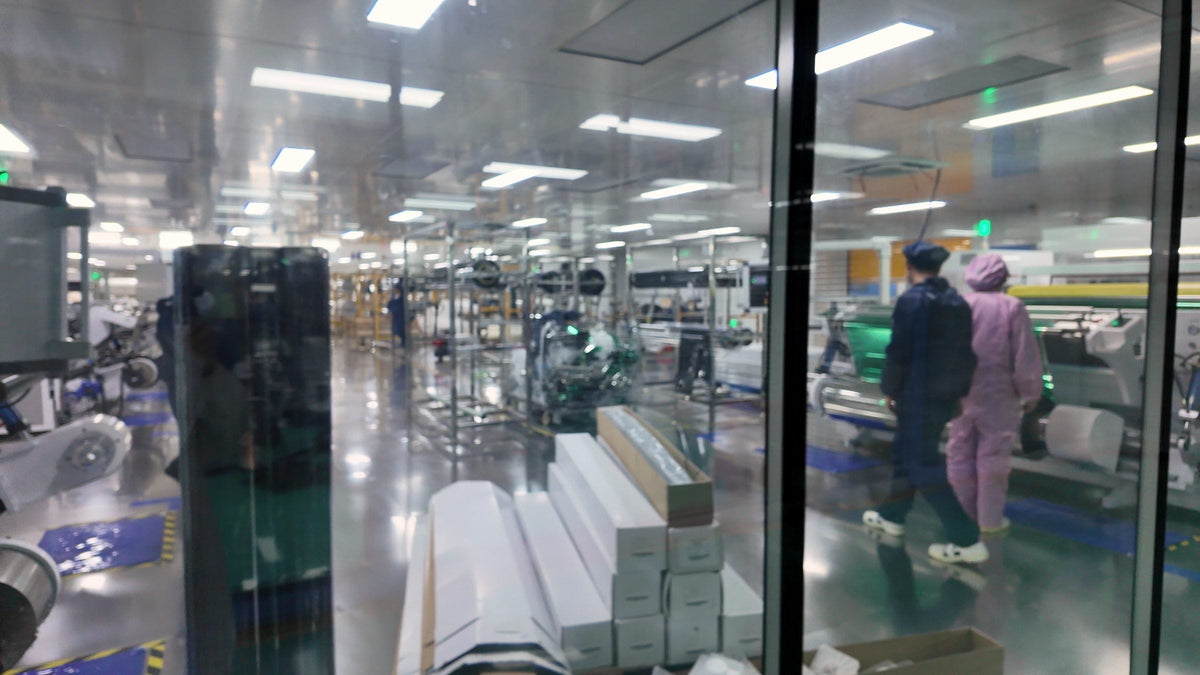
From a factory's side, highway cars are the hardest real-world test of a film because they expose every weakness at once: edge stability, topcoat wear, staining and clarity. Shops that serve high-mileage drivers tend to care less about marketing and more about whether every roll handles the same way. Our PPF warranty runs 5 to 10 years by grade, and each roll carries its own code so a claim can be traced to the batch.
If you protect a lot of commuter and road-trip cars, ask us for free A4 PPF samples to test on a bumper before you order; they ship from our US stock, and you cover the shipping.
FAQ
Does PPF actually stop rock chips on the highway?
PPF prevents most highway rock chips by absorbing the impact before it reaches the paint. Very hard hits can still puncture the film or dent the panel. It greatly reduces chips, but it does not make the car immune.
What is the best PPF coverage for highway driving?
For most highway drivers, the best value is the full front bumper, full hood, front fenders and mirrors. High-mileage SUVs and EVs often add the A-pillars and the front edge of the roof. A full hood avoids the visible line and extra edge that a partial hood leaves.
Is it safe to remove PPF from a high-mileage car?
Removing PPF is usually safe if the film comes off before it turns brittle and the installer uses proper heat. The risk goes up with old, sun-baked film and with repainted panels. Replace worn sections early rather than waiting until the film tears on removal.

Share:
How to Spot PPF Failure
Windshield Protection Film vs Window Tint: Which Earns More for a Shop?