When a customer complains that paint protection film is “peeling,” “lifting,” or “not sticking,” the first thing people blame is the film brand. But in most real-world failures, the hidden driver is the glue system. PPF adhesive is the part nobody sees on install day, yet it dictates whether edges stay locked down through heat cycles, washing, and road grime—and whether the film removes cleanly years later without leaving a nightmare behind.

That’s why serious installers judge a product as much by its adhesive behavior as by its gloss, thickness, or self-healing. For consumers, adhesive quality determines whether your PPF looks clean and factory-tight after two summers. For B2B buyers, adhesive stability determines something even more important: callbacks and reputation. The same film can look perfect on day one and still fail later if the paint protection film adhesive wasn’t engineered for real-world stress or if installation conditions weren’t controlled.

In this guide, we’ll explain what PPF adhesive actually is, what causes PPF edge lift, how PPF removal adhesive behaves at end-of-life, and how to choose films that reduce both lift risk and removal risk. We’ll also cover the installer-side techniques that make or break adhesion—because even a great adhesive can fail if prep and finishing are wrong.

Suggested internal links for your cluster:


Why Adhesive Is the “Quiet Decider” in PPF Success

Most customers judge PPF visually: clarity, gloss, texture, and how invisible it looks on the paint. Adhesive performance is mostly invisible—until it becomes painfully visible. Edge lift, dirt lines, bubbling at corners, and peeling after a winter or two are all symptoms of adhesion problems.

But “adhesion problem” is a broad label. PPF adhesive is a pressure-sensitive system that must do three hard things at once:

  1. Bond strongly enough to survive heat, water, and cleaning chemicals

  2. Stay stable as the film expands and contracts with temperature changes

  3. Remove safely later without damaging paint or leaving heavy glue residue

When one of those gets compromised—by poor formulation, poor processing, bad prep, overstretching, or harsh environment—failures appear. The most common failure is PPF edge lift, because edges are where stress concentrates and contaminants attack first.


What Is PPF Adhesive Made to Do?

Without going too deep into chemistry, most modern PPF adhesive systems behave like this:

  • Initial tack: how quickly the film grabs during install

  • Repositioning window: how forgiving it is before it “sets”

  • Build strength over time: adhesive typically gains bond strength as moisture evaporates and pressure/heat help it wet out against the clear coat

  • Clean removability: the adhesive should release without tearing or leaving heavy residue at end-of-life, assuming correct technique

The key concept for both C-end and B2B audiences is balance. A glue system that bonds too aggressively can remove poorly later. One that’s too gentle can lift at edges. A premium adhesive is engineered to balance bond strength, stability, and removability.


PPF Adhesive: 9 Shocking Reasons Films Lift or Remove Poorly

1) The edge is a stress amplifier (and adhesive weakness shows there first)

Edges are where film tension, airflow, wash pressure, and contamination meet. Even with a good PPF adhesive, poor edge finishing can create micro-gaps. Once a gap exists, water and dirt work like wedges, making lift worse over time.

Installer tip: clean edges, proper squeegee pressure, correct post-heat, and consistent edge wrapping (where allowed) are non-negotiable.

2) Surface preparation is the biggest controllable factor

Many lift cases aren’t “bad glue.” They’re contamination. Wax, sealant, ceramic coating overspray, road film, silicone-based dressings, and even oily fingerprints can block adhesive wet-out. The film sticks to the contamination layer, not the paint—and eventually that layer fails.

If you want fewer PPF edge lift complaints, surface prep is the most profitable place to invest time.

3) Overstretching changes adhesive behavior

Stretching PPF changes thickness and tension. Overstretching at corners or tight curves can thin the adhesive layer and create “memory” pull-back, where the film tries to return to its original shape and tugs on the edge.

This is why a film can look perfect right after install and lift days later—especially around bumpers, mirrors, and complex fender shapes.

4) Temperature and humidity shift the install window

Adhesive performance is sensitive to temperature. Too cold and the adhesive doesn’t wet out. Too hot and the film can grab too fast, trapping moisture or making repositioning difficult. High humidity can slow drying and create haze lines that installers misinterpret as adhesive failure.

For B2B, this matters because it affects labor time and consistency across seasons.

5) “Hard washing” attacks edges first

High-pressure washers, aggressive nozzle angles, and repeated automatic wash brushes can accelerate edge lift even on good adhesives. The adhesive may be stable, but the mechanical force is simply too concentrated at the edge.

Consumer takeaway: if you want long-term adhesion, avoid blasting edges at close range and avoid harsh brush tunnels.

6) UV and heat cycles age adhesives just like they age polymers

People talk about UV damage causing yellowing, but adhesives also age. Heat cycles can slowly change adhesive elasticity and bond behavior. Some systems become brittle; others become overly “grabby,” increasing PPF removal adhesive residue risk.

That’s why long-term adhesion and removability are linked: the adhesive that survives years must also be engineered to release cleanly later.

7) Paint type and repaint quality change bonding risk

OEM clear coat is usually predictable. Repainted panels vary. Softer clears, poor cure, or incompatible paint chemistry can increase removal risk or cause lifting if the surface energy is unstable.

This is where shops get into disputes: the film becomes the scapegoat for paint problems. A smart shop documents paint history and sets expectations up front.

8) Poor edge sealing habits can hide the real issue

Some installers use additional edge sealers as a shortcut. Edge sealers can help in specific scenarios, but they can also mask improper prep or overstretching. Overuse can create visible lines, attract dirt, and complicate future removal.

A premium installation relies on correct film behavior and correct finishing, not “extra glue.”

9) End-of-life removal is where adhesive design proves itself

Customers rarely think about removal when they buy PPF. But at year five to ten, removability becomes the whole story. A good PPF removal adhesive system should peel with controlled heat, release without tearing, and leave minimal residue.

Removal issues usually happen when:

  • the film is very aged and baked on

  • the vehicle lived outdoors in intense sun

  • removal is done cold or too fast

  • the panel is repainted

  • the adhesive system was not designed for clean release

For B2B partners, removal risk affects your long-term brand reputation because customers remember removal pain more than install day perfection.


How to Reduce PPF Edge Lift (What Installers Actually Do)

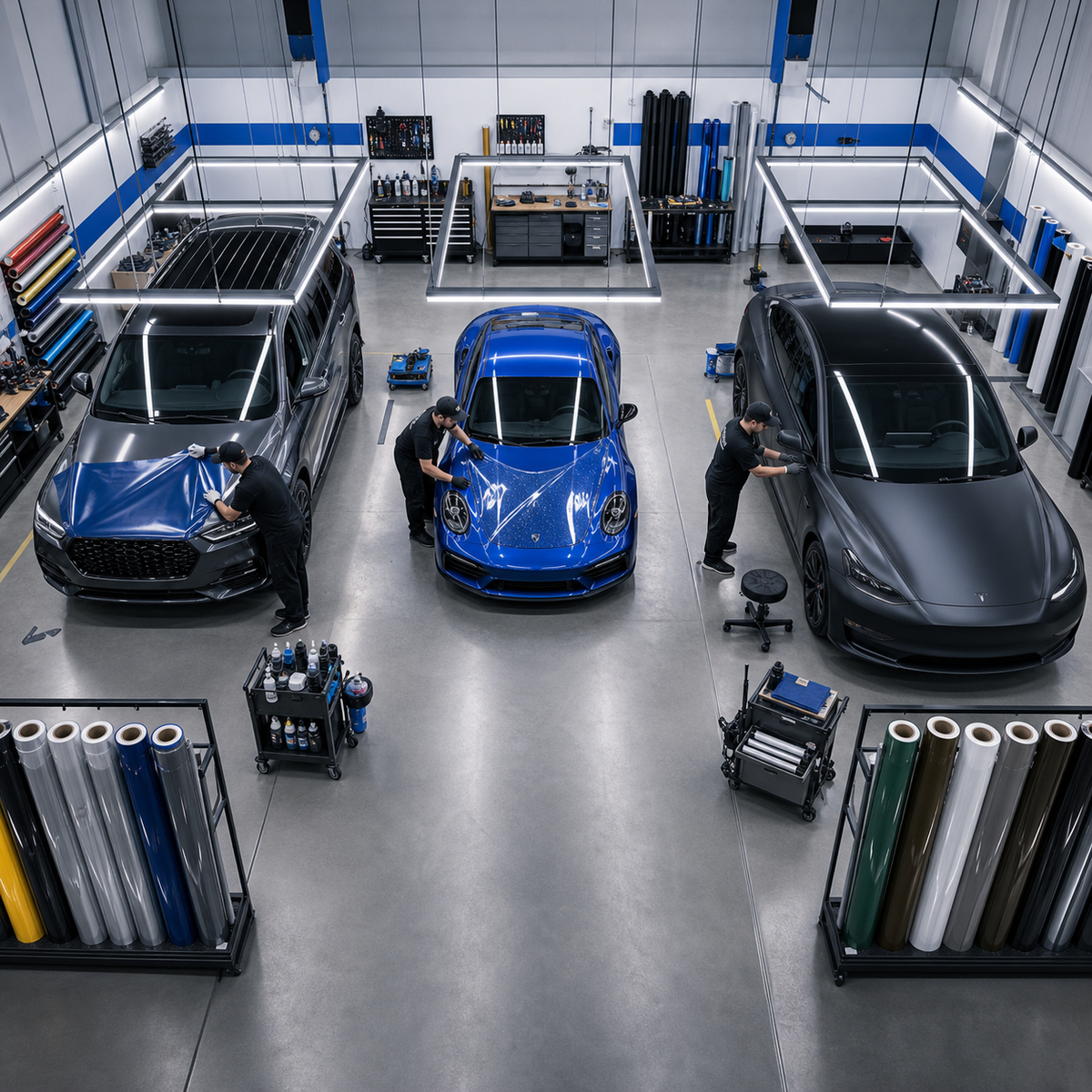
A useful article shouldn’t only diagnose; it should guide. Here’s the practical approach professional installers take to reduce PPF edge lift:

Step 1: Control the surface energy

Proper wash, decontamination, and paint-safe panel wipe remove waxes, silicones, and oils. If the vehicle was recently detailed, the installer confirms what products were used. This prevents invisible contamination layers.

Step 2: Match solution use to adhesive behavior

Slip and tack solutions influence how the PPF adhesive wets out. Too much slip and you delay bonding; too much tack and you risk grabbing prematurely. Consistency matters more than “secret recipes.”

Step 3: Respect stretch limits

On complex corners, skilled installers avoid overstretching by using relief techniques, proper pattern alignment, and controlled post-heating. A film that is installer-friendly helps, but technique is still key.

Step 4: Post-heat and edge lock

Post-heating isn’t about blasting heat randomly. It’s about setting the film memory and encouraging adhesive wet-out, especially at edges. Correct edge squeegee technique, combined with controlled heat, is what creates the “locked” look over time.

Step 5: Educate the customer for the first week

The first week is when adhesion is building. Shops that reduce failures tell customers:

  • avoid pressure washing edges

  • avoid harsh chemicals

  • do not pick at edges

  • allow curing time before extreme washing

This is not overprotective; it’s how the adhesive system stabilizes.


What to Look for When Buying Film (C-end + B2B)

If you’re buying as a consumer, you want low lift risk and clean removal later. If you’re buying as a distributor, you want stable performance across batches.

Ask these questions:

  1. How does the film behave on complex curves (installer feedback)?

  2. What is the known risk profile for PPF edge lift on bumpers/mirrors?

  3. Does the brand provide clear care guidance to reduce early failures?

  4. What is the long-term removal experience like in high-UV climates?

  5. Is the adhesive designed for stable aging and clean removal?

This is a better evaluation method than comparing only thickness or warranty years.


Where Highcool Fits (Natural Factory Mention, B2B Supply)

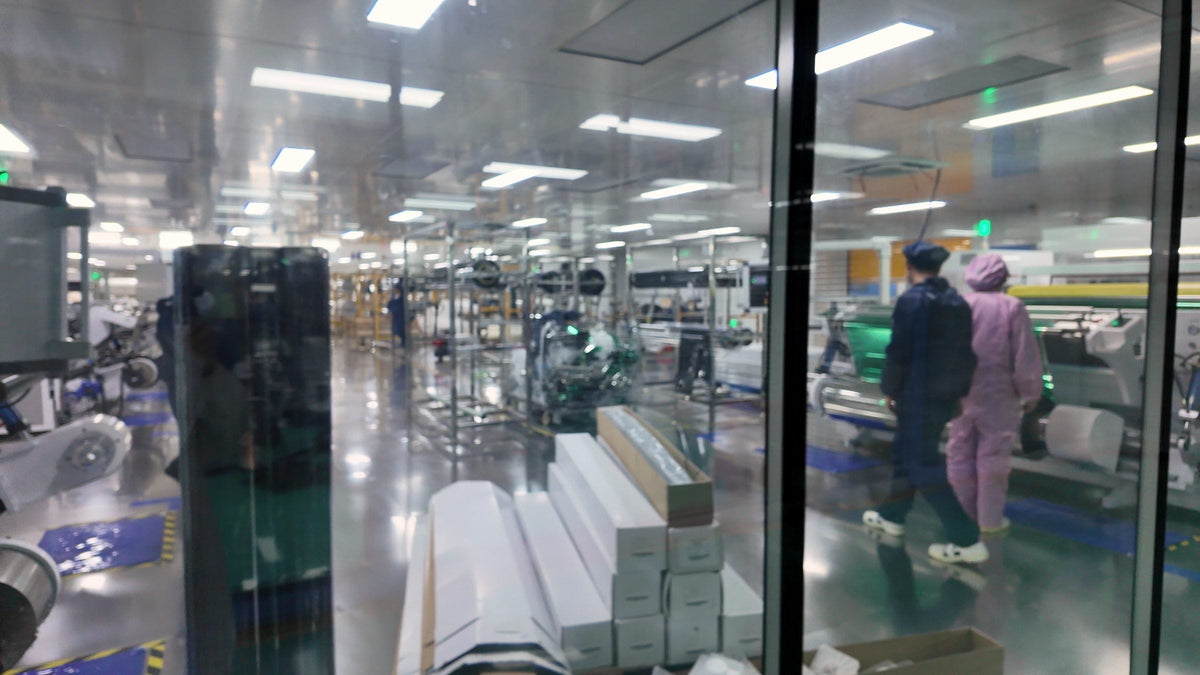
From a factory viewpoint, adhesive is not an accessory—it’s half the product. Film clarity and self-healing sell the film, but PPF adhesive performance protects the installer’s reputation long-term. That’s why serious B2B buyers evaluate edge stability, adhesive aging, and clean removability in addition to optical performance.

Highcool is a source factory supplying B2B partners with a full protective and styling portfolio: PPF, color change film (vinyl / styling film), and window film. For distributors and installers, the goal is predictable installation behavior and stable long-term outcomes—especially around edge performance and end-of-life removability—because those are the areas where customers judge quality most harshly.


Conclusion: Adhesive Is the Real Performance Story

PPF can be thick, glossy, and self-healing—and still fail if the PPF adhesive system isn’t stable or if installation prep and finishing are poor. Edge lift and removal problems are not random. They are predictable outcomes caused by surface contamination, overstretching, climate stress, wash behavior, adhesive aging, and paint condition.

If you want fewer regrets, evaluate film systems like an installer: edge stability, adhesive wet-out, controlled bonding, and clean removal are the real indicators of long-term quality.

FAQ

1) What is PPF adhesive, and why does it matter?

PPF adhesive is the pressure-sensitive bonding layer that holds the film to your clear coat. It determines whether edges stay down over time and whether removal leaves residue.

2) Why does PPF edge lift happen?

PPF edge lift is usually caused by contamination (wax/oils), overstretching on corners, poor edge finishing, or aggressive washing. Edges are where stress and contamination concentrate first.

3) Can edge lift be fixed without replacing the film?

Sometimes. Small lifts can be corrected if addressed early with proper cleaning, controlled heat, and re-squeegeeing. Severe contamination under the edge usually requires replacement of that section.

4) Does PPF adhesive get stronger over time?

Yes. Most adhesives build bond strength as moisture evaporates and the adhesive wets out under pressure and heat cycles. The first week is important.

5) Will pressure washing lift PPF?

It can, especially if the nozzle is too close or aimed directly at edges. It’s safer to keep distance and avoid blasting edges at sharp angles.

6) Why does PPF leave glue when removed?

PPF removal adhesive residue can happen when film is very aged, baked by sun, removed cold, or removed too fast. Paint type (especially repaints) also increases residue risk.

7) Is PPF safe to remove from repainted panels?

It can be riskier. Repaint quality varies, and weaker clear coat adhesion can lift during removal. A professional should assess the repaint and use controlled heat and technique.

8) Is adhesive quality the same across all TPU PPF?

No. Two TPU PPF films can look similar but behave very differently due to adhesive design and aging stability. Adhesive is a major differentiator for B2B sourcing.

9) How do I choose PPF that won’t lift?

Choose a reputable installer, follow aftercare instructions, and select film systems known for stable edge behavior and predictable removability—not just “thickness” or “warranty years.”

Contact Us

This site is protected by hCaptcha and the hCaptcha Privacy Policy and Terms of Service apply.

Latest Stories

View all

Best PPF for Black Cars: Optical Clarity & Swirl Guide

What's the Best PPF for Black Cars? The best PPF for black cars needs 3 properties: 95%+ optical clarity to avoid haze, premium self-healing TPU for swirl marks (which show easily on black), and aliphatic polymer formulation to prevent yellowing...

Read more

Does Matte PPF Hurt Resale Value More Than Gloss?

This guide breaks down the resale value math, why matte affects buyers differently than gloss, the Cybertruck-specific data that flips the usual pattern, maintenance difficulty differences, who actually buys matte-finished vehicles, install cost differences, and whether you can convert from matte to gloss PPF if your situation changes.

Read more

Self-Healing PPF Test: Heat Recovery Results & Data

This guide breaks down how self-healing works at the material level, repeatable test methods you can run at home, recovery time benchmarks by temperature, the depth limits of self-healing, brand performance differences, and when self-healing stops working entirely on aging film.

Read more