PPF UV resistance is the quiet performance trait that separates a film that stays “invisible” for years from one that slowly turns cloudy, warm-toned, or uneven—especially on white paint and light colors. Yet most buyers still shop PPF the same way they shop a screen protector: they compare thickness, price, and warranty years, then assume durability is solved. In reality, long-term PPF performance is an oxidation problem before it’s a thickness problem. Sunlight, heat cycles, and airborne pollution create the slow damage that owners notice around year two to five: yellowing, haze, loss of gloss, and topcoat staining.

This article explains the role of UV stabilizers—what they do, where they sit inside modern PPF construction, why they can’t “guarantee” perfect clarity forever, and how to evaluate films more intelligently. It’s written for both C-end searches (like “best PPF for cars,” “does PPF yellow,” “PPF worth it,” “how long does PPF last”) and B2B sourcing questions (like “UV stabilizer PPF,” “TPU PPF formulation,” “PPF material quality,” “yellowing prevention specs,” “long-term clarity”). If you sell or install PPF, it also helps you explain expectations clearly—reducing warranty disputes caused by misunderstanding what UV protection really means.

  • /blog/tpu-ppf-9-powerful-signs-of-truly-premium-film

  • /blog/ppf-thickness-9-shocking-truths-most-buyers-miss

  • /blog/ppf-warranty-11-painful-truths-buyers-must-know

  • /blog/ppf-end-of-life-7-shocking-mistakes

  • /blog/ppf-comparison-10-shocking-bias-tricks-you-must-know


Why UV Stability Is the “Real” Lifespan of PPF

Most PPF failures don’t start with a rock chip. They start with chemistry. A film can still protect paint from impacts while looking tired: slightly yellow, slightly hazy, less glossy, and harder to clean. That’s why PPF UV resistance matters so much. When the film loses optical stability, owners treat it as “failed,” even if it’s still physically intact.

UV damage is also uneven. Horizontal panels—hood, roof, trunk—take more sun than doors. A car parked outside in Arizona ages differently than the same car garage-kept in Germany. Add heat cycles, road film, harsh soaps, and city pollution, and you get a complex aging environment. This is why “my friend’s PPF looks fine after five years” is not proof that every film will behave the same for you.

So, before we talk stabilizers, it helps to define the enemy: photo-oxidation (UV-driven chemical change) and thermal oxidation (heat-driven change). Both reduce clarity over time and both are affected by the film’s stabilizer system.


The PPF Construction Layer Where UV Defense Happens

A modern TPU PPF is typically a layered system:

  1. Topcoat – the surface that provides self-healing, stain resistance, hydrophobicity, and gloss retention.

  2. TPU core – the impact-absorbing elastomer layer that gives PPF its “armor” behavior.

  3. Adhesive – the bonding layer that must stick reliably but still remove cleanly years later.

  4. Release liner – removed during installation.

UV defense is not only “one thing.” PPF UV resistance is a combined effect of the topcoat chemistry, stabilizers inside the TPU layer, and additives that protect the adhesive from degradation. When a brand claims “anti-yellow,” the most important question is: where is the protection engineered, and how is it balanced across layers?


UV Stabilizer PPF: What Stabilizers Actually Do (and Don’t)

The term UV stabilizer PPF usually refers to additive packages that slow down polymer breakdown under UV exposure. In practical terms, these additives reduce the chemical reactions that produce yellowing, haze, and embrittlement.

There are two broad stabilizer categories you’ll hear about in polymer engineering:

  • UV absorbers: They reduce the UV energy reaching vulnerable polymer bonds by absorbing UV radiation and releasing it as low-energy heat.

  • Hindered amine light stabilizers (HALS): They interfere with the free-radical chain reactions that drive photo-oxidation, helping the polymer “survive” sunlight longer.

You don’t need to memorize chemistry to use this information. The key is understanding that stabilizers are not magic shields. They are consumable protection. Over time, stabilizers can be depleted or overwhelmed by harsh conditions. That’s why serious suppliers talk about “resistance” and “stability,” not “never yellow.”

So, PPF yellowing prevention is not a yes/no feature. It’s a design decision: how much stabilizer is used, how it’s distributed, how well it’s compatible with the TPU and topcoat, and how the film is manufactured and cured.


PPF UV Resistance: 9 Powerful Truths You Should Use to Compare Films

1) UV stability is a system, not a single additive

Some product pages talk as if one “UV stabilizer” solves everything. In reality, stabilizer systems are tuned to the specific TPU structure and topcoat design. You can add a lot of stabilizer and still get poor results if the formulation isn’t balanced or if processing quality is inconsistent.

What to ask (B2B): Is the UV package designed for the TPU core only, or also for topcoat and adhesive stability?

2) Topcoat chemistry often determines early appearance changes

Owners usually notice surface staining and micro-haze before deep yellowing. That’s topcoat territory. Even with a strong stabilizer package inside the TPU, a weak topcoat can lose gloss and clarity sooner. That makes the film look “old” even if the core is stable.

Consumer takeaway: Don’t evaluate PPF UV resistance only by “yellowing.” Evaluate long-term clarity and cleanability.

3) Heat is the amplifier that most comparisons ignore

UV starts the reaction; heat accelerates it. A car parked in direct sun behind glass (greenhouse effect) experiences higher surface temperatures, increasing oxidation speed. This is why two identical films can age differently depending on parking habits.

PPF yellowing prevention is partly a lifestyle issue: garage vs outdoor, covered parking vs open lot.

4) White cars expose UV weakness faster than dark cars

Yellowing is easier to see on white paint. Dark colors may show haze or texture changes more clearly. So “it looks fine on my black car” isn’t proof the film has high PPF UV resistance—it may simply be harder to notice color shift.

5) Stabilizers don’t protect against everything that looks like yellowing

Sometimes the “yellow” look is actually staining: road film, iron fallout, insect residue, or hard water minerals embedded in the surface. This is where topcoat stain resistance and washing habits matter more than stabilizers.

Practical point: If a film looks warm-toned, proper decontamination might restore clarity—if the topcoat is good. If the polymer has oxidized, cleaning won’t reverse it.

6) Adhesive stability is part of UV performance

People rarely talk about adhesive when discussing PPF UV resistance, but UV and heat cycles can change adhesive behavior over time. A stable adhesive reduces edge failures and improves removability years later. An unstable adhesive can contribute to edge lines, contamination trails, or difficult removal that owners interpret as film failure.

7) “Warranty years” is not a UV stability measurement

Warranties vary by definition and exclusions. Some focus on cracking, peeling, or bubbling; others include yellowing under specific conditions. A 10-year warranty doesn’t prove 10-year optical clarity, and it doesn’t guarantee easy claims.

A smart UV stabilizer PPF evaluation uses test logic (what was tested and why) plus realistic service-life expectations for the customer’s environment.

8) Processing quality can defeat good chemistry

Even a strong formulation can perform inconsistently if manufacturing control is weak—poor mixing, contamination, uneven curing, or unstable thickness tolerances. That’s why B2B buyers care about batch consistency and long-term stability across production runs.

For installers: Inconsistent batches create inconsistent outcomes, which become “brand problems” in customers’ eyes.

9) Maintenance is a real part of UV resistance

Sunlight does chemical damage, but surface contamination often triggers visible damage first. Bug acids, bird droppings, and road grime can etch or stain the topcoat, making the film appear older than it is. When owners wash with harsh alkaline cleaners or repeatedly use automatic brushes, micro-haze accumulates faster.

A film with high PPF UV resistance still benefits from correct washing, quick contaminant removal, and periodic decon that matches the brand’s care guidance.


How to Talk About PPF Yellowing Prevention Without Overpromising

If you sell PPF, “anti-yellow” is a tempting headline. But overpromising creates future conflict. A better education-first approach sounds like this:

  • The film is engineered for PPF UV resistance using stabilizer systems and a durable topcoat.

  • All polymers age; the goal is to slow oxidation and maintain clarity for the intended service life.

  • Real outcomes depend on climate, parking, wash habits, and panel exposure.

This tone builds trust because it sets realistic expectations while still emphasizing engineered protection.


What Buyers Should Ask Before Choosing a Film

Whether you’re a consumer or a distributor, these questions produce better decisions than “how thick is it?”

  1. What topcoat technologies are used for stain resistance and clarity retention?

  2. How is UV stabilizer PPF engineered—core only, or system-wide?

  3. What is the expected service-life in high-UV, outdoor-parked conditions?

  4. What are the care guidelines for preventing staining that looks like yellowing?

  5. How does the adhesive behave after years—clean removal and edge stability?

This is how you turn PPF UV resistance from a buzzword into an evaluation tool.


Where Highcool Fits (Natural Factory Mention, B2B Perspective)

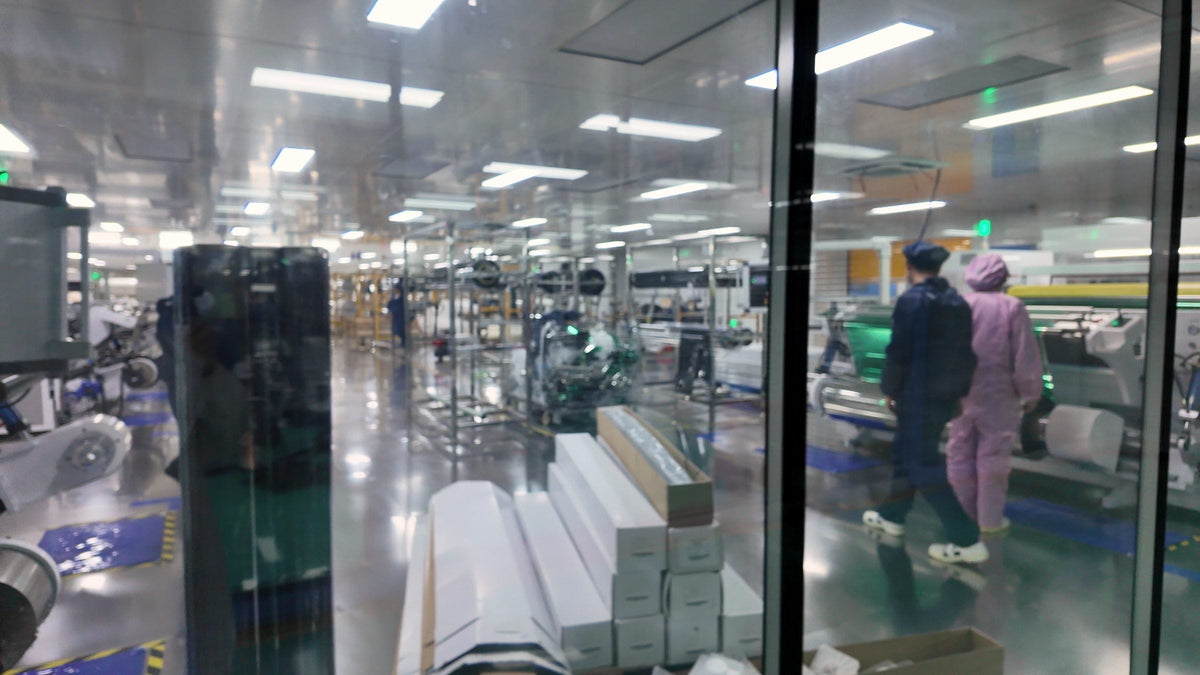
From a manufacturing perspective, UV performance is not a single marketing claim—it’s a design discipline. The goal is to deliver consistent long-term clarity and stable aging behavior across batches, because that’s what reduces the hidden costs for B2B partners: rework, callbacks, and customer disappointment around year three to five.

Highcool is a source factory serving B2B customers with a full protective film lineup: PPF, color change film (vinyl / styling film), and window film. When distributors and installers evaluate films for long-term performance, focusing on PPF UV resistance—topcoat durability, stabilizer system design, and adhesive stability—creates better outcomes than chasing headline specs like thickness alone.

(Internal link ideas that support this positioning: /ppf, /vinyl-wrap, /window-tint, /contact) 


Conclusion: UV Stabilizers Are the Backbone of Long-Term Clarity

If you care about how PPF looks after years—not just how it looks on install day—you should treat PPF UV resistance as a primary buying category. UV stabilizers slow polymer degradation, but they work best as part of a complete system: a durable topcoat, stable TPU formulation, reliable adhesive aging, and consistent manufacturing control. Add realistic maintenance habits and environment-specific expectations, and you get the real win: a film that stays clear, cleans easily, and looks like it belongs on the car.

FAQ (Customer-First, High-Intent)

1) What does PPF UV resistance actually mean?

PPF UV resistance describes how well the film maintains clarity and stability when exposed to sunlight and heat over time. It’s influenced by stabilizers, topcoat design, and TPU chemistry.

2) Does all PPF eventually yellow?

All polymers can age, but premium films are engineered for PPF yellowing prevention to slow oxidation and maintain clarity longer. The timeline depends heavily on climate and parking habits.

3) What are UV stabilizers in PPF?

UV stabilizer PPF typically refers to additive systems that absorb UV energy or interrupt oxidation reactions, helping the film resist yellowing and haze.

4) Why does PPF yellow faster on some cars?

Outdoor parking, intense sun, high heat cycles, and pollution accelerate aging. White paint also makes yellowing more visible, while dark colors show haze more easily.

5) Is yellowing always permanent?

Not always. Sometimes the “yellow” appearance is surface staining or contamination. Proper cleaning and decontamination can help if the topcoat is still healthy. If the polymer has oxidized, cleaning won’t reverse it.

6) Does thicker PPF have better UV resistance?

Not necessarily. PPF UV resistance is more influenced by stabilizer systems and topcoat chemistry than thickness alone.

7) How can I reduce yellowing risk after installation?

Park in shade when possible, wash with film-safe products, remove bug splatter and bird droppings quickly, avoid harsh chemicals, and follow the film brand’s care guidance.

8) Do warranties cover yellowing?

It depends on the warranty definitions and exclusions. Always check whether “yellowing” is covered, under what conditions, and whether labor is included.

9) Is UV resistance important if I also use ceramic coating on top of PPF?

Yes. Ceramic coatings can help with cleaning and surface resistance, but the film still relies on its own stabilizer and topcoat system for long-term UV stability.


Contact Us

This site is protected by hCaptcha and the hCaptcha Privacy Policy and Terms of Service apply.

Latest Stories

View all

Best PPF for Black Cars: Optical Clarity & Swirl Guide

What's the Best PPF for Black Cars? The best PPF for black cars needs 3 properties: 95%+ optical clarity to avoid haze, premium self-healing TPU for swirl marks (which show easily on black), and aliphatic polymer formulation to prevent yellowing...

Read more

Does Matte PPF Hurt Resale Value More Than Gloss?

This guide breaks down the resale value math, why matte affects buyers differently than gloss, the Cybertruck-specific data that flips the usual pattern, maintenance difficulty differences, who actually buys matte-finished vehicles, install cost differences, and whether you can convert from matte to gloss PPF if your situation changes.

Read more

Self-Healing PPF Test: Heat Recovery Results & Data

This guide breaks down how self-healing works at the material level, repeatable test methods you can run at home, recovery time benchmarks by temperature, the depth limits of self-healing, brand performance differences, and when self-healing stops working entirely on aging film.

Read more