
PPF comparisons get skewed when the person writing them has something to sell, or when they boil a film down to one easy number such as warranty years or thickness. Neither makes a page wrong on its own. Both mean you should read it as a sales page until it shows its test conditions and its incentives.
Many PPF comparison pages are written by shops that install one brand, affiliate sites paid per click, or publishers with sponsors. Car owners search "best PPF for cars" or "XPEL vs 3M PPF" and land on them. So do installers and distributors searching for PPF brand comparisons, TPU vs TPH, or warranty terms. Both groups get the same problem: a ranking that looks independent and is not. Below are the ten tricks that show up most often, then a fairer way to compare films.
Why PPF comparisons become misleading
PPF performance depends on four things at once: the film (TPU grade, topcoat, adhesive, thickness consistency), the install (prep, stretch, post-heat, edges, bay conditions), how the car is used (highway miles, climate, outdoor parking, wash habits) and what the owner expects (looks first or protection first, and for how long). A comparison that tests only one of those will crown whoever wins that one.
10 ways PPF comparisons get skewed
1. The winner is the brand the shop sells
This is the most common form of PPF brand comparison bias. Sometimes it is subtle: the winning brand gets more photos, better adjectives and a longer section. Sometimes a competitor is blamed for problems that were really install errors. Look for "we only install..." and repeated booking links for one shop.
2. Warranty years instead of warranty terms
A 10-year warranty sounds better than a 7-year one, so lists rank by years. What decides its value is the wording: what counts as a defect, whether labor is covered, what maintenance voids it, and what proof a claim needs. A shorter warranty with clear labor coverage can be worth more than a longer one that is hard to claim. Our post on what a PPF warranty covers goes through the fine print.
3. Thickness used as a shortcut for quality
Thicker film can absorb more impact, but it can also show more texture and be harder to wrap around tight edges, depending on the formula and the installer. Thickness gets used because it is easy to measure. A real comparison also looks at thickness consistency across the roll, TPU stability, topcoat and adhesive aging.
4. Self-healing treated as yes or no
Self-healing is a range. Ask how fast the film recovers, at what temperature (sun only, or warm water or a heat gun), whether it handles only light swirl marks or deeper scratches, and whether it still works after a few years. A comparison that never mentions limits is selling.
5. No mention of how the film ages after 3 to 5 years
Most comparisons are written in year zero. The real differences show later: yellowing on white cars, haze from washing, staining, edges, adhesive aging and how the film behaves at removal. A page that skips end of life is skipping the part buyers need most.
6. Installation variables not controlled
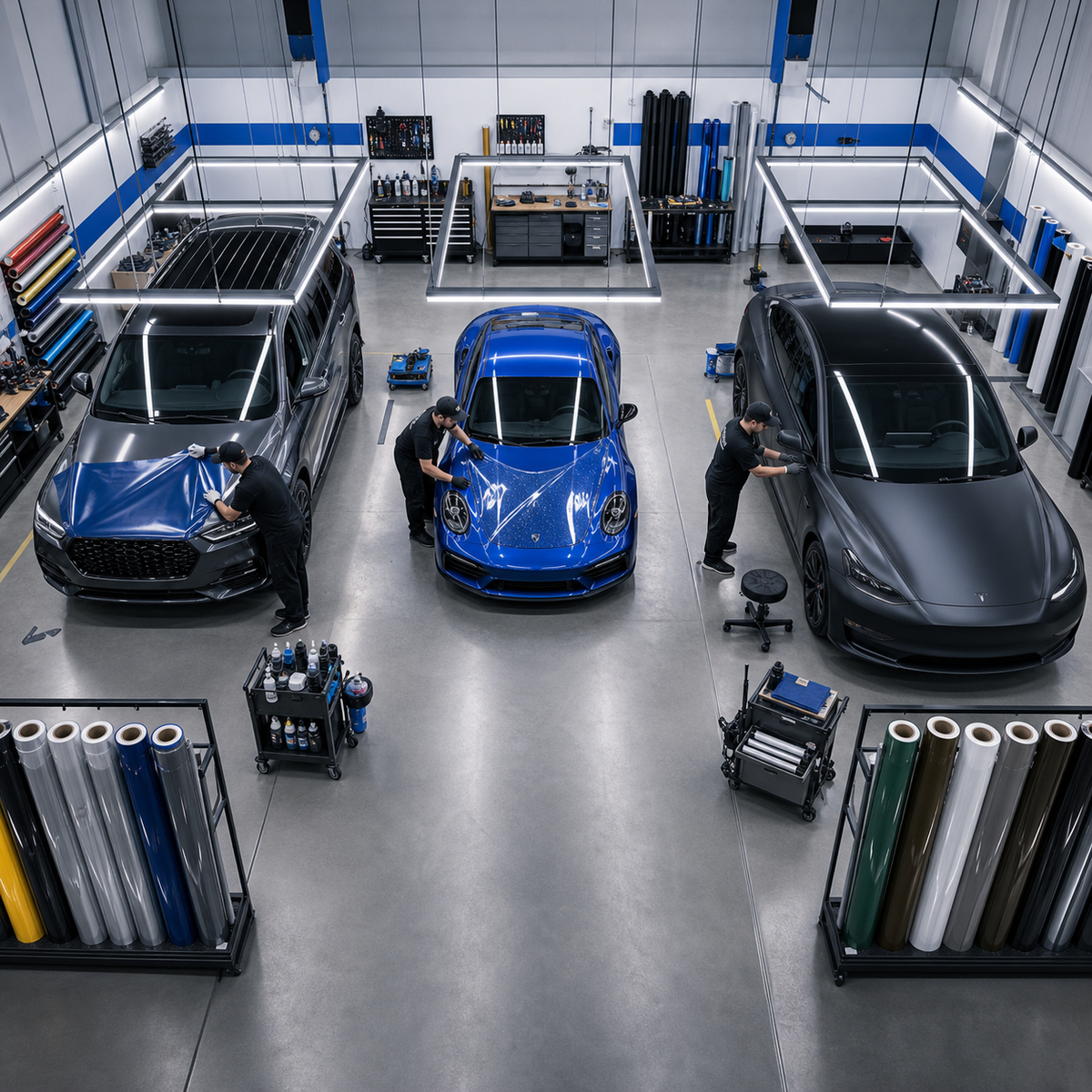
Overstretching, skipped post-heat or trapped dust can make a premium film look bad. A skilled installer can make a mid-grade film look good for a while. A credible comparison either uses the same installer and conditions for every film, or says plainly that the install can matter more than the brand. When a film does fail, our post on who is responsible when PPF fails helps separate film problems from install problems.
7. Reviews cherry-picked without context
Before you trust a PPF review, check five things:
- whether the reviewer is rating the film or the shop visit
- how long after the install it was posted (one week and four years are different worlds)
- whether the car is garaged or parked outside
- whether the car was repainted before the film went on
- whether the owner uses automatic washes or harsh chemicals
Biased pages quote fresh-install praise and leave out the long-term follow-ups.
8. Affiliate links presented as independent research
Pages built to catch "best PPF brand" searches often earn a commission on each click. That does not make them wrong, but the incentive shapes the ranking. A "top 10 brands" list with product links, no test data, no install controls and "industry-leading" in every entry is a sales page.
9. TPU, TPH and PVC mixed together
TPU is the standard material for paint protection film. TPH and hybrid films vary widely by formula and behave differently under heat and UV. Colored or styling protection films are a separate category again. If a paint protection film comparison does not state the material, one product can "win" simply because it is in a different class.
10. No real talk about price
Car owners want to know whether the film is worth the money. Shops want to know whether it will cut callbacks. Biased comparisons say "premium pricing" and move on. A fair one talks about realistic service life in the owner's climate, how easy warranty claims are, how long the film takes to install and how consistent it is from roll to roll.
A fairer way to compare PPF
Experienced installers compare films on six things, whether or not they write them down:
- Appearance: clarity, texture and how the film looks on dark paint in hard sunlight. Customers complain about looks first.
- Protection: what the film actually stops, such as rock chips, abrasion and light scuffs. No film is scratch-proof.
- Chemical and stain resistance: how it looks after bug season and road trips. This is where many warranty disputes start.
- UV stability: yellowing, clarity over time and haze.
- Adhesive aging and removal: a film that fights you at removal turns a refresh into a long, risky job.
- Installability and batch consistency: stretch tolerance, edge hold and whether the next roll behaves like the last. See our post on PPF batch consistency.
Where HIGHCOOL fits
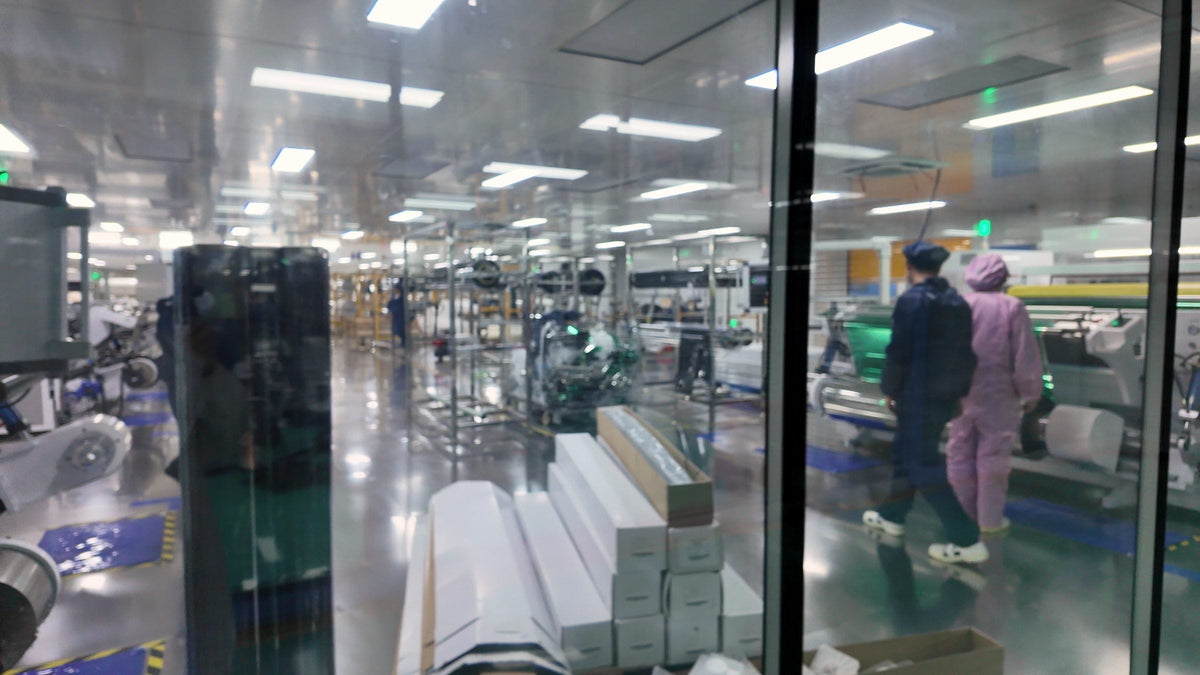
HIGHCOOL is a PPF factory, so we have an interest here too, and we are not ranking ourselves against anyone. What we can tell you is what to ask any supplier, us included. Ask which TPU each grade uses: ours are built on Lubrizol, BASF, Covestro or Wanhua TPU depending on the grade. Ask for the warranty terms in writing; ours run 5 to 10 years by grade. Ask whether every roll is traceable; every HIGHCOOL roll carries its own code. Then install a sample next to whatever you use now and watch both for a few seasons.
If you want to run that test, ask HIGHCOOL for free A4 PPF samples (you cover shipping) and install them beside your current film.
FAQ
What is the best PPF brand?
There is no single best brand for every car and shop. The right film depends on whether you care most about appearance, durability, stain resistance or warranty support, and on your climate. A fair comparison matches film strengths to the way the car is used.
Why do PPF comparison articles rank brands differently?
Because many are shaped by incentives. Shops promote what they install, affiliate sites promote what pays a commission, and few reviewers have long-term data. The ranking often says more about the author than the film.
Are PPF reviews reliable?
Some are, if you know the context. Reviews posted right after the install mostly describe the shop visit and first impressions. Reviews after two to five years tell you far more about yellowing, haze, edges and staining.

Share:
PPF on White Cars: Why Flaws Show Faster
Military Grade PPF: What the Label Actually Means