
PPF flaws show faster on a white car because white paint is the hardest background a film can sit on. A slight yellow shift, a little haze, an edge line or a speck of dust under the film all stand out against white in a way they do not on silver or grey. The film is no worse on white. White just shows you what is there.
That does not make PPF a bad idea on white. White paint shows chips badly once the primer comes through, so it gains a lot from protection. It means film choice, prep and finishing have less room for error, and the owner will see the result sooner. On black you fight swirls and dust. On white you fight contrast.
Why white paint shows PPF problems
White reflects a lot of light and has very little visual noise. Anything that is not white reads as a mark. Here is how that plays out on the car.
Yellowing is easy to see because white is the baseline
On darker colors, a small warm shift in the film blends in. On white, any move toward cream reads as yellow, which is why PPF yellowing on white paint is one of the most common complaints. Real yellowing comes from UV and heat aging the film, the topcoat or the adhesive over years. But some "yellow" is something else: dirt building up at the edges, or staining on the surface. The fix for each is different, so look closely before calling it film failure.
Haze makes the panel look tired
On a dark car, haze hides behind the reflection. On white, it looks like the panel lost its fresh-paint crispness: a soft fog, less gloss depth, a slightly milky reflection in the sun. It comes from how the film scatters light, and better film controls that scatter better.
Texture stands out in direct sun
Many films have some surface texture, and most factory paint has some orange peel. On white, the difference between filmed and bare paint is easier to spot, especially on partial coverage. A partial hood on a white car can show its line as a texture change, not just an edge.
Edges and seams cast lines
Every edge throws a thin shadow, and white shows it. Wrapped edges versus cut edges, where the seams go, how tightly the corners are tucked and how far the film is stretched at the edges all show more on white. Some seams on a complex bumper cannot be avoided. The skill is putting them where the eye does not land.
Dust under the film looks like pepper
A speck of dust trapped under PPF disappears on a dark car. On white it is a dark dot, and a few of them look like someone sprinkled pepper on the hood. A job that would pass on silver can fail on white for this reason alone.
Adhesive lines can show as faint halos
Some films and conditions leave faint lines in the adhesive that show at certain angles, more so on light colors. Some are moisture that clears as the film cures. Others come from the squeegee pattern or from how evenly the adhesive wets out. An installer should tell the owner what is normal curing and what is a defect, before the owner decides every mark is permanent.
Stains show sooner
Bird droppings, bugs, tar and hard-water minerals mark white cars faster, on paint and on film. Owners often mistake these stains for yellowing. Care is part of how the film looks: PPF protects the paint, but it still has to be washed.
Covered and bare panels can drift apart
If only the front end is filmed, the front and rear of the car age under different conditions. After a few years outdoors, a white car can show a slight difference between protected and unprotected paint, even when the film is still in good shape.
Cheap PPF gives itself away on white
If you want a quick read on a film's grade, put it on a white car. Low-end films tend to show warmer tone shifts, more haze, faster staining, more visible texture and less stable edges. Many installers will not use an unknown film on a white car, because the callback is not worth the margin.
How to make a white car PPF job hold up
- Choose the film for clarity and aging. Look for low haze, UV stability, a topcoat that resists stains and self-heals, and an adhesive that wets out evenly. Thickness helps with impact, but it does not stop yellowing or haze.
- Prep harder than usual. Wash, chemically decontaminate, remove iron where needed, and wipe down in a clean space. Correct the paint first if it has swirls or etching. Skipping decon is how you get pepper dots.
- Plan coverage to avoid lines on high-visibility panels. A full hood instead of a partial one, fender edges that follow body lines, and seams placed away from the brightest reflections.
- Give the owner clear aftercare. Remove bugs and droppings quickly, avoid harsh alkaline cleaners, keep the pressure washer away from edges, and use film-safe wash products.
What white cars mean for installers and distributors
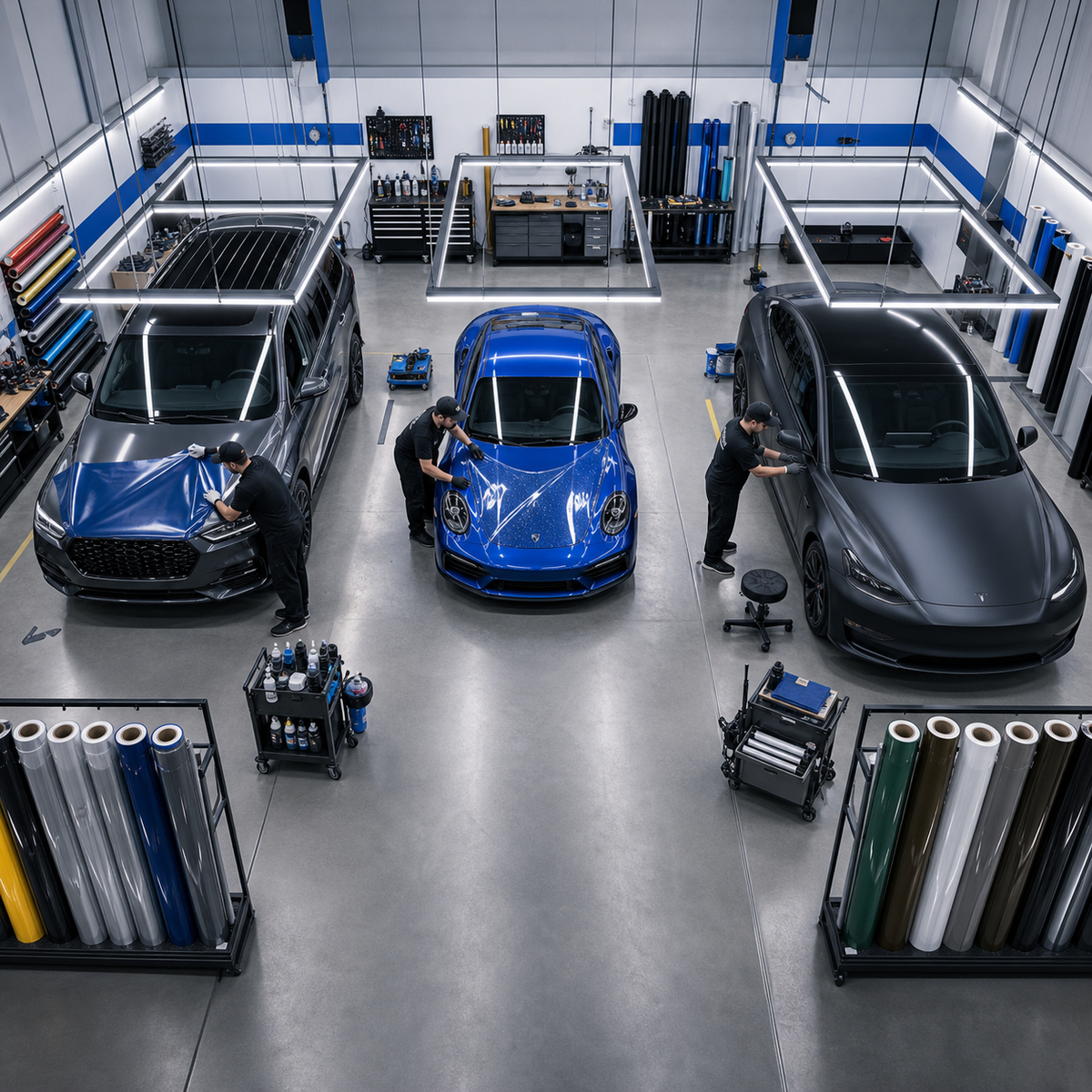
White cars raise the odds that a customer notices optical change, seams, dust and early staining. Any weakness in the film or in the shop's process gets expensive fast on white. If you install in volume, the white cars are where your system gets tested.
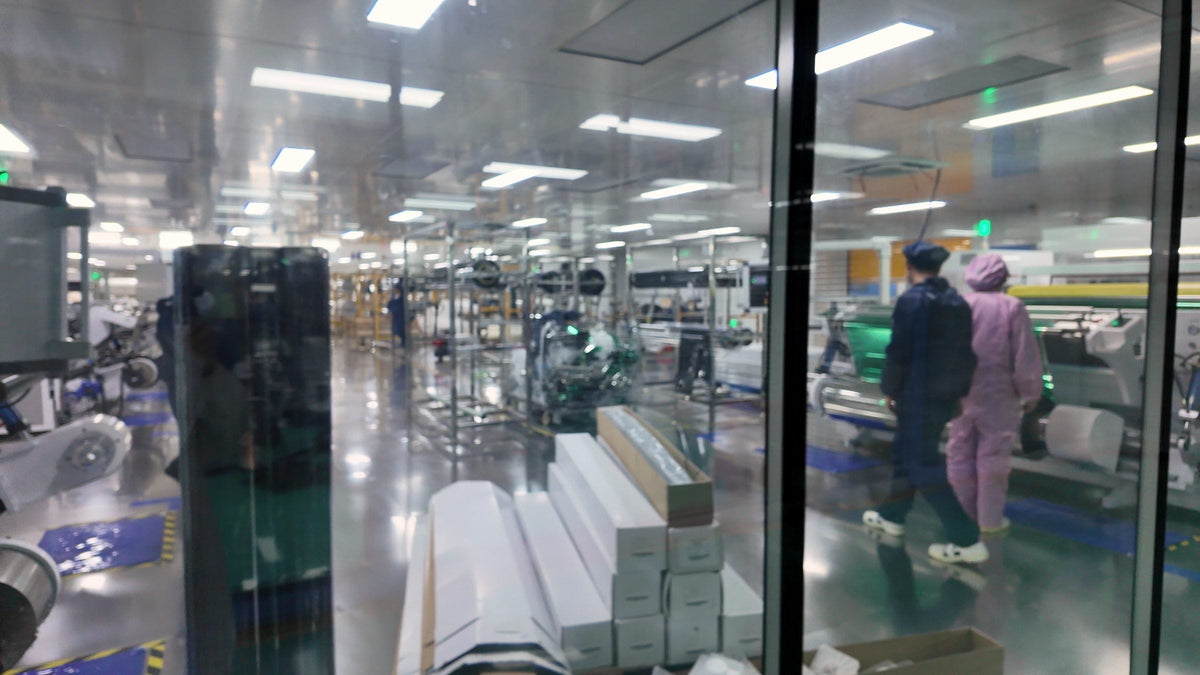
From the factory side, we treat white paint as the hard benchmark for clarity, haze and long-term stability. HIGHCOOL makes Paint Protection Film in our own 20,000 m² factory in Shanghai, on TPU from Lubrizol, BASF, Covestro or Wanhua depending on the grade, with a self-healing topcoat and a 5 to 10 year warranty by grade. Every roll carries its own code, so a complaint can be traced to the batch. We also make Vinyl Wrap and Window Film.
For more on the film side of these problems, see our posts on PPF UV resistance, why PPF lifts or peels, PPF thickness, the real cost of cheap PPF and PPF warranties.
If you want to see how our film looks on white before you stock it, ask for free A4 PPF samples from our US sample stock (you pay shipping), or look at the PPF specs and send us your requirements.
FAQ
Why does PPF look yellow on a white car?
White paint makes any warm shift in the film easy to see. It can be true yellowing from UV and heat aging, or surface staining and edge dirt that only looks like yellowing. A close inspection after a proper clean tells you which one it is.
Is PPF more likely to fail on white cars?
No, PPF does not fail more often on white paint. White shows haze, edges, dust and stains more clearly, so owners notice problems sooner. Good film, careful prep and smart seam placement handle most of it.
Is full hood coverage better than partial on a white car?
Usually yes, because a full hood avoids a visible transition line across the panel. It also reduces the chance of filmed and bare paint aging differently. The trade-off is cost.

Share:
The Real Cost of Cheap PPF
Military Grade PPF: What the Label Actually Means