
The real cost of cheap PPF usually shows up a year or two after the install, not on the invoice. Edges lift and collect dirt, the topcoat stains, the film yellows or hazes, and when it finally comes off it can tear and leave glue all over the paint. Each of those is paid for again in labor. Not every low-priced film is junk, but a price far below the local market almost always comes out of something: the film, the prep, or the time spent on edges.
This is an economics piece, not a brand-bashing one. PPF prices come from materials, coating control, adhesive stability, topcoat durability, installer hours and shop standards. When the price collapses, one of those usually collapses with it.
Where cheap PPF prices come from
A very low quote usually comes from one of four places. The film is a lower grade, with a weaker topcoat, less UV stability or a less reliable adhesive. The install is shorter, with less prep, less edge work and more visible seams. The warranty sounds big but excludes most real failures. Or the price is a promotion that depends on upsells or fast volume.
A customer cannot see any of this on a quote. They see "full front PPF" with a number, and assume it means the same thing at every shop. That assumption is where most cheap PPF regret starts.
The hidden costs of cheap PPF
Early yellowing
Faster yellowing is one of the most common budget PPF risks, worst on white paint and in strong sun. Owners feel the film made the car look older. If it has to come off, they have paid twice: once to install, once to replace. Watch for vague UV claims, no track record and unclear warranty wording on discoloration.
Edge lift that collects dirt
A weak adhesive, rushed edge finishing or overstretched corners lead to lifting edges. Once an edge lifts, it catches dust and turns into a dark line that gets worse. Owners pick at it, which makes it worse still. For the shop, it means rework or an argument about whose fault it is.
A topcoat that stains and marks
Every film needs care, but a low-quality topcoat stains more easily from bugs, tar and bird droppings, and it can mark under normal washing. If the self-healing effect is weak, swirls stay. The owner stops trusting the protection.
Haze and orange peel
Some lower-tier films show more texture and haze in bright sun and at certain angles. On dark paint they dull the deep gloss people paid to keep. The owner may not see it at pickup, but they see it after a few weeks of living with it.
Less prep and more seams
A cheap quote often means fewer labor hours: minimal decontamination, no paint correction, quick alignment and little time on edges. Sometimes cheap PPF is really just cheap labor. PPF is labor-sensitive, and the shortcuts show every time the owner looks at the hood line or the bumper corners.
Dust and adhesive lines under the film
Rushed installs in dusty bays leave specks under the film and faint adhesive lines that show in certain light. These often are not covered by warranty, so the owner lives with them or pays to redo the panel.
Removal that turns into a job of its own
This is one of the biggest hidden costs. At the end of its life, cheap film can tear into small pieces as it comes off, leave heavy adhesive residue, take far more heat and time to remove, and put older or repainted paint at risk. A film that looked fine for two or three years can still make removal the most expensive part of the whole story.
A warranty that protects less than it promises
Many owners assume a warranty means safety. Read the exclusions: damage blamed on maintenance, environmental staining, improper washing, installers who are not authorized, and edge problems classed as installation rather than material. A "lifetime" warranty can still mean the owner pays labor and most real claims are denied.
Downtime and rework
Early failure costs time as well as money: booking the car in, leaving it, arranging a ride, arguing the claim. For an installer, every redo blocks a bay that could be earning on a new job. Cheap film can eat a shop's margin one callback at a time.
Weak performance where protection matters most
Some cheap films handle flat panels fine and struggle on bumper corners, mirror caps and tight curves, which are exactly where chips and abrasion happen. The owner paid for protection and still gets chipped edges and failing corners.
Lower resale appeal
Buyers notice bad film. Lifted edges, yellowing, haze and peeling make a car look neglected. Instead of adding resale appeal, the film becomes a negotiation, with the buyer asking for it to be stripped or for money off.
How to tell budget-friendly from low quality PPF
Some lower-priced films are honest entry grades. The point is to separate value from cheap.
| Value choice | Low quality warning sign |
|---|---|
| Clear warranty terms with realistic coverage | Short or confusing warranty details |
| Installers report the same results batch after batch | No lot traceability or QC explanation |
| Good optical clarity for the price | Vague "military-grade" claims with no measurable standard |
| Edges that stay down | A shop that will not explain its prep and process |
| Plain care instructions | A price far below the local market |
What to check before you buy
- Coverage: pick impact zones based on how the car is driven. A well-planned partial package can beat a sloppy full front.
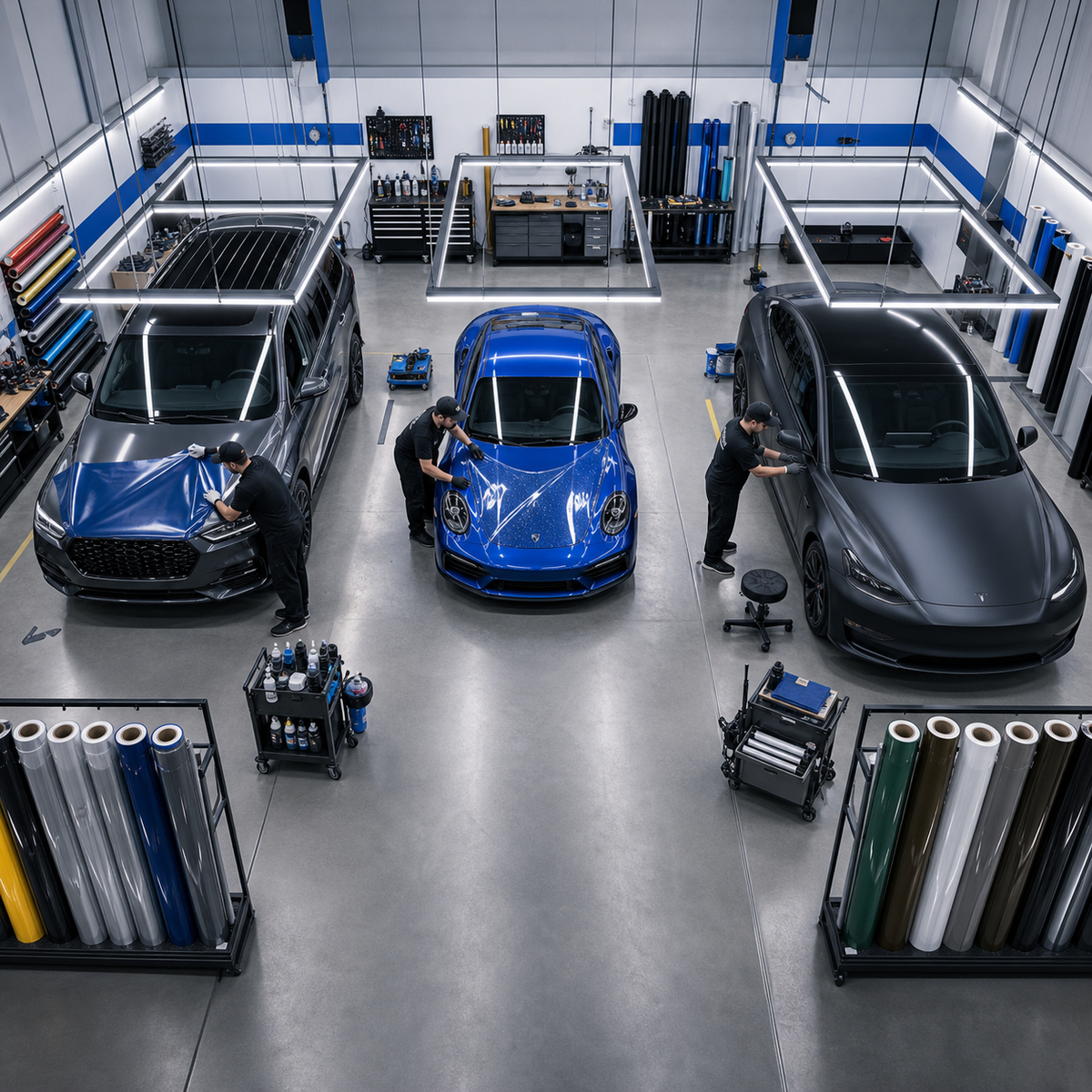
- Install standards: ask what prep is included (wash, decon, clay, panel wipe, correction), how edges are finished, and whether the bay is dust-controlled.
- Film behavior: ask about edge lift, topcoat resistance to staining and wash marring, and the film's UV track record. Thickness alone tells you little.
- Warranty: ask who pays labor, what is excluded, and whether the installer must be authorized.
Why cheap PPF costs installers more
For distributors and installers, cheap film is rarely cheap. Install times get unpredictable, more jobs come back, complaints and bad reviews pile up, and margin gets squeezed from both ends. Shops that do well with PPF tend to pay more for a film that behaves the same way every roll, because predictable labor is where the profit is.
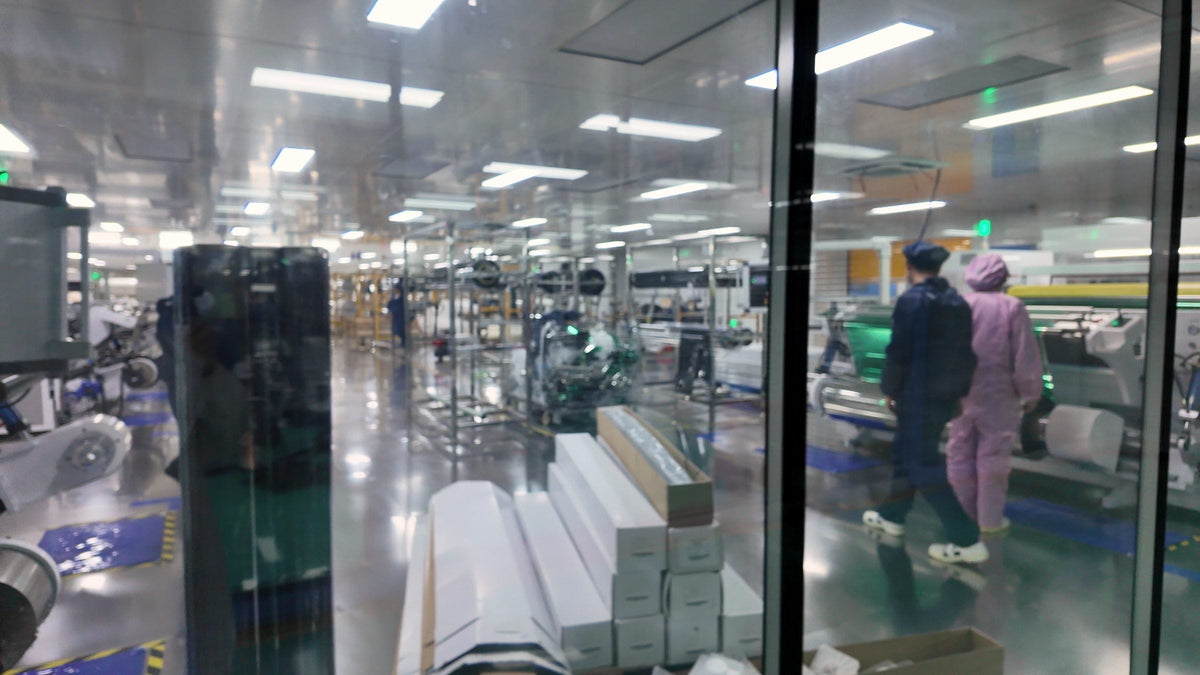
HIGHCOOL makes Paint Protection Film in our own 20,000 m² factory in Shanghai and sells it factory-direct to shops and distributors. Our grades are built on TPU from Lubrizol, BASF, Covestro or Wanhua, with a self-healing topcoat and a warranty of 5 to 10 years by grade. Every roll carries its own code, so a problem can be traced to its batch. We also make Vinyl Wrap and Window Film.
Related reading: why PPF lifts or peels, what PPF warranties really cover, PPF thickness, PPF batch consistency and when PPF is not worth it.
If you want to compare our film against what you stock now, ask for free A4 samples from our US sample stock (you pay shipping), or see the PPF specs and tell us your volume.
FAQ
Is cheap PPF ever worth it?
Sometimes, if it is sold honestly as an entry grade and installed properly. Many very cheap offers hide shortcuts in the film or the labor that raise the risk of failure and messy removal. Ask what film and what prep the price includes.
Does low quality PPF damage paint?
It can, mostly at removal. Cheap film may tear and leave heavy adhesive residue, and the extra heat and scraping put older or repainted panels at risk. Factory paint usually comes through fine with the right technique.
What should I ask before buying PPF?
Ask which film and grade will be used, what prep is included, where the seams go and how edges are wrapped. Then ask what the warranty covers, who pays labor on a claim, and how long the film lasts in your climate.

Share:
PPF on White Cars: Why Flaws Show Faster
Military Grade PPF: What the Label Actually Means