If you buy or install paint protection film long enough, you eventually learn a lesson that most marketing never mentions: the logo on the box is not the product. The product is the roll you actually install—its clarity, its tack, how it stretches, how it finishes on edges, and how it ages after two summers. That’s why PPF batch consistency often matters more than brand name, especially for B2B distributors and installers who can’t afford surprises when a busy week of installs suddenly turns into rework.

For consumers, “brand” feels like a shortcut to safety. For professional shops, brand reputation helps sell. But under the hood, PPF is a materials-and-process business. Small changes in chemistry, coating weight, curing conditions, or adhesive behavior can create noticeable differences from batch to batch—even when the label is identical. This is how you get the most frustrating scenario in the industry: a film that used to install beautifully, then a new shipment arrives and suddenly the edges don’t behave the same, the slip window feels shorter, or the topcoat marks more easily.

This article explains what PPF batch consistency really means, why it’s the foundation of trust in a PPF manufacturing system, and how serious PPF quality control prevents the hidden problems that become customer complaints later. We’ll also give you a practical “batch risk checklist” that works for both C-end customers and B2B sourcing teams, plus an FAQ written from real questions installers and buyers ask.


Why Brand Name Can’t Save You from a Bad Batch

A brand can design a great film and still lose customer trust if its production is inconsistent. In real operations, batches can vary because of raw material variability, production line tuning, process drift, storage conditions, or rushed output to meet demand. This doesn’t automatically mean “bad factory” or “fake product.” It means the system lacked control—or the system was stressed.

For shops and distributors, batch variation is not a small inconvenience. It changes labor time, install success rate, edge reliability, and the number of redo installs you have to do “for free.” For consumers, it changes your ownership experience: the film that your friend loved might not be the film you receive if batch consistency isn’t managed.

So the right question isn’t “Which brand is best?” It’s: Which supply chain produces stable outcomes, consistently, roll after roll?


What “PPF Batch Consistency” Actually Means

At a practical level, PPF batch consistency means that two rolls from different production batches behave the same in these areas:

  • Optical look: clarity, haze, texture visibility, gloss consistency

  • Install behavior: tack, repositioning window, stretch response, edge finishing feel

  • Adhesive performance: edge stability, wet-out speed, long-term lift resistance, removability years later

  • Topcoat behavior: self-healing response, wash marring resistance, stain resistance

  • Aging behavior: UV stability, yellowing risk, chemical resistance under real conditions

If one of these shifts, the film may still be “within spec” on paper while still creating real-world problems. This is why advanced PPF quality control goes beyond a single thickness number or a basic visual check.


PPF Batch Consistency: 9 Brutal Quality Truths

1) Raw TPU variability is real—and brands rarely talk about it

Even within the category of TPU PPF, resin behavior can vary due to upstream formulation, moisture content, and stabilizer dosing. If a manufacturer doesn’t control incoming resin quality tightly, film feel and long-term stability can drift.

What it looks like in the shop: one batch stretches smoothly; another batch feels “grabby,” marks easier, or reacts differently to heat.

2) Adhesive variation causes the most expensive problems

Most people focus on topcoat and thickness, but adhesives drive the hidden economics of installs. Small changes in adhesive coat weight or cure can change edge lift risk and removal behavior later. This is why PPF batch consistency is inseparable from adhesive control.

What it looks like in the shop: edges that won’t stay down, inconsistent slip-to-tack transition, or a film that suddenly needs more post-heat to lock.

3) Coating thickness is easy to list, hard to keep stable

A label might say “8 mil,” but what matters is tolerance. Thickness variation affects conformability, visual texture, and how seams look. Inconsistent thickness also changes how installers intuitively handle the film, which increases errors even with experienced teams.

If you want predictable installs, you need PPF quality control that targets thickness consistency, not just average thickness.

4) Topcoat chemistry drift shows up as “this film scratches easier now”

Topcoat performance is the day-to-day user experience. If topcoat formulation or curing shifts, customers notice faster wash marring, slower self-healing, or more visible spotting. These are the complaints that damage brand trust because the car “looks older” sooner.

In a consistent PPF manufacturing system, topcoat cure and surface energy are controlled tightly across runs.

5) Process drift is the silent killer of install consistency

Factories tune lines constantly: speed, temperature, coating pressure, curing energy, humidity control. If process drift isn’t captured and corrected, “the same product” behaves differently month to month. Brands sometimes don’t notice until installers complain—because the in-factory pass/fail check might not reflect real installation stress.

PPF install consistency is often the first signal that a line has drifted.

6) Storage and shipping conditions can turn a good batch into a risky roll

Even a well-made film can be compromised by poor storage: heat exposure, long dwell time in hot containers, or humidity stress. Adhesives can age prematurely; liners can curl; static and dust can increase contamination risk.

If you’re a distributor, batch control must include storage discipline, not just production specs.

7) “Same SKU” doesn’t always mean “same build”

Some brands quietly change suppliers, tweak formulas, or update coatings without clearly communicating the shift. Sometimes the change is an improvement; sometimes it creates compatibility issues for shops that built their process around the earlier behavior.

A serious purchasing team treats PPF batch consistency as a contractual expectation, not a hope.

8) Warranty claims often become “he said / she said” because batch proof is missing

When a customer complains at year three, the argument becomes: film problem or install problem? Without batch traceability (lot numbers, production records, QC logs), it becomes difficult to isolate root cause. This is why the best suppliers provide batch traceability and structured QC documentation.

Good PPF quality control is not only about preventing defects—it’s about proving responsibility when something goes wrong.

9) Brands win long-term by engineering consistency, not hype

The market rewards loud marketing in the short run, but installers reward predictable behavior forever. If a supplier can deliver stable rolls across seasons and regions, shops build around it, recommend it, and stop shopping purely on price.

In that sense, PPF batch consistency is the real “premium feature” that drives repeat business.


The “Batch Risk Checklist” Buyers Can Use (C-End + B2B)

If you want to compare suppliers without being tricked by branding, use a simple three-level approach: proof, repeatability, and accountability.

A) Proof: What does the supplier test every batch?

Ask for routine checks that match real-world performance, such as:

  • optical clarity and haze checks under standardized lighting

  • adhesive coat weight consistency and bond behavior indicators

  • thickness tolerance ranges (not just a single number)

  • topcoat surface performance checks (scratch recovery behavior, stain resistance logic)

A supplier that only shows a glossy brochure is not showing you PPF quality control.

B) Repeatability: Can shops expect the same install behavior next month?

Ask:

  • do you have installer feedback loops across regions?

  • do you track customer complaint categories by batch?

  • do you freeze formulas across defined production periods?

Repeatability is the heart of PPF batch consistency, because it protects your labor and reputation.

C) Accountability: Can you trace a roll back to a lot?

Ask:

  • does each roll have a lot number and production date?

  • can you trace raw material lots and coating runs?

  • can you provide QC evidence if a claim appears?

This is what separates a “supplier” from a professional paint protection film supplier partner.


What to Write on Your Product Page (If You Want More SEO Traffic)

If you want this article to support exposure for both C-end and B2B searches, naturally include phrases like:

  • “why installers care about batch consistency”

  • “how to choose a paint protection film supplier”

  • “TPU PPF manufacturing quality”

  • “PPF quality control checklist”

  • “PPF install consistency across batches”

These map to how real people search when they’re disappointed by inconsistent installs or warranty disputes. It’s not keyword stuffing; it’s matching real intent.


Where Highcool Fits (Natural Factory Mention, B2B Supply)

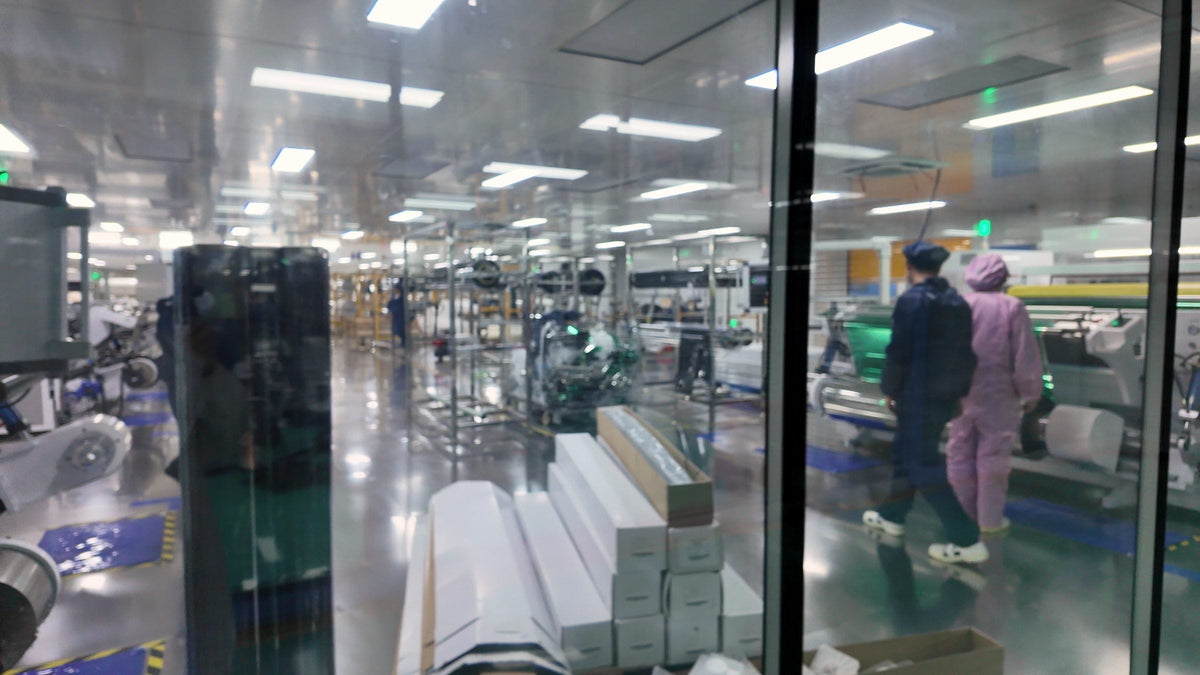
From the source-factory perspective, brand reputation is built or broken by consistency. Installers don’t judge a film only by the best roll they ever installed; they judge it by the worst roll they receive in a busy season. That’s why PPF batch consistency and process control matter more than glossy marketing claims.

Highcool is a source factory focused on B2B supply, producing PPF, color change films (vinyl / styling film), and window film. For distributors and installers, stable lot-to-lot behavior reduces the real costs that rarely show up on a price list: labor overruns, edge lift callbacks, and avoidable disputes about whether an issue is “film” or “install.” In practice, strong PPF manufacturing discipline and traceable PPF quality control are what keep partners confident as they scale.


Conclusion: Consistency Is the Real “Premium” in PPF

The market loves to debate brands, thickness, and warranties, but experienced installers know the truth: the film that wins long-term is the one that behaves the same every time. PPF batch consistency protects install success, reduces edge failures, improves customer satisfaction, and lowers end-of-life risk. It also creates accountability, because traceable PPF quality control makes it easier to identify root causes instead of arguing from opinions.

If you’re building a distribution network or trying to scale a shop, don’t buy a logo. Buy predictable outcomes—and demand evidence that the supplier’s PPF manufacturing system can deliver them.

FAQ 

1) What does PPF batch consistency mean?

PPF batch consistency means rolls from different production batches install and age similarly—same clarity, same tack behavior, same edge stability, and similar long-term appearance.

2) Why does batch consistency matter more than brand?

Because you don’t install a brand—you install a roll. If the roll behavior changes between shipments, labor cost and failure risk increase even if the logo is famous.

3) What causes batch-to-batch variation in PPF?

Common causes include raw TPU variability, adhesive coat weight drift, curing changes, line speed adjustments, topcoat formulation shifts, and poor storage/shipping conditions.

4) How can installers tell a batch is inconsistent?

Signs include different slip-to-tack behavior, increased edge lift risk, texture changes, haze differences, or unusual response to heat and post-heating.

5) Is thicker PPF more consistent?

Not necessarily. Thickness can be consistent or inconsistent at any nominal value. Consistency depends on manufacturing control and tolerance management.

6) Can storage conditions affect PPF even if it was made well?

Yes. Heat exposure and long storage in hot environments can change adhesive behavior and liner stability, increasing installation risk.

7) How do I choose a reliable paint protection film supplier?

Look for traceable lot numbers, documented PPF quality control, consistent installer feedback, clear tolerances, and accountability processes for claims.

8) Does batch consistency affect removability years later?

Yes. Adhesive aging behavior can vary by batch and by storage history, impacting residue risk and removal difficulty at end-of-life.

9) What should a distributor ask for before buying large volume?

Ask for QC standards, thickness tolerance ranges, lot traceability, storage guidelines, and a process for handling batch-related issues quickly.

Contact Us

This site is protected by hCaptcha and the hCaptcha Privacy Policy and Terms of Service apply.

Latest Stories

View all

Best PPF for Black Cars: Optical Clarity & Swirl Guide

What's the Best PPF for Black Cars? The best PPF for black cars needs 3 properties: 95%+ optical clarity to avoid haze, premium self-healing TPU for swirl marks (which show easily on black), and aliphatic polymer formulation to prevent yellowing...

Read more

Does Matte PPF Hurt Resale Value More Than Gloss?

This guide breaks down the resale value math, why matte affects buyers differently than gloss, the Cybertruck-specific data that flips the usual pattern, maintenance difficulty differences, who actually buys matte-finished vehicles, install cost differences, and whether you can convert from matte to gloss PPF if your situation changes.

Read more

Self-Healing PPF Test: Heat Recovery Results & Data

This guide breaks down how self-healing works at the material level, repeatable test methods you can run at home, recovery time benchmarks by temperature, the depth limits of self-healing, brand performance differences, and when self-healing stops working entirely on aging film.

Read more