PPF failure responsibility is the question nobody wants to answer—until a customer returns 3–5 years later with a complaint. The film is hazy. Edges are lifting. There’s staining that won’t wash out. Or worse: removal looks risky, and everyone is nervous about paint.

At that moment, the customer’s question is simple: “Who is responsible?”
But the real answer is almost never simple, because most PPF outcomes are the result of a system: material + adhesive + installation + environment + maintenance + expectations.

This article gives you a clear, practical framework to assign responsibility fairly—whether you’re a vehicle owner, a professional installer, or a distributor managing warranty claims. You’ll learn how to diagnose the failure type, what evidence matters, what warranties really cover, and how to prevent the most common disputes.

If you’re building a knowledge hub, you may also want to reference these internal guides:

  • /blog/ppf-end-of-life-7-shocking-mistakes

  • /blog/how-to-remove-ppf-safely

  • /blog/why-ppf-yellows

  • /blog/ppf-vs-ceramic-coating


Why “PPF Failure” Happens Most Often in the 3–5 Year Window

The 3–5 year mark is when the honeymoon ends. The film has been through:

  • repeated sun and heat cycles

  • hundreds of washes

  • chemical exposure (bugs, bird droppings, road film)

  • winter salt or coastal air (in many regions)

  • normal abrasion from daily driving

Even high-quality films can show wear. But “wear” isn’t the same as “failure.” That’s where most arguments begin.

PPF failure responsibility becomes a dispute when:

  1. the customer expected “perfect forever,” or

  2. the installer assumed “normal aging,” or

  3. the manufacturer warranty language doesn’t match the customer’s definition of failure.

The solution is to stop debating feelings and start diagnosing failure categories.


The 4 Categories That Determine PPF Failure Responsibility

Most PPF issues fall into one of these four buckets. Each bucket points to a different responsible party.

1) Material or manufacturing-related issues

Typically manufacturer responsibility.

2) Adhesive system issues

Can be manufacturer or installation-related depending on root cause.

3) Installation issues

Typically installer responsibility.

4) Maintenance, environment, or misuse

Usually vehicle owner responsibility, sometimes shared if guidance was unclear.

The key is identifying which bucket you’re dealing with—then verifying with evidence.


PPF Failure Responsibility: The 9 Brutal Truths

1) “It Failed” Is Not a Diagnosis

When a customer says “the film failed,” they might mean:

  • it looks less glossy

  • it has wash swirls

  • it has a dirt line at the edge

  • it has minor stains

  • it’s lifting and collecting grime

  • it changed color (yellowing)

  • it cracked or tore

Each scenario has a different cause. The first step is naming the issue precisely:

  • edge lift vs adhesive delamination

  • topcoat wear vs chemical etching

  • haze vs contamination under film

  • yellowing vs staining

Without that, any talk of PPF failure responsibility is guesswork.


2) Warranties Don’t Cover “Everything You Hate”

Most PPF warranties are designed to cover defects, not all aging. The language often distinguishes between:

  • manufacturing defects

  • installation defects

  • environmental or chemical damage

  • normal wear and tear

So a film that has light surface swirls after years may be “aged,” not “defective.” That’s frustrating for owners, but it’s common.

A smart shop prevents conflict by explaining, upfront, what is considered:

  • normal wear

  • maintainable appearance change

  • claim-worthy defect

If nobody explained this early, responsibility can become shared—because expectations were set poorly.


3) Edge Lifting Is Usually Installation—Until It Isn’t

Edge lift is one of the most common 3–5 year complaints. In many cases it’s caused by:

  • overstretching on complex curves

  • insufficient post-heating

  • weak edge finishing

  • contamination at the edge

  • aggressive pressure washing aimed into seams

That points to installer responsibility or owner maintenance.

But edge lift can also be driven by film/adhesive design when:

  • tack is inconsistent across batches

  • adhesive ages poorly under heat

  • film shrink-back is excessive

In disputes, look for patterns:

  • If multiple cars from the same shop show similar edge lift in the same locations, it may be a technique or workflow problem.

  • If the same film lot shows repeated edge behavior across multiple installers, that suggests a material or adhesive system issue.


4) Yellowing Is the Most Misassigned Blame

Customers often blame the installer: “You used cheap film.”
Installers often blame the customer: “You didn’t maintain it.”
Manufacturers may frame it as environmental exposure.

In reality, yellowing is influenced by:

  • TPU formulation quality

  • UV stabilizer package

  • topcoat chemistry

  • climate and UV intensity

  • contaminants that oxidize on the surface

  • long-term heat exposure (outdoor parking)

PPF failure responsibility for yellowing is best handled by comparing:

  • protected vs unprotected panels

  • film-covered areas with different exposure levels

  • maintenance records and wash products

  • whether yellowing is uniform or patchy

Uniform yellowing on high-exposure surfaces can suggest material aging. Patchy discoloration may suggest contamination staining or chemical exposure.


5) “Haze” Often Comes From Topcoat Wear, Not Bad Film

Haze is tricky because it can be:

  • micro-marring from improper washing

  • topcoat wear from aggressive chemicals

  • oxidation and embedded contamination

  • film texture becoming more noticeable over time

If haze improves after safe decontamination and a film-safe polishing process, it’s usually maintenance-related, not a warranty defect.

But if haze is internal (within film layers) or associated with delamination, it can be material or adhesive failure.

Evidence matters. A shop that documents:

  • initial finish photos

  • film series and lot

  • maintenance guidance given at delivery
    will resolve PPF failure responsibility disputes faster and more fairly.


6) Bubbles Years Later Usually Signal Adhesive/Contamination Problems

Small bubbles right after install are often trapped solution and can settle. But bubbles appearing years later are different. Common causes:

  • moisture intrusion from lifted edges

  • contamination under film slowly spreading

  • adhesive breakdown in high-heat areas

  • poor bonding due to inadequate prep (wax, oils, silica residues)

If bubbles cluster near edges or seams, suspect installation/edge sealing and owner washing habits.
If bubbles occur across broad flat areas and spread, adhesive aging or internal delamination becomes more likely.


7) Removal Damage Is Often About Paint History

Customers fear: “Will removal ruin my paint?”
The truth: removal risk depends heavily on:

  • whether paint is factory or repainted

  • how long the film stayed on past its service life

  • whether removal is done warm, slowly, and correctly

  • adhesive chemistry over time

Factory paint typically tolerates proper removal well. Refinished panels can be unpredictable.

Here’s the responsibility split:

  • If the car had a low-quality repaint and PPF pulls it—this may not be film “fault.”

  • If the film adhesive becomes aggressive/hard to remove unusually early—material/adhesive responsibility becomes more relevant.

  • If removal is done cold/fast with poor technique—installer responsibility.

A shop should always inspect paint history before installation and document it. That single step prevents half of the PPF failure responsibility arguments later.


8) The Owner Can Be Responsible Without Doing Anything “Wrong”

This sounds harsh, but it’s reality. Environmental exposure can exceed what a film was designed to tolerate without accelerated aging:

  • extreme UV regions

  • coastal salt air

  • industrial fallout areas

  • constant outdoor parking on dark paint

  • heavy highway bug exposure without quick cleaning

This doesn’t mean the owner “misused” the film. It means the ownership context requires:

  • stronger maintenance habits

  • targeted replacement of high-impact panels

  • better film selection for that environment

The fair approach is to position responsibility as “cause,” not “blame.”


9) The Real Root Cause Is Often “System Mismatch”

The most common reason disputes happen is not bad film or bad installation—it’s mismatch:

  • the customer wanted low maintenance but chose a setup requiring regular care

  • the shop chose an aggressive adhesive for speed, but the climate demanded longer-term stability

  • the owner used harsh chemicals because nobody gave clear aftercare rules

  • the film selection was optimized for initial appearance, not long-term aging

When you treat PPF as a system, PPF failure responsibility becomes easier to assign—and easier to prevent.


A Practical Responsibility Matrix You Can Use

Below is a simple way to map symptoms to likely responsibility. It’s not perfect, but it’s useful.

Likely installer responsibility

  • edge lift soon after install

  • dirt lines caused by unfinished edges

  • contamination trapped under film

  • misalignment, stretched distortion, fingers not resolved

  • early lift concentrated on complex curves

Likely manufacturer/material responsibility

  • widespread delamination in flat areas

  • unusual adhesive breakdown across multiple installs

  • early uniform yellowing across many vehicles in similar conditions

  • consistent batch issues reported by multiple shops

Likely owner/environment responsibility

  • heavy staining left for weeks/months

  • pressure-washing edges aggressively

  • harsh solvents or abrasive cleaning tools

  • extreme exposure with minimal maintenance

  • prolonged neglect of contaminants (sap, bird droppings)

Often shared responsibility

  • removal problems after film overstayed service life

  • cosmetic haze from poor wash habits + sensitive topcoat

  • yellowing influenced by material + extreme UV + low maintenance


How to “Prove” PPF Failure Responsibility Without Fighting

If you want fewer arguments and faster resolutions, document these five items on every job:

  1. Film series, lot/batch, and install date

  2. Paint condition and paint history (factory vs refinish)

  3. Photos immediately after delivery (wide + close-up edges)

  4. Aftercare checklist signed or acknowledged

  5. Maintenance events (at least basic wash style and products)

When a claim happens at year 3–5, you’ll have facts—not opinions.


Internal Linking Suggestions for This Post

To strengthen SEO and keep readers in your cluster, add internal links naturally:

  • /blog/ppf-end-of-life-7-shocking-mistakes-2026

  • /blog/why-ppf-yellows

  • /blog/how-to-remove-ppf-safely

  • /blog/ppf-vs-ceramic-coating

  • /blog/ppf-after-5-years-what-really-happens


Where Highcool Fits (Natural, Factory Perspective—Not Hard Sell)

At the manufacturing level, many “mystery failures” aren’t random. They’re tied to:

  • TPU formulation stability over years

  • UV inhibitor quality and longevity

  • adhesive aging behavior (clean removal vs aggressive bonding over time)

  • thickness uniformity and coating consistency from roll to roll

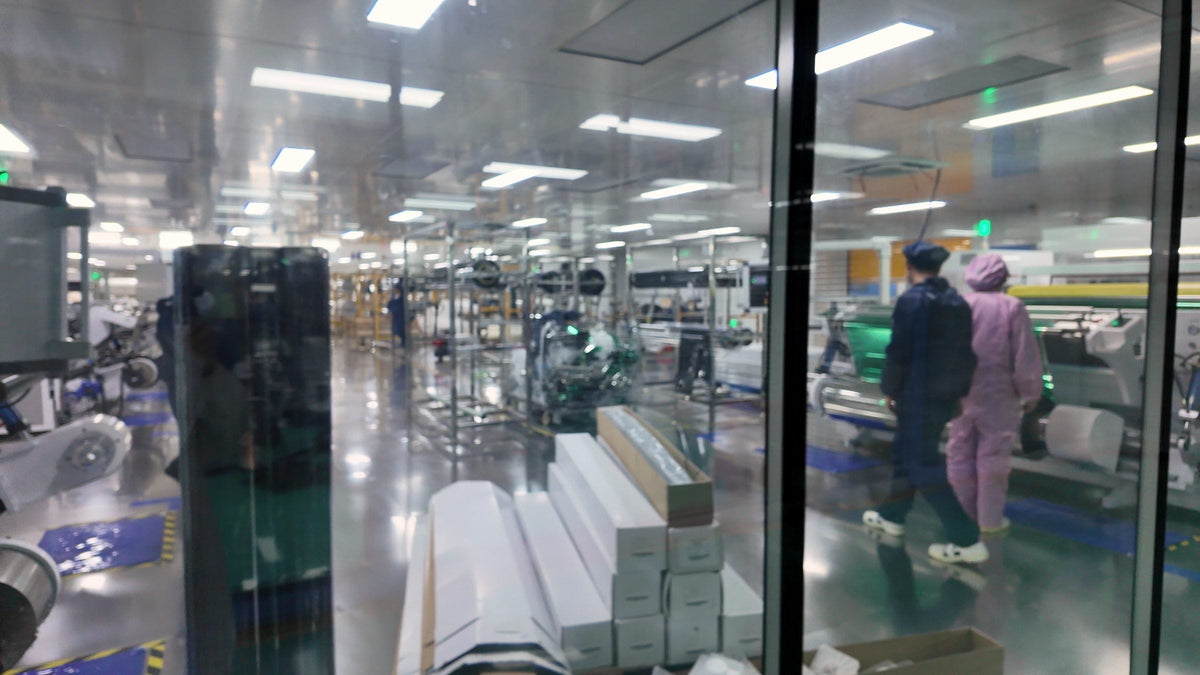
Highcool operates from a factory-first mindset: consistent production control and predictable performance matter because they reduce future disputes about PPF failure responsibility. For B2B customers—installers, distributors, and shops—predictability is profit. And for vehicle owners, predictability is peace of mind.

If you also work with style upgrades, Highcool’s product system covers not only PPF, but also color change films (vinyl wraps / color PPF options) and window film, allowing shops to build a unified protection + styling offering without fragmenting quality control across many suppliers.


Conclusion: The Fair Answer to “Who Is Responsible?”

When PPF “fails” after 3–5 years, the fair answer is rarely “one party.” Instead, it’s a structured diagnosis:

  • What symptom?

  • What category of cause?

  • What evidence?

  • What expectations were set?

When you handle PPF failure responsibility like a professional—using categories, documentation, and clear definitions—you avoid blame games and protect long-term customer trust.

3M Paint Protection Film care guide (PDF)

XPEL Product Care

General PPF lifespan & care overview

FAQ — PPF Failure Responsibility


1. If PPF has problems after 3–5 years, does that automatically mean the film was bad?

Not necessarily. PPF performance depends on a full system: the film material, adhesive, installation quality, environment, and how the vehicle is maintained. Most issues that appear after 3–5 years are the result of multiple factors—not just the film itself.


2. If my PPF turns yellow, is it always a quality defect?

No. Yellowing can be influenced by UV exposure, heat, pollution, long-term outdoor parking, and maintenance habits. Uniform yellowing across highly exposed areas may indicate material aging, while patchy discoloration often points to contamination or chemical staining.


3. If the edges of my PPF are lifting, who is responsible?

In many cases, edge lifting is related to installation technique or post-install care, such as aggressive pressure washing at seams. However, if similar edge issues appear across multiple vehicles using the same film, adhesive or material design may also be a contributing factor. Each case needs to be evaluated individually.


4. Are bubbles in PPF always caused by poor installation?

It depends on when and where the bubbles appear.

  • Small bubbles shortly after installation are often trapped moisture and may resolve on their own.

  • Bubbles that appear years later can be caused by edge contamination, moisture intrusion, adhesive aging, or long-term heat stress.

The timing and pattern matter when determining responsibility.


5. My PPF looks hazy or dull now—does that mean it failed?

Not always. Haze can result from surface wear, improper washing, or embedded contaminants. In many cases, professional cleaning or light film-safe polishing can improve appearance. True film failure usually involves internal breakdown, delamination, or loss of adhesion.


6. The PPF still protects my paint but doesn’t look great anymore. What should I do?

This is a common decision point. When PPF reaches the later stage of its service life, you can:

  • Continue using it for protection only

  • Replace high-impact panels (bumper, hood, mirrors)

  • Fully replace the film to restore appearance

This doesn’t necessarily mean the film “failed”—it means it has reached a normal replacement window.


7. Will removing old PPF damage my factory paint?

On factory paint, proper removal with controlled heat and professional technique is usually safe. Risk increases when:

  • The film is far beyond its service life

  • The panel has been repainted

  • Removal is done cold or too aggressively

Paint history and removal method are critical factors.


8. If paint is damaged during PPF removal, who is responsible?

Responsibility depends on the root cause:

  • Weak or low-quality repaint may fail regardless of film quality

  • Abnormally aggressive adhesive aging may point to material issues

  • Improper removal technique points to operator error

That’s why pre-install paint inspection and documentation are essential.


9. Why doesn’t the PPF warranty cover everything that looks bad?

PPF warranties generally cover material defects—not all cosmetic aging. Normal wear, environmental exposure, and maintenance-related changes are usually excluded. This is standard across most brands, even though it’s not always clearly explained at purchase.


10. Why does the same PPF perform differently on different vehicles?

Performance differences often come from:

  • Climate and UV intensity

  • Indoor vs outdoor parking

  • Driving conditions (highway vs city)

  • Vehicle color (white shows aging more easily)

  • Maintenance habits

One vehicle’s experience doesn’t represent all cases.


11. What everyday behaviors shorten the life of PPF the most?

The most common accelerators include:

  • Leaving bird droppings or bug residue for long periods

  • Using harsh or acidic cleaners

  • Pressure washing directly at film edges

  • Washing with rough towels or brushes

These factors can significantly reduce how long PPF looks good.


12. Is PPF a long-term asset or a consumable product?

From an engineering standpoint, PPF is a replaceable protective layer with a designed service life. Its value is in protecting paint during that period—not in lasting forever. Understanding this makes ownership decisions much easier.


13. When should I start thinking about replacing or removing PPF?

You should evaluate replacement when two or more of the following appear:

  • Noticeable yellowing or haze

  • Persistent edge lifting

  • Stains that no longer clean out

  • Film becoming stiff or brittle

  • Concern that waiting longer may increase removal risk


14. How can I avoid responsibility disputes later on?

The best prevention steps are:

  • Choose an installer with clear material sourcing and process standards

  • Document paint condition before installation

  • Understand warranty limits and maintenance expectations

  • Follow recommended care guidelines

Clear communication upfront prevents most conflicts later.


15. What makes Highcool’s approach different when it comes to responsibility issues?

As a factory-driven brand, Highcool focuses on long-term predictability rather than short-term promises. That means stable TPU formulations, controlled adhesive aging, and batch consistency—reducing unexpected behavior at the 3–5 year mark and making responsibility easier to assess for both installers and vehicle owners.

Contact Us

This site is protected by hCaptcha and the hCaptcha Privacy Policy and Terms of Service apply.

Latest Stories

View all

PPF Highway Driving: 9 Powerful Ways to Stop Rock Chips

PPF Highway Driving: 9 Powerful Ways to Stop Rock Chips

This article explains how PPF highway driving changes the protection game: rock chips, bugs, tar, salt, and heat cycling punish the front end faster than city use. It outlines nine practical strategies to reduce PPF rock chips highway damage—starting with coverage choices (bumper, hood, fenders, mirrors), seam/edge execution, and maintenance habits that matter for high-mileage owners. It also clarifies removal timing, showing when PPF removal is generally safe and when it becomes risky or expensive due to brittleness, adhesive residue, or compromised paint. Finally, it naturally positions Highcool as a B2B source factory supplying PPF, color change film, and window film with a focus on consistency for real-world driving demands.

Read more

PPF Failure Signs: 10 Brutal Tests to Spot Real Damage

PPF Failure Signs: 10 Brutal Tests to Spot Real Damage

This guide explains how to distinguish PPF failure signs from normal aging by using 10 practical tests: edge lift progression, late-stage bubbling, yellowing patterns, haze/clarity changes, cracking, delamination, persistent stains, hydrophobic drop-off, tactile brittleness, and age/environment context. PPF aging vs damage matters because many issues are cosmetic or cleanable, while structural problems (cracking, delamination, widespread lift) require replacement. If multiple failure signs appear—especially on older films—when replace PPF is usually “sooner rather than later,” because brittle film and delayed removal can increase cost and risk.

Read more

PPF Warranty: 11 Painful Truths Buyers Must Know

PPF Warranty: 11 Painful Truths Buyers Must Know

A PPF warranty typically covers defined manufacturing defects—not every form of aging or cosmetic change. The most common exclusions involve normal wear, chemical staining, maintenance-related damage, installation errors, and removal risks (especially on repainted panels). Buyers should compare warranties by definitions, conditions, remedy, and proof requirements—not just years. Proper documentation, warranty registration, and basic care dramatically improve the chance of a smooth claim experience. From a factory perspective, consistent TPU chemistry, durable UV stabilization, and predictable adhesive aging help reduce warranty disputes long before paperwork is needed.

Read more