
In hot and coastal climates, PPF wears out in different ways, so shops there need to choose film by its TPU, adhesive and topcoat, not by the brand on the box. Strong sun mostly causes yellowing and a tired topcoat. Humidity and salt air mostly cause haze and loss of gloss. In a mild climate most decent films look alike for years. In Arizona or Miami they stop looking alike within the first year or two.
The same film can look fine on a garaged car in Seattle and look tired on a black car parked outside in Phoenix. Heat, UV and moisture speed up the weak points of a film, and those weak points sit in different layers.
What hot climates do to PPF
| Stress | What it does to the film | What the customer sees |
|---|---|---|
| UV | Breaks down lower-grade polymers and adhesives | Yellowing, dull look |
| Surface heat | Speeds up adhesive aging | Haze, edge lift, glue marks |
| Long-term sun on the topcoat | Topcoat loses flexibility | Swirls stop healing |
| Daily heating and cooling | Film expands and shrinks every day | Edge lift, texture changes |
Black cars parked outside get the worst of it, because the paint under the film gets far hotter than the air. A film that holds up for years in a mild region can start to show its age much sooner on those cars.
What coastal climates do to PPF
| Stress | What it does to the film | What the customer sees |
|---|---|---|
| Salt spray | Attacks the topcoat surface | Loss of gloss, a matte haze |
| Humidity | Moisture works into weak adhesive | Cloudiness under the film |
| Acid rain and fallout | Etches a weak topcoat | Stains and water spots that stay |
That is why haze is the typical complaint on the humid coast, and yellowing is the typical complaint in dry, sunny regions. Different climates, different failures.
How to choose PPF for hot or coastal markets
Ask for aliphatic TPU and the resin source
Aromatic TPU yellows quickly in UV. Aliphatic TPU stays clear far longer, which is why it is the standard base for good PPF. Ask every supplier which company made the TPU and which grade it is. A supplier who cannot answer should not be your film for a sunny market.
Check the adhesive
Haze and a milky look under the film usually come from the adhesive, not the TPU. Low-grade acrylic adhesive breaks down in heat and humidity. Ask who makes the adhesive, and ask for an aged sample. A film that has been through heat and humidity cycling and still looks clear tells you more than a brochure.
Check that the topcoat holds up in UV
The topcoat carries the self-healing, the gloss and the stain resistance. Topcoats with good UV stabilizers stay flexible longer and keep healing. If a film stops healing light swirls within its first summer, the topcoat is the first suspect.
Ask for accelerated weathering data
Xenon-arc and QUV chambers simulate long sun exposure in a lab. Ask for the test hours and the change in yellowness index before and after, measured on the film you will actually buy. Our guide on how to read a QUV test report explains what to look for. A supplier with no aging data does not know how long the film lasts.
What this means for your shop
In a hot or coastal market, a yellowed or hazy panel turns into a free reinstall: film, labor and a bay tied up for a day. The film you choose decides how often that happens. Pick it for your climate, and tell customers in plain words what the film does and does not do. For more on the heat side, see does PPF yellow in Arizona heat and HIGHCOOL TPU in harsh US climates.
How HIGHCOOL builds PPF for these markets
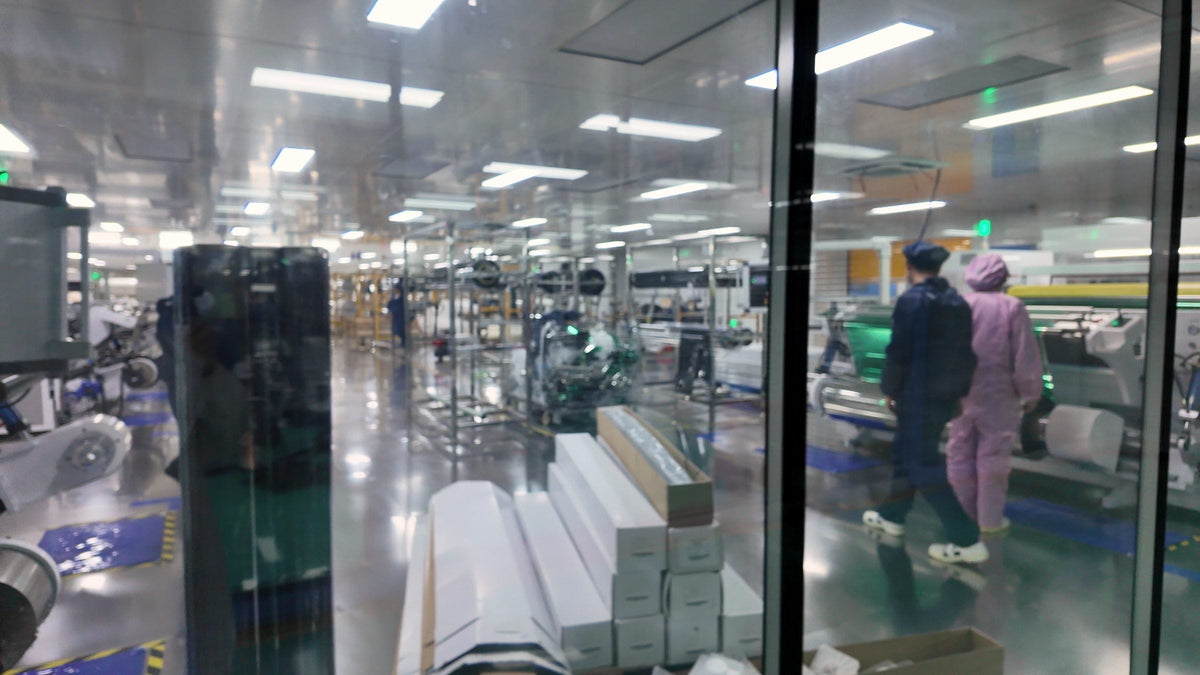
We make our PPF in our own 20,000 m² factory in Shanghai, certified to ISO 9001. Each grade is built on TPU from one of four sources: Lubrizol, BASF, Covestro or Wanhua. The Lubrizol, BASF and Covestro grades use Ashland adhesive. The Wanhua grade uses a domestic adhesive. All grades carry a self-healing topcoat, warranties run 5 to 10 years depending on grade, and every roll carries its own code so a claim traces back to its batch.
Our US warehouse holds PPF stock, and private label starts at 30 rolls per model. Free A4 samples come from our US sample stock, with the buyer paying shipping, so you can park a sample panel outside for a summer before you commit.
If your shop works in sun, heat or salt air, tell us your region and the problems you see most through the contact page, and we will suggest a grade from our protection film range.
FAQ
Does PPF last as long in hot climates?
Usually not, because UV and surface heat speed up aging of the TPU, adhesive and topcoat. Good aliphatic TPU film with a stable adhesive holds up much better than cheap film. Black cars parked outside see the most stress.
Why does PPF go hazy near the coast?
Haze near the coast usually comes from moisture getting into a weak adhesive or salt attacking the topcoat. A better adhesive and topcoat reduce it. Regular washing to remove salt also helps.
What should I ask a PPF supplier for a sunny market?
Ask which company made the TPU and which grade it is, who makes the adhesive, and for accelerated weathering data with yellowness index before and after. Also ask for a sample you can age outside yourself. A supplier who cannot answer these is a risk in strong sun.

Share:
TPU is the Foundation of Car Protection Film Performance
Self-Healing PPF Top Coat: How Installers and Distributors Test Durability