顾客可以接受微小的气泡或轻微的安装痕迹——这些都是意料之中的。

雾霾的情况有所不同。

当客户说:

“我的隐形车衣看起来雾蒙蒙的,车漆不再那么清晰了。”

他们相信:

  • 这部电影质量很差,而且

  • 安装人员选错了供​​应商

这导致:

  • 保修纠纷

  • 免费重新安装

  • 利润损失

  • 店铺声誉受损

所以,雾霾不是“电影问题”,
而是一种商业风险。


雾霾的来源:粘合层

大多数安装人员主要关注:

  • TPU 透明度

  • 面漆光泽

  • 自愈性能

雾气几乎总是来自粘合剂,而不是TPU。

低等级粘合剂 = 3-12个月后薄膜出现雾状

廉价粘合剂在暴露于以下环境时会发生氧化:

  • 热量(发动机舱、引擎盖热浸)

  • 紫外线

  • 湿度

  • 汽车洗车液化学成分

这种氧化作用会形成散射光线的微小颗粒→雾霾

这就是为什么雾霾通常是逐渐出现的,而不是在安装时就出现的。


科学原理:光学级丙烯酸树脂与标准丙烯酸树脂粘合剂的比较

粘合剂类型 黄化/抗雾霾 剥离强度稳定性 常用
标准亚克力 贫穷的 随时间推移而减弱 低成本薄膜工厂
硅改性丙烯酸酯 中等的 更稳定 中档包装膜/压延膜
阿什兰光学级亚克力 出色的 稳定5-10年 优质PPF制造商

阿什兰粘合剂的应用领域包括:

  • 医用级光学粘合膜

  • 航空航天透明层压板

参考资料(权威):
https://www.ashland.com/industries/adhesives

意义:

这种粘合剂的设计兼顾了透明度、耐用性和耐热性,而不仅仅是粘合性。


高温高湿会加速雾霾的形成

高风险地区

地区 健康)状况 风险等级
加利福尼亚州、亚利桑那州、内华达州 高紫外线 + 罩式加热 高的
佛罗里达州、墨西哥湾沿岸、东南亚 紫外线 + 湿度 + 盐 非常高
中东和澳大利亚 极端紫外线 非常高

这就是为什么雾霾在以下地区出现得更快的原因:

  • 白色汽车(对比鲜明的云层)

  • 每天停放在户外的汽车

  • 沿海环境中的汽车


安装人员测试:如何识别稳定的粘合剂质量

无需实验室设备——只需这样做:

  1. 热的引擎盖面板上贴一小块测试片。

  2. 放在阳光下晒48-72小时

  3. 从不同角度观察,不要正面观察。

结果 意义
仍然清晰 光学级粘合剂(良好)
略微泛白 中等稳定性
明显的云层 之后会引发客户投诉。

这项测试准确率很高,因为:

  • 它模拟了真实世界的热浸过程

  • 它揭示了粘合剂的氧化电位


为什么HIGHCOOL薄膜不会产生雾霾

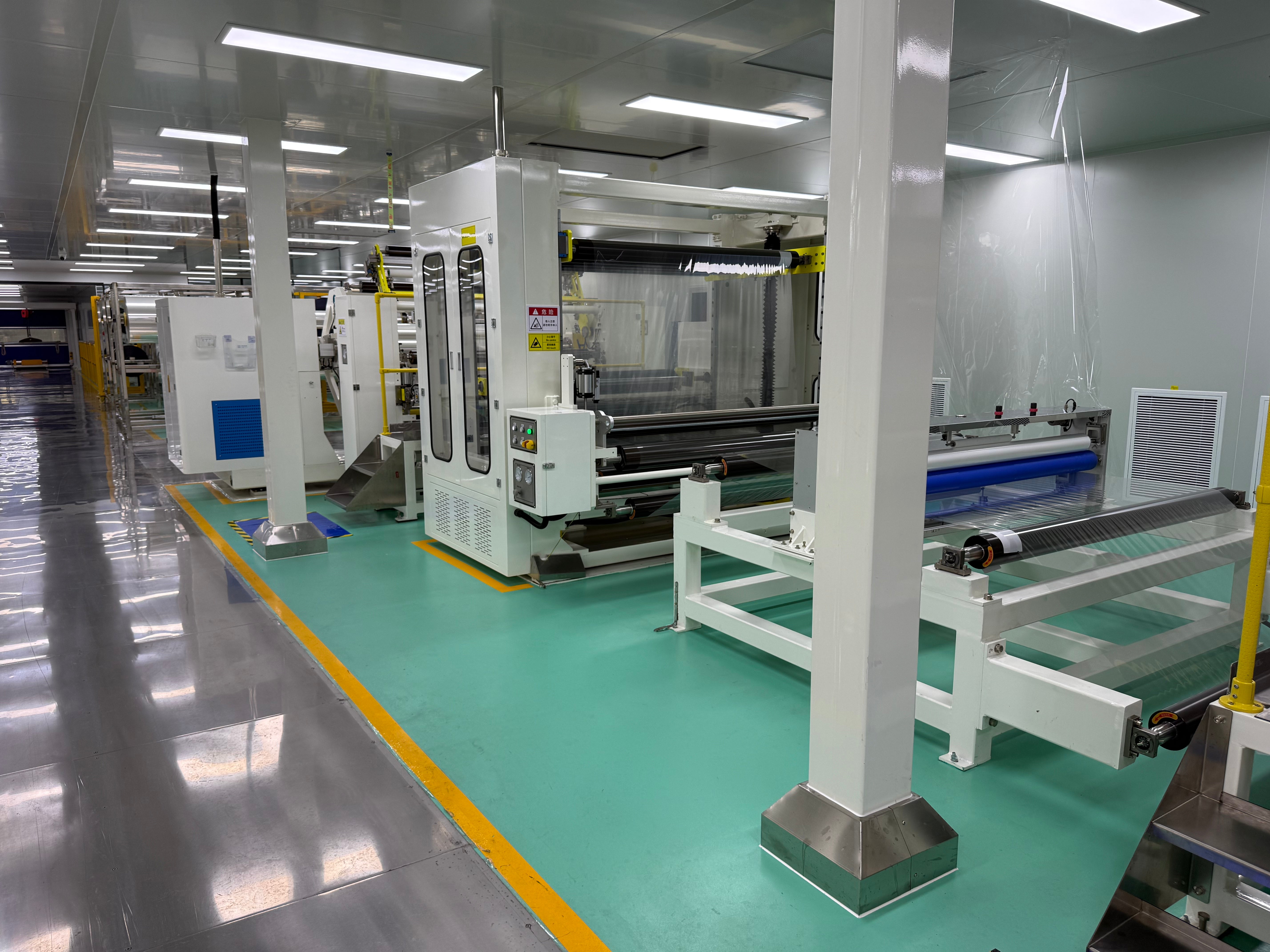
HIGHCOOL 使用Ashland 光学级丙烯酸粘合剂,该粘合剂经过特殊设计,可实现以下功能:

  • 耐紫外线和高温氧化

  • 保持剥离强度5-10年

  • 保持清澈、光泽和锐利的外观

  • 与脂肪族TPU应力响应完美匹配

并结合以下因素:

  • 万华/科思创/巴斯夫/路博润脂肪族TPU

  • 纳米疏水性HALS紫外线防护面漆

测试结果(已验证)

测试 HIGHCOOL 结果 标准PPF结果 标准
紫外线老化 ΔYI ≤ 1.0(无可见雾霾) ΔYI 2.5–4.0 ASTM D1148
热老化 90°C 清澈,无浑浊。 云层开始出现时间为200-400小时 ISO 4892-2
盐雾 通过 > 1000 小时 早期失败 ASTM B117

这就是“看起来像新的一样的隐形眼镜”和“会引起头痛的隐形眼镜”之间的区别。


分销商和安装商业务优势

选择抗雾膜意味着:

  • 无需返工人工成本

  • 保修纠纷减少

  • 提升客户满意度

  • 更强的品牌声誉

  • 更高的定价权

或者简单来说:

清晰的胶片=清晰的利润。


HIGHCOOL 的 B2B 合作伙伴关系优势

我们提供:

  • 分销商/批发商定价

  • 自有品牌OEM项目

  • 市场营销和安装支持

  • 美国仓库库存(洛杉矶),可快速发货


行动号召

索取样品卷 + 分销商定价

https://highcool.com/pages/contact-us

您还可以提出以下要求:

  • 粘合剂透明度测试表

  • TPV 和 UV 对比数据

  • 区域分销合作伙伴信息

Contact Us

This site is protected by hCaptcha and the hCaptcha Privacy Policy and Terms of Service apply.

Latest Stories

View all

Fleet Windshield Protection Film: 7 Powerful Downtime Wins

Fleet Windshield Protection Film: 7 Powerful Downtime Wins

This fleet-focused blog explains fleet windshield protection film through a practical cost vs downtime lens, showing how fleets should model event rates, downtime cost per glass incident, and conservative savings scenarios—especially for trucking windshield chips and high-mileage routes. It provides rollout guidance (pilot cohorts, install networks, replacement triggers, KPIs), a procurement checklist for commercial vehicle glass protection, dofollow external compliance references (FMVSS 205 / 49 CFR 393.60), and an FAQ aligned with what fleet procurement and operations teams most often ask.

Read more

Windshield Pitting: 9 Shocking Reasons Glass Wears Out

Windshield Pitting: 9 Shocking Reasons Glass Wears Out

This blog explains windshield pitting in practical terms—what it is, how it differs from scratches and deposits, and why glass abrasion highway driving accelerates wear. It outlines 9 real causes, provides shop-ready diagnostics, and gives realistic prevention strategies to prevent windshield pitting, including maintenance habits, wiper management, when replacement is the right call, and how windshield protection film fits as a sacrificial wear layer. It includes dofollow external references, internal link suggestions, and a high-intent FAQ, ending with a consistent soft Highcool B2B factory paragraph for brand memory without hard selling.

Read more

Windshield Film vs PPF: 11 Critical Differences (No Hype)

Windshield Film vs PPF: 11 Critical Differences (No Hype)

This article explains windshield film vs PPF through 11 practical differences that affect performance, installation, customer satisfaction, and shop profitability. It clarifies what each film is designed to protect, why glass demands stricter optical clarity than paint, how wiper abrasion changes lifespan, and how shops should decide which service to add first. It includes a side-by-side comparison table, dofollow external references, internal link suggestions for a content cluster, and an FAQ that targets high-intent buyer questions—ending with a consistent, non-hard-sell Highcool B2B factory paragraph.

Read more