
The TPU layer is the base of a paint protection film, and the quality of that TPU largely decides how clear the film is, how well it resists yellowing, how it stretches on the bench and how long it lasts outside. Topcoat and adhesive matter too, but neither can save a poor base film. So the first question for any PPF supplier is simple: who made the TPU, and which grade is it?
When the TPU is poor, the problems show up on the customer's car, not on the spec sheet. The film yellows early, loses gloss, gets stiff, stops healing light swirls, and the car comes back to your shop.
Not all TPU is the same
| TPU source | Cost | What shops tend to see |
|---|---|---|
| Unnamed resin from small chemical plants | Lowest | Batch-to-batch swings; films sold on price alone |
| Blends of aromatic and aliphatic TPU | Low to mid | Looks clear when new, yellows later |
| Aliphatic TPU from a named major producer | Higher | Clear, stable film suited to long warranties |
Aromatic TPU yellows quickly in UV. Aliphatic TPU stays clear far longer, which is why serious PPF makers use it. A supplier who cannot name the TPU source or grade is asking you to take the risk for them.
The four TPU producers behind most high-end PPF
Four chemical companies supply most of the TPU that goes into higher-end PPF. Each sells TPU under its own brand, and each makes many grades, so the company name alone is not the whole answer. Ask for the grade as well.
| Producer | TPU brand | Website |
|---|---|---|
| Lubrizol (US) | Estane | https://www.lubrizol.com/Engineered-Polymers |
| BASF (Germany) | Elastollan | https://www.basf.com/ |
| Covestro (Germany) | Desmopan | https://www.covestro.com/ |
| Wanhua Chemical (China) | WANTHANE | https://www.whchem.com/ |
These companies have run polyurethane chemistry at scale for decades, with their own quality systems. That shows in the film as consistency: the roll you buy in March behaves like the one you bought in October.
How TPU shows up in real use
On the bench, the TPU decides how far the film stretches into a bumper recess, how fast it recovers, and whether it fights you on a mirror cap. On the car, it decides how clear the film looks over dark paint and how it handles years of UV. Good TPU with a weak adhesive still hazes, and a good topcoat on weak TPU still yellows underneath, so judge the whole film, but start with the base.
The practical test is cheap. Ask for samples from two suppliers, put both on the same panel, park it outside for a summer, and compare color and gloss against a piece kept indoors. Our guides on PPF yellowing causes and reading a QUV test report explain what to look for.
How HIGHCOOL uses TPU
We build PPF on TPU from all four of these producers, by grade, so a shop can pick the grade that fits its market and price point without changing supplier. The Lubrizol, BASF and Covestro grades use Ashland adhesive. The Wanhua grade uses a domestic adhesive and is our cost-focused option. Every grade carries a self-healing topcoat, and warranties run 5 to 10 years depending on grade. Each roll carries its own code, so a claim traces back to the batch it came from.
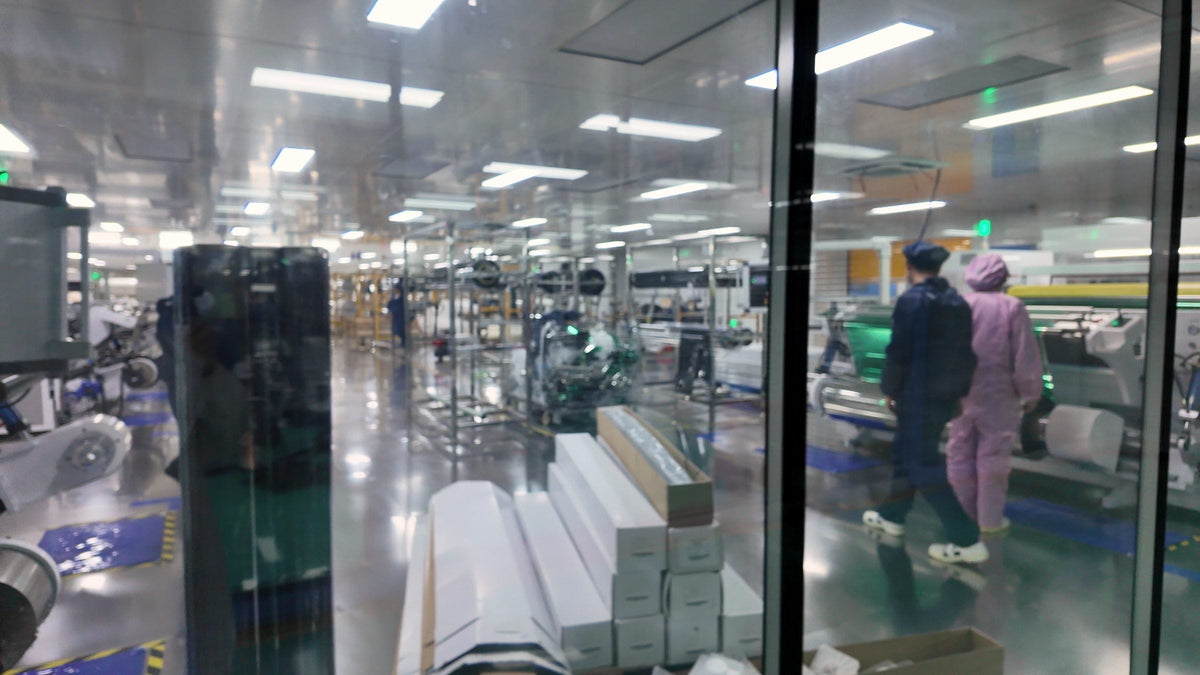
We make the film in our own 20,000 m² factory in Shanghai, certified to ISO 9001. Our US warehouse holds PPF stock, private label starts at 30 rolls per model, and free A4 samples come from our US sample stock with the buyer paying shipping. The protection film range lists each series with its TPU source and warranty.
What the right TPU does for your business
| Result | What it means for the shop |
|---|---|
| Fewer warranty claims | Less film and labor spent on free reinstalls |
| Gloss that lasts | Customers who come back and refer friends |
| Predictable stretch | Faster installs on complex panels |
| Better UV stability | Fewer yellowing complaints in sunny markets |
If you want to compare grades on your own bench, tell us your market and the cars you do most through the contact page, and we will send samples from the grades that fit, or start a dealership conversation.
FAQ
Why does the TPU supplier matter in PPF?
The TPU is the base film, so it largely decides clarity, yellowing resistance, stretch and lifespan. Major producers make TPU with consistent quality from batch to batch. Unnamed resin is where most early yellowing and stiffness problems start.
What is the difference between aliphatic and aromatic TPU?
Aliphatic TPU resists yellowing in UV far better than aromatic TPU. That is why it is the standard base for good paint protection film. Aromatic or blended TPU can look clear when new and turn yellow later.
Which companies make TPU for paint protection film?
The main producers are Lubrizol (Estane), BASF (Elastollan), Covestro (Desmopan) and Wanhua Chemical (WANTHANE). Each makes many grades, so ask your supplier for both the producer and the grade. HIGHCOOL builds grades on all four.

Share:
Why Paint Protection Film Turns Yellow and How HIGHCOOL Keeps It Clear
PPF for Hot and Coastal Climates: What Shops Should Know