
Shops and distributors should expect the 2026 PPF market to keep moving from a luxury extra toward a normal part of buying a new car, with EV owners, Color PPF and matte finishes doing most of the pushing. That is our read from the orders and questions we get as a factory, not a measured market figure. We do not publish market-size numbers we cannot source, and you should be wary of anyone who quotes them without one.
Cars kept longer, paint protected sooner
New cars cost more than they used to, and owners keep them longer. That changes how they think about the paint. Once the clear coat on a hood is pitted by winter grit and highway stone chips, polishing will not bring it back, and owners who have seen that on a previous car now ask about film at the dealership, before the first winter.
For shops, the result is more full-front and full-body quotes on new cars, and more customers who already know what PPF is when they walk in. Seasonal demand is real in snow-belt markets, so plan stock and staff around the weeks before winter.
EV design: large painted fronts
Many EVs have no traditional grille. The nose is one large smooth painted panel, and every stone the car ahead throws up lands on paint. Tesla is the extreme case: its owner's manual says the Cybertruck's stainless steel panels have no clear coat at all, so any scratch is in the metal. EV owners tend to buy film early and ask for full fronts, not just a partial hood.
These cars also bring patterns into focus. Smooth fronts and big panels need accurate patterns and wide enough rolls, and a shop that cannot cut them cleanly loses the job to one that can.
Style meets protection: the rise of Color and matte PPF
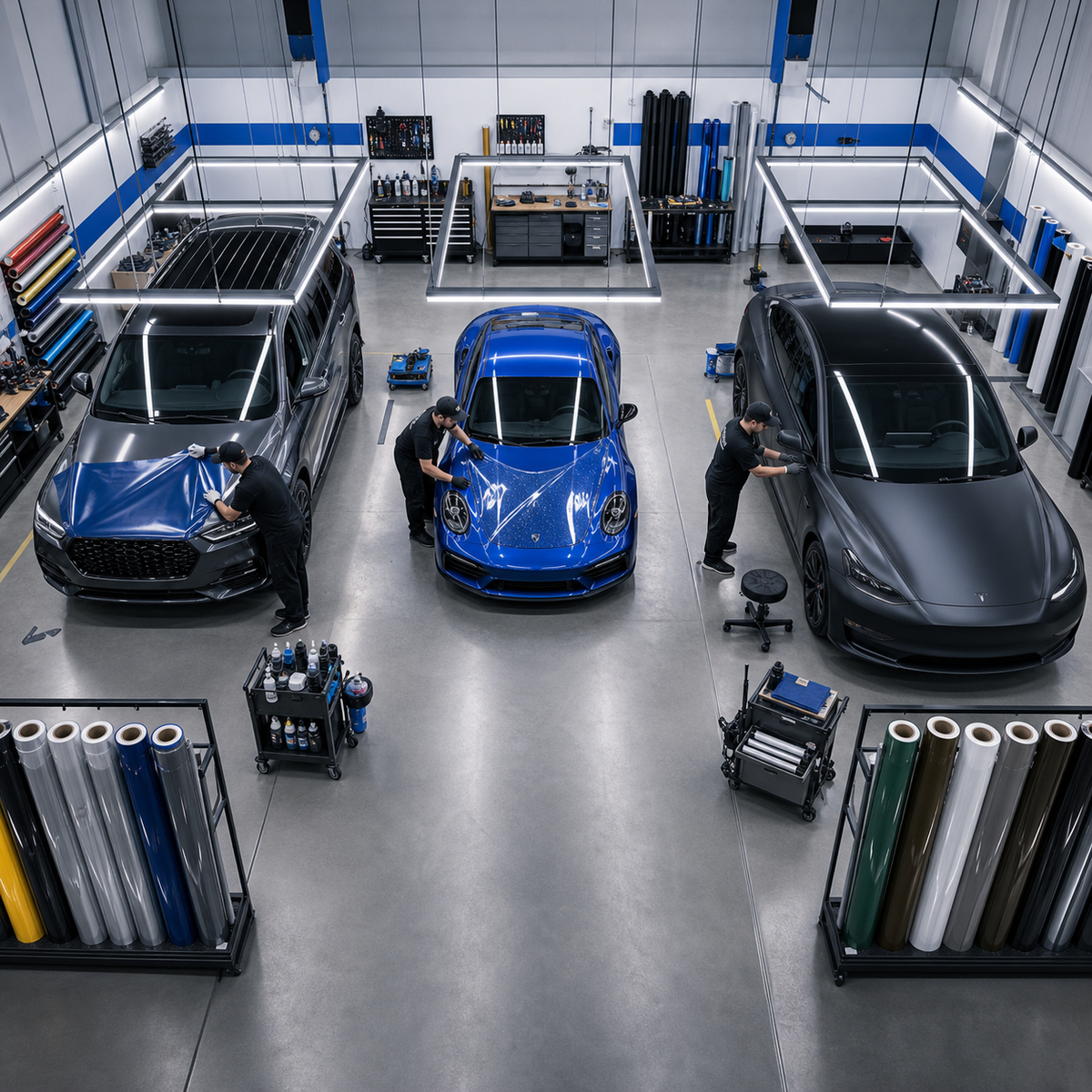
The biggest change on the product side is color. For years, a color change meant vinyl wrap, which changes the look but gives the paint little protection. Color PPF does both. It is TPU with a self-healing topcoat, so the customer gets a new color and a protective layer in one job.
Matte and satin PPF follow the same logic. A gloss black SUV can go satin without a respray, and the factory paint stays protected underneath. For a shop, both jobs carry a higher ticket than clear gloss film and bring in customers who would never have bought invisible film.
HIGHCOOL Color PPF is 7.5 mil, comes in 180+ colors on 15 m rolls and carries a 5-year warranty. It is in stock in Shanghai and ships from China.
Leaner shops and better cutting
Labor and rent cost more every year, and that pushes shops toward fewer bays doing higher-value work. Plotter cutting from pattern software, such as XPEL's DAP, has taken much of the bulk hand-cutting off the car. The installer's skill now goes into edges, wraps and tucks, and the shop can quote with more confidence on time and film use.
Inventory is part of the same squeeze. Cash sitting in slow rolls does not pay rent.
Beyond cars
Some shops also film motorcycle tanks and bicycles. It is small work that fills quiet days and uses offcuts, so treat it as an extra unless your local market shows real demand.
How HIGHCOOL fits
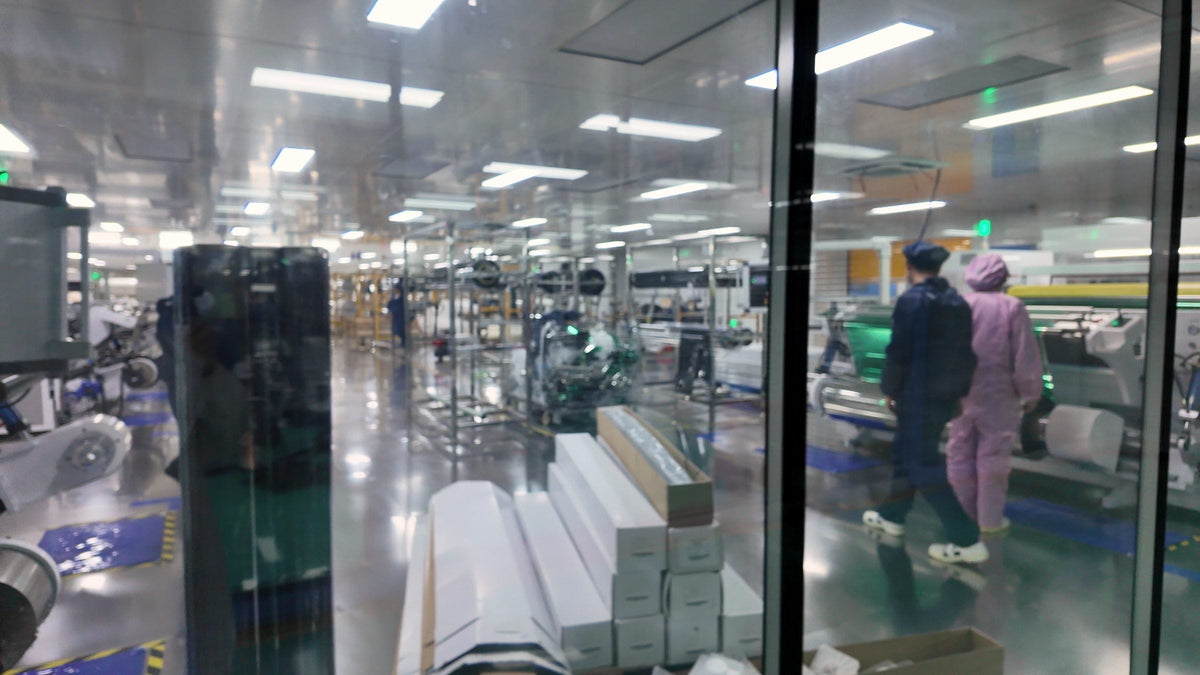
HIGHCOOL makes PPF, Color PPF, Window Film and Vinyl Wrap in its own 20,000 m² factory in Shanghai and sells factory-direct to shops and distributors in 60+ countries. PPF grades are built on TPU from Lubrizol, BASF, Covestro or Wanhua by grade, with warranties of 5 to 10 years by grade, and the US warehouse holds PPF for US buyers. Quotes go out within 12 business hours.
If you are planning next year's stock, look through the Paint Protection Film (PPF) range and tell us which finishes your customers ask for most.
FAQ
Is the PPF market still growing in 2026?
In our judgment, yes, with demand driven by new-car prices, EV designs and Color PPF. We do not quote market-size figures because we cannot source them reliably. Watch your own quote requests and local dealer packages for the best signal.
Is Color PPF replacing vinyl wrap?
Not fully, but it is taking color-change jobs where the customer also wants paint protection. Vinyl Wrap still makes sense for lower-budget or short-term color changes. Many shops now offer both and let the customer choose.
What should a PPF distributor stock for 2026?
Stock the gloss PPF grades your shops use every day, plus a matte option and a focused range of Color PPF. Base reorders on what your shops actually installed last season. Ask suppliers for samples before adding a new line.

Share:
Top 10 PPF Brands in 2026: A Professional Installer's Perspective
PPF Installation Failures: How Pros Fix Them