
The ten PPF brands installers compare most often in 2026 are 3M, Avery Dennison, Ceramic Pro (KAVACA), HEXIS (Bodyfence), LLumar, ORAFOL (ORAGUARD), PremiumShield, STEK, SunTek and XPEL. They are listed in alphabetical order, not ranked, because the right film for a shop depends on what customers ask for by name, what your distributor can supply and how the film behaves on your bench.
We are HIGHCOOL, a PPF factory in Shanghai, so we are not a neutral judge. We left ourselves out of the ten, we did not test these films side by side, and every warranty term and spec below is the maker's own published figure as we found it in October 2026. Check the current data sheet and warranty document before you quote a customer, because terms change and often differ by country.
What installers compare
A brand name sells the first job. What keeps a film on the shelf is how it handles: the TPU base and how evenly it is made, thickness from roll to roll, whether the topcoat heals reliably with heat, how much orange peel shows on a black hood, resistance to yellowing and staining, adhesive behavior when you slide and reposition, and how warranty claims are handled. A film that is great in one of those and weak in another costs you in callbacks.
The ten brands at a glance
| Brand | Owner or base | Film named here | Published warranty or service life |
|---|---|---|---|
| 3M | 3M | Scotchgard Paint Protection Film Pro Series, 8 mil | 10 years from purchase |
| Avery Dennison | Avery Dennison | Supreme Protection Film SPF-XI | 5 years at its launch |
| Ceramic Pro | Ceramic Pro Americas, San Diego | KAVACA ceramic-coated PPF | Up to 12 years, limited |
| HEXIS | HEXIS S.A., Frontignan, France | Bodyfence range | 2 years up to lifetime, by film, climate zone and installer status |
| LLumar | Eastman Performance Films | Valor | 12 years, limited |
| ORAFOL | ORAFOL, Germany | ORAGUARD 2815GF+ and 2815MF+, 0.160 mm | 10 years service life with specialist application |
| PremiumShield | Eastman | Elite NexGen, 195 µm | 10 years, limited |
| STEK | STEK, South Korea | DYNOshield, DYNOmatte, DYNOblack | Manufacturer warranty; term set by the installer program |
| SunTek | Eastman Performance Films | SunTek Ultra | 10 years, limited |
| XPEL | XPEL, Inc., San Antonio, Texas | ULTIMATE PLUS and STEALTH | 10 years from installation |
3M Scotchgard Pro Series
3M lists the Pro Series as an 8 mil self-healing film with low orange peel, and a 10-year warranty from purchase that covers yellowing, bubbling and cracking. The 3M name is known to almost every customer, and the film is easy to find through distributors. Shops that want a recognized name at the counter often keep it as a standard option.
Avery Dennison SPF-XI
Avery Dennison is a large maker of pressure-sensitive films, and many wrap shops already buy its vinyl. Its SPF-XI Supreme Protection Film is a top-coated polyurethane film. At launch, the company said minor scratches disappear within minutes at room temperature and gave it a 5-year warranty. For shops that already wrap with Avery vinyl, it is worth asking the same distributor about it.
Ceramic Pro KAVACA
Ceramic Pro is best known for coatings. Its KAVACA PPF comes with a ceramic coating applied to the film, sold as front bumper, full front or full vehicle packages, with a limited warranty of up to 12 years. It suits detail shops that already sell Ceramic Pro coatings and want one brand story for both services.
HEXIS Bodyfence
HEXIS is a French film maker based in Frontignan, and Bodyfence is its PPF range. The warranty covers yellowing and cracking, and the term depends on the film, the climate zone and whether a certified installer fitted it. In the reference zone, the top Bodyfence films carry lifetime coverage with a certified installer. It has a strong presence in Europe.
LLumar Valor
LLumar is an Eastman Performance Films brand. Valor is the PPF sold under it, described as self-healing with heat and hydrophobic, and it carries a 12-year limited warranty. LLumar sells through a dealer network, so access depends on whether there is space for your shop in that network locally.
ORAFOL ORAGUARD
ORAFOL is a German film maker known for wrap and graphic films. Its ORAGUARD 2815GF+ (gloss) and 2815MF+ (matte) are 0.160 mm self-healing polyurethane films, and the maker gives a service life of 10 years when applied by a specialist.
PremiumShield
PremiumShield was the brand of Matrix Films, which Eastman agreed to acquire in 2021, and it is now listed as an Eastman brand. Elite NexGen is a 195 µm polyurethane film with a high-gloss self-healing top layer and a limited 10-year warranty. Note that LLumar, SunTek and PremiumShield all sit under Eastman, so three of these ten names lead back to one parent.
STEK DYNO range
STEK is a South Korean maker. Its DYNO range includes DYNOshield (gloss with a hydrophobic topcoat), DYNOmatte (satin) and DYNOblack (gloss black for trim and chrome delete). The warranty covers yellowing, delamination and cracking through the installer program, and the term is set by that program, so ask your distributor for the exact document.
SunTek Ultra
SunTek is also an Eastman Performance Films brand. SunTek Ultra has a HydroResist topcoat for stain resistance, heals light scratches with heat from the sun or engine, and carries a 10-year limited warranty against cracking, bubbling and yellowing.
XPEL ULTIMATE PLUS and STEALTH
XPEL, based in San Antonio, Texas, is the name most customers know. ULTIMATE PLUS is its gloss self-healing film and STEALTH its matte film, and both carry a 10-year warranty from the date of installation that a later owner can take over for the remaining term. XPEL also runs a large pattern library and installer network, and that support is part of the price.
Choosing a PPF brand for your shop
No brand is best for every shop. A high-end studio may need a name customers ask for. A production shop doing fleets and daily drivers usually cares more about the same film every reorder, an adhesive that forgives a fast install and a warranty claim process that does not eat labor. Before you switch, run a sample on a bumper and a mirror, ask how claims are handled and who pays labor, and ask what happens when a reorder does not match the last roll.
For more on how films are built, see our TPU PPF buying guide and TPU vs TPH vs PVC. If you are weighing a factory-direct supplier against a distributor, factory-direct vs distributor covers the trade-offs.
Where a factory-direct supplier fits
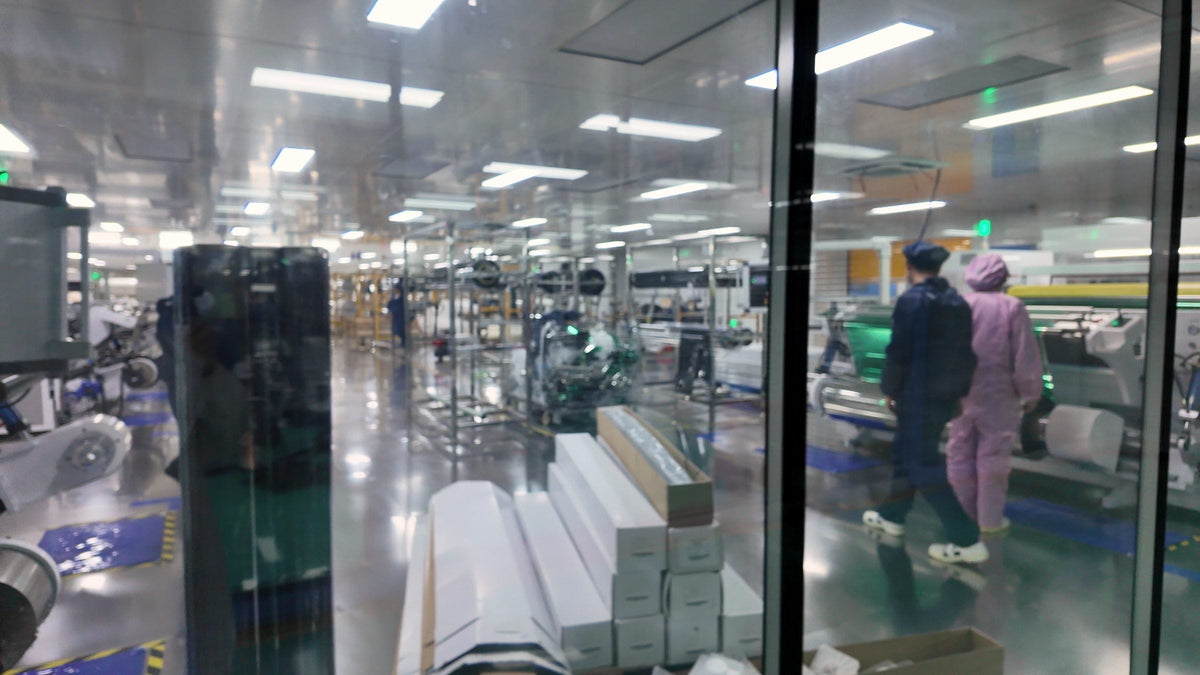
The ten brands above sell mainly through distributors and dealer networks. The other route is buying rolls from the factory that makes them, often under your own label. That is what HIGHCOOL does. We make PPF in our own 20,000 m² Shanghai factory, certified to ISO 9001, on TPU from Lubrizol, BASF, Covestro and Wanhua depending on the grade, with a self-healing topcoat and warranties of 5 to 10 years by grade. Every roll carries its own code for warranty tracing, private label starts at 30 rolls per model, and the US warehouse holds PPF stock. Free A4 samples come from our US sample stock, with the buyer paying shipping.
If you want to test our film next to the one you use now, look through the Paint Protection Film range and ask for samples through the contact page.
FAQ
What is the best PPF brand in 2026?
There is no single best brand for every shop. 3M, Avery Dennison, Ceramic Pro, HEXIS, LLumar, ORAFOL, PremiumShield, STEK, SunTek and XPEL each have a following, and they differ in warranty, finish options and how they reach shops. Pick by how the film handles in your bay and how its maker handles claims.
How long are PPF warranties from the major brands?
Most flagship films from the major brands carry about 10 years, and some go to 12 years, by the makers' published terms. Terms differ by country, finish and installer status. Read the actual warranty document, not the headline.
Do LLumar, SunTek and PremiumShield come from the same company?
Yes. All three are Eastman brands, with LLumar and SunTek under Eastman Performance Films. They are sold as separate lines with their own films and warranties.

Share:
Tesla Model 3 Highland and Model Y: PPF Inventory Strategy for 2026
The 2026 PPF Market: What Shops and Distributors Should Expect