
Sell PPF to customers who need protection from impact, and ceramic coating to customers who want a slicker, easier-to-wash finish. For most new cars that are driven on the highway, the package that holds up best is both: paint protection film on the front end, and a coating over the film and the rest of the car. The job at the counter is finding out which customer you are talking to.
What PPF and ceramic coating each do
Paint protection film is a clear layer of thermoplastic polyurethane (TPU) with an adhesive underneath and a topcoat on top. It is thick enough to take a stone hit that would chip bare paint. A self-healing topcoat lets light swirls and wash marks level out with heat from the sun or warm water. When the film has done its job, it can be removed and replaced.
A ceramic coating is a liquid, usually silica-based, that cures into a very thin hard layer on the paint. It makes the surface slick, so water beads and runs off and dirt washes away with less effort. It gives bird droppings, bug splatter and road grime a little more time before they etch the clear coat. It does not stop a rock chip. The layer is far too thin for that.
| PPF | Ceramic coating | |
|---|---|---|
| Rock chips and impact | Takes the hit | No real protection |
| Light swirls and wash marks | Self-healing topcoat levels them with heat | Some resistance, but marks stay until polished |
| Water beading and easy washing | Good on film with a hydrophobic topcoat | Its main strength |
| Bird droppings and bug etching | The film takes the damage instead of the paint | Buys time to wash it off |
| Service life | Multi-year, backed by the film warranty | Depends on the product and how the car is washed |
| Coverage people usually buy | Front end, high-impact areas, or full car | Full car |
How to qualify the customer
Four questions sort most customers in a couple of minutes. How much highway driving do they do, and on what roads? How long will they keep the car? Is it leased? How much do they care about washing time compared with chips?
A highway commuter keeping the car for years needs film on the front end at a minimum, because that is where chips pile up. A garage-kept weekend car that mostly sees town roads can do well with a coating alone. A leased car often justifies front-end film, because chips on the hood and bumper can show up as wear charges at return. A customer who hates washing and keeps the car outside will be happiest with a coating, either on paint or on top of film. For more on how protection affects trade-in, see our article on wraps, film and resale value.
Selling the combined package
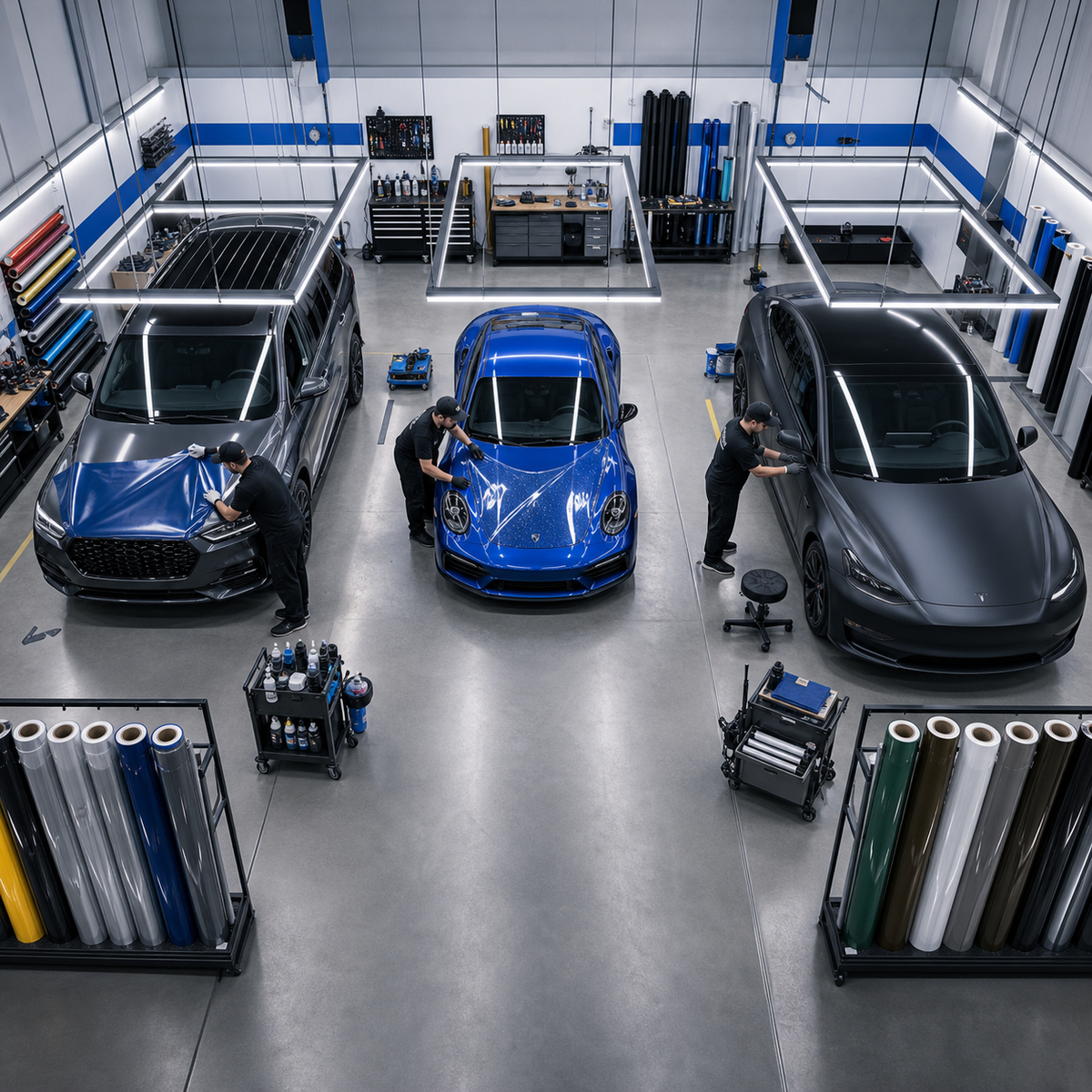
The usual combined job is film on the bumper, hood, fenders and mirrors, then a coating over the film and the uncovered panels. The customer gets chip protection where the car takes hits and one even, easy-to-wash finish over the whole car. For the shop, it is two services on one booking, with the coating done after the film has settled.
When you coat over film, use a coating that its maker approves for PPF. Some coatings are made for paint only, and the film maker's warranty terms may say which products are allowed on the topcoat. Check both before you coat.
Customers who track their cars or drive gravel roads are a separate case and may need heavier film. Our article on heavy-duty PPF for track and off-road use covers that customer.
Where each job goes wrong in the bay
Coating comebacks usually trace to poor decontamination before application or high spots left when the coating was not leveled in time. Film comebacks usually come from lifted edges, stretch marks and silvering, and contamination trapped under the film. Most of these come down to prep and technique. Our guide to fixing PPF installation failures goes through each one. Adhesive also plays a part, and our article on low-tack PPF adhesive explains how initial tack affects repositioning and how the bond builds after the install.
On older cars, correct the paint first. Film locks in whatever is underneath it, chips and swirls included, so polish and touch up before you film or coat. If the paint is too far gone for that, a color change may be the better sale, and our article on wrapping older cars and removing old wraps covers that route.
Film quality decides the comebacks
A cheap film that yellows or cracks after two summers costs the shop more than it saved, because the customer comes back to you, not to the film maker. That is the case where a good coating would have served the customer better than a bad film. Climate matters too: heat and strong sun are hard on any film, as our article on weather and film durability explains. If customers also ask whether window film will block phone or GPS signals, our article on ceramic window film and 5G signals answers that.
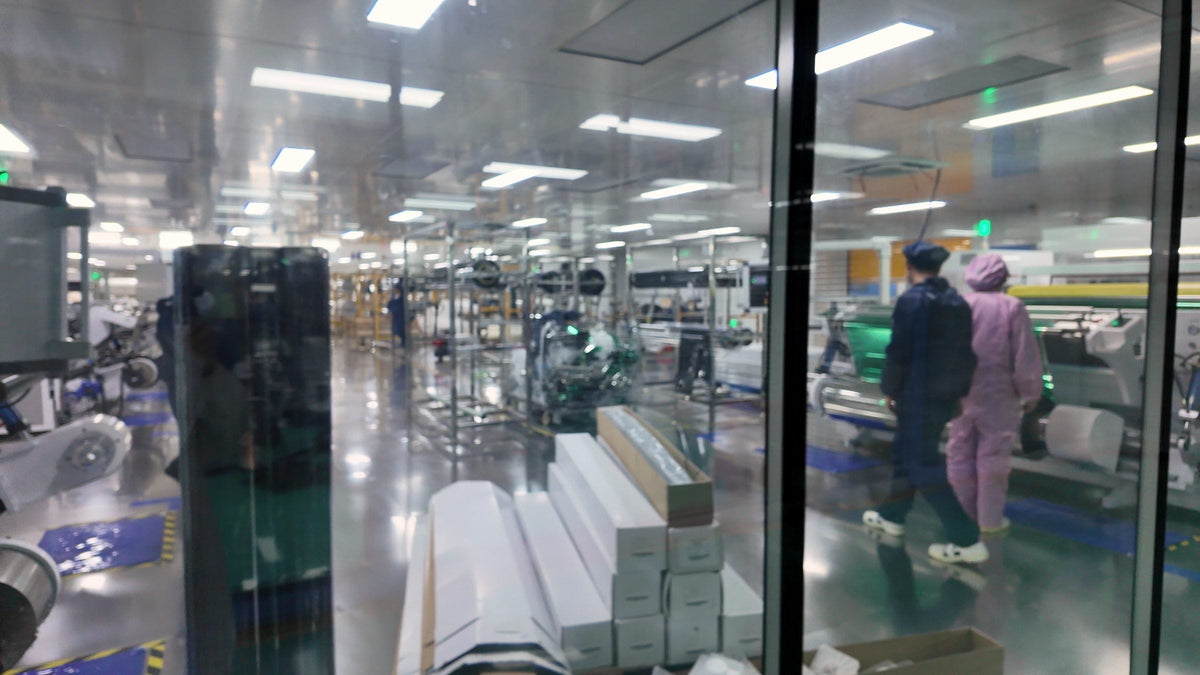
HIGHCOOL makes paint protection film in our own factory in Shanghai. Our PPF grades are built on TPU from Lubrizol, BASF, Covestro and Wanhua. The Lubrizol, BASF and Covestro grades use Ashland adhesive. Our Wanhua grade uses a domestic adhesive. Every grade has a self-healing topcoat, the warranty runs 5 to 10 years depending on the grade, and each roll carries its own code for warranty tracing. You can see the full line-up in our product catalog and the film specs in our Paint Protection Film collection.
If you want to test our film before you build a PPF and coating package around it, ask us for free A4 samples; they ship from our US sample stock and you pay only the shipping.
FAQ
Does PPF replace ceramic coating?
No, they do different jobs. PPF stops rock chips and scratches, while a coating makes the surface slick and easier to wash. Many shops put film on the front end and coat over the film and the rest of the car.
Can you put ceramic coating on top of PPF?
Yes, if the coating is approved for use on paint protection film. Some coatings are made for paint only, and the film maker's warranty may list which products are allowed on the topcoat. Let the film settle before coating, and check both makers' instructions.
Which is better for rock chips, PPF or ceramic coating?
PPF. A ceramic coating is far too thin to absorb a stone hit, so it gives no real chip protection. If the customer drives on the highway, put film on at least the bumper, hood and mirrors.

Share:
PPF Self-Healing: How It Works and Its Limits
Paint Protection Film: Technical Guide for Installers and Distributors