
Yes, you can tint over factory privacy glass, and on a Toyota Tacoma the usual job is the opposite: tint the clear front doors so they come closer to the dark rear glass. An exact match is rarely legal, so the goal is a front shade that looks balanced and still passes in the customer's state.
The mismatch is easy to spot. Tacoma trims with privacy glass leave the factory with dark rear windows and clear front doors, and from the side the truck looks half finished. Owners come in asking to "make it all match," and that is where the conversation needs a meter and a law book.
Factory privacy glass vs window tint
Privacy glass is tinted in the glass itself when it is made. Window tint is a film applied to the inside of the glass afterward. From the curb they can look alike, but they do different jobs.
Privacy glass is mainly about looks and visible light. How much heat and UVA it stops varies by glass, and the window sticker rarely tells you. A good film adds infrared heat rejection and UV blocking that the dark glass may not have. That is why some owners tint over the privacy glass too, not only the fronts.
When you put film over privacy glass, the darkness multiplies. As a rough guide, a 50% film over glass that meters 20% gives a window near 10%. Meter the rear glass before you pick a shade, or the back of the cabin ends up much darker than the customer pictured.
Why the front windows cannot just copy the rear
Factory privacy glass is often far darker than what most states allow on the front doors. A few examples:
| State | Front side window rule |
|---|---|
| New York | At least 70% light through, checked at annual inspection |
| Pennsylvania | At least 70% on every vehicle |
| Illinois | At least 50% when the rear glass is factory tinted |
In all three, copying the rear shade onto the front doors would be illegal. Our window tint laws guide covers other states.
The limits apply to the glass and film together. Factory front glass is not perfectly clear, so the film you install has to be a bit lighter than the legal number. Meter the bare front glass first.
How to get a better match on a Tacoma
Aim for what the eye sees, not the number. A front door at the legal limit will never read as dark as privacy glass under a meter, but from ten feet away the difference shrinks a lot once the fronts carry any film at all. Most of the "unfinished" look comes from clear fronts next to dark rears.
Tone matters as much as darkness. Privacy glass can have a slight green or bronze cast, while many films are neutral charcoal. Hold a sample against the rear glass in daylight before you order rolls for the job, because a tone mismatch shows more than a shade gap.
Check the truck from outside at several angles and from the driver's seat at dusk. Tacoma owners drive trails, job sites and long highway stretches, often in poor light. A front window the driver cannot see through on a dark back road is a bad trade for a better photo.
Our window tint percentages guide shows what each shade looks like in practice.
What the owner gets besides the look
Tinting the front doors starts as a looks job but also changes how the cab feels. Glare drops, the sun on the driver's arm is less harsh, and a quality film blocks most UV. The Skin Cancer Foundation notes that UVA passes through side glass and that UV window film reduces it; its overview is here: UV Window Film & Tint.
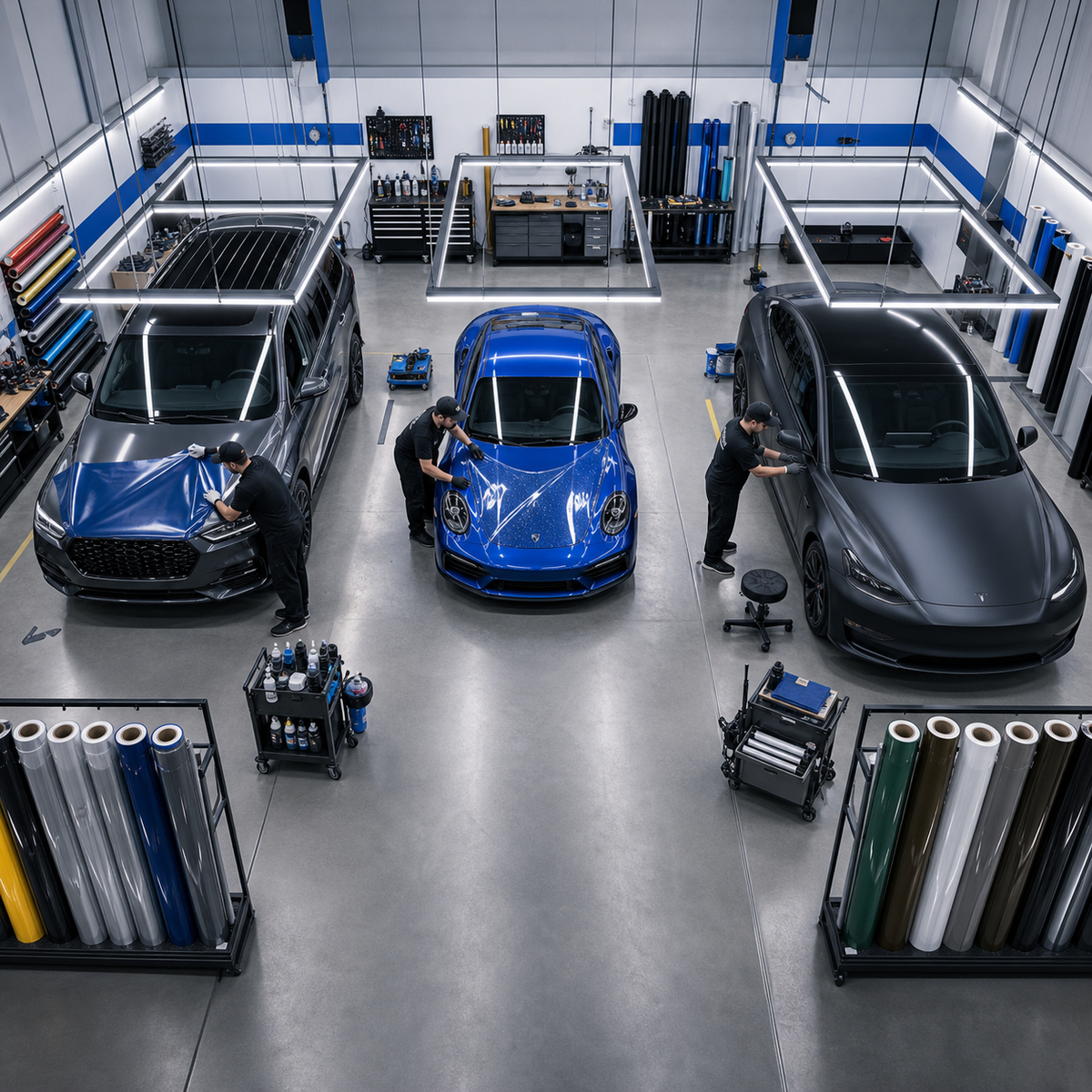
Trucks also take a beating on the paint. Automotive Window Tint handles the glass, and Paint Protection Film covers the hood, fenders and bumper against gravel and trail rash. Owners curious about film at home can read about home window film and architectural and decorative film.
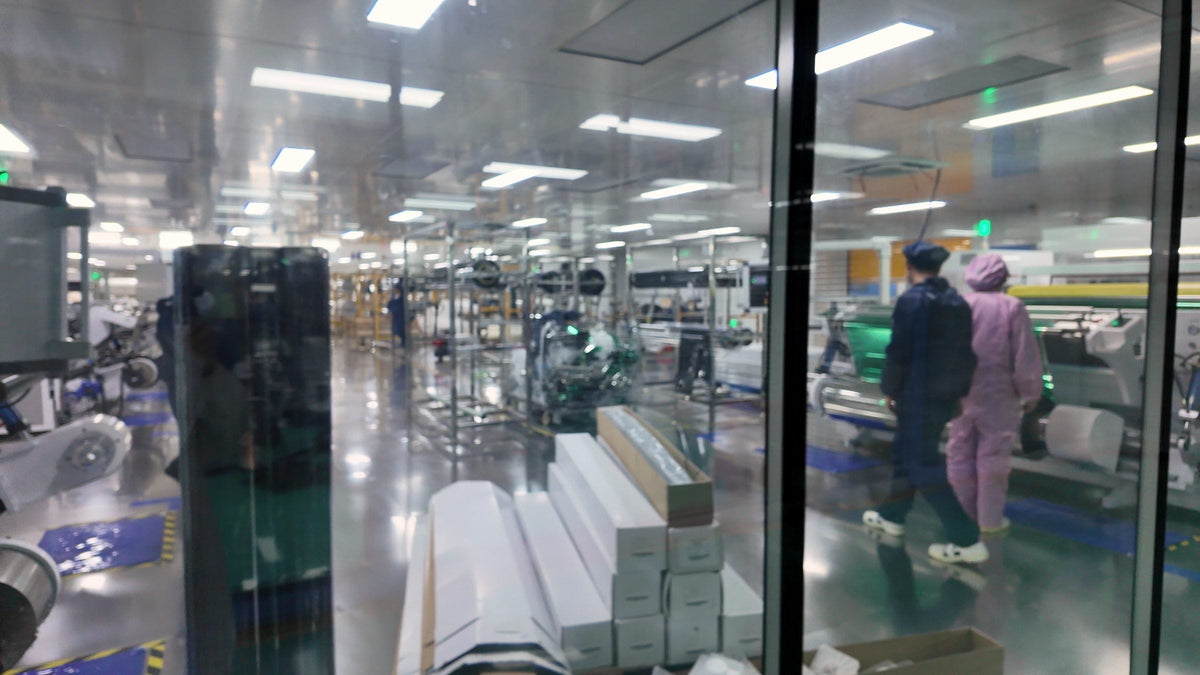
HIGHCOOL makes Window Film by the roll in our Shanghai factory and ships it from China. If you tint a lot of trucks with privacy glass and want to test our shades and tones against it, ask for free A4 samples (sent from US sample stock, you pay shipping) through the Window Film collection.
FAQ
Can you put tint over factory privacy glass?
Yes, film can go over privacy glass, and it adds heat and UV rejection the glass may not have. The two layers multiply, so the window gets much darker than either one alone. Meter the glass first and check the rear-window rules in your state.
Can I tint my Tacoma's front windows to match the rear privacy glass?
Usually not exactly, because privacy glass is darker than most states allow on front doors. New York and Pennsylvania require 70% on the fronts, and Illinois caps them at 50% when the rear glass is factory tinted. A legal front shade with a matching tone still looks far more even than clear glass.
Is factory privacy glass the same as window tint?
No, privacy glass is tinted during manufacturing, while window tint is a film applied to the inside afterward. Privacy glass mainly reduces visible light. A quality film adds infrared heat rejection and UV blocking.

Share:
Ohio Tint Rules: 50% VLT Guide for Tint Shops
Ceramic Tint Ghosting and Low-Angle Haze: How Cheap Film Hurts Shop Reputation