
Paint protection film turns yellow when UV and heat break down the film's materials, mainly a low-grade TPU base, an adhesive that oxidizes, or a topcoat without enough UV stabilizer. Good film resists it for years. Cheap film can start to go amber within a year or two, and it shows first in hot, sunny states like California, Arizona, Texas and Florida.
Once a film has yellowed, there is no polishing it back. The only fix is to pull it and reinstall, and for the shop that put it on, that is a free redo and an unhappy customer. Knowing where yellowing comes from is the best way to avoid buying it.

The science behind yellowing
Sunlight, oxygen and heat slowly oxidize the polymers in the film. That chemistry produces small light-absorbing groups, called chromophores, that soak up blue light. Take blue out of white light and what is left looks yellow. The process is gradual, which is why a car can come back looking fine at six months and tea-colored a year later.
The main triggers
The first is the TPU base. Aromatic TPU is cheaper and yellows under UV far faster than aliphatic TPU, which is the type used in quality PPF. Ask any supplier which one you are buying.
The second is the adhesive. A poor adhesive can oxidize under the film and cloud it from beneath, and no surface cleaning reaches it.
Third is UV protection in the coating. Films without enough UV absorbers and light stabilizers, such as HALS, age faster. Pollution and harsh chemicals add to it: iron fallout, acid rain and strong wash detergents speed up surface staining. Storage counts too. Film that sits in a hot container or warehouse can start aging before it is ever installed.
How HIGHCOOL builds PPF against yellowing
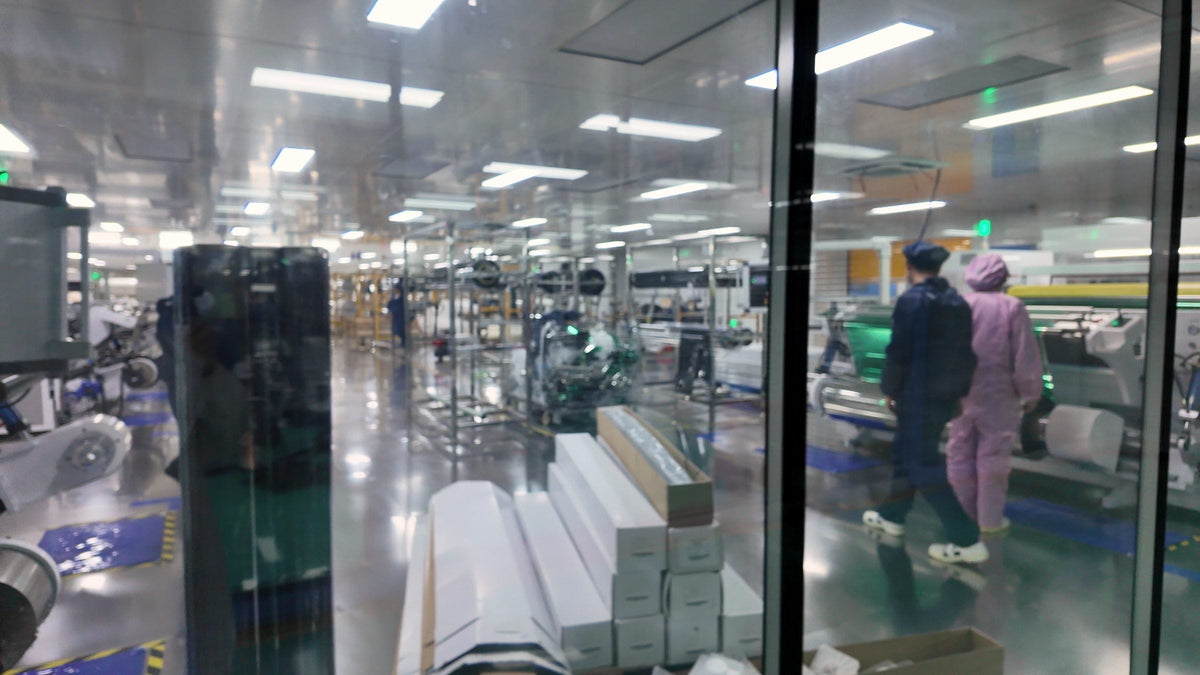
HIGHCOOL makes PPF in its own 20,000 m² factory in Shanghai, and the material choices are where yellowing is won or lost.
TPU base
Our PPF grades are built on TPU from Lubrizol, BASF, Covestro or Wanhua, depending on grade. Buyers can ask which source is in the grade they are quoting.
Adhesive
The Lubrizol, BASF and Covestro grades use Ashland adhesive. The Wanhua grade uses a domestic Chinese adhesive. We state which is which so you know what you are stocking.
Topcoat
The topcoat is self-healing, so light swirls close up with heat, and it carries UV stabilizers to protect the layers below.
Traceability
Every roll carries its own code. If a customer ever comes back with a film problem, the roll can be traced to its batch, which matters more than any brochure claim when you are dealing with a warranty.
Built for hot US climates
Phoenix sun and Miami humidity both push film hard. Our PPF warranties run 5 to 10 years depending on grade, and our US warehouse holds PPF stock for American shops. If you want to see how a grade holds up before you commit, put a sample on a test panel and leave it in the sun next to the film you use now.
To compare grades for your own climate, browse HIGHCOOL PPF and request free A4 samples, shipped from our US sample stock with the buyer covering shipping.
FAQ
Why does PPF turn yellow?
UV light and heat oxidize the film's materials and create compounds that absorb blue light, so the film looks yellow. Aromatic TPU, weak adhesives and topcoats without enough UV stabilizer yellow fastest. Quality aliphatic TPU film resists it for years.
Can yellowed PPF be fixed?
No. Yellowing happens inside the film and the adhesive, so cleaning or polishing cannot reverse it. The film has to be removed and replaced.
How can a shop avoid PPF that yellows?
Ask the supplier for the TPU source and adhesive, and check the warranty terms for yellowing. Then test a sample in the sun next to your current film before ordering rolls.

Share:
Color PPF in 2025: Why Shops Are Adding It
TPU is the Foundation of Car Protection Film Performance