
Plan 100ft rolls of 20% VLT tint from your own job data: average feet used per car, your real waste and redo rate, and how many 20% jobs you book in a busy week. A dollar target on the whiteboard tells you nothing about how much film the day will eat.
20% is one of the shades most shops sell without any persuasion. It looks clearly darker than factory glass without going limo-dark, so it ends up on daily drivers, SUVs and sedans alike. That is exactly why it runs out first. Most shops do not lose a busy day to a slow sales team. They lose it at 2 p.m., when the installer pulls the 20% roll and finds eight feet left.
Why 20% VLT is an anchor shade
Our window tint percentages guide explains where 20% sits: dark enough that the customer sees the upgrade, light enough that most people can live with it at night. In many states it is legal only on the rear side windows and back glass, so check the local law before you quote it on front doors. Even with that limit, it is a shade that shows up on job after job.
A shade that moves like that should not be ordered the same way as a specialty shade you sell twice a month. The question stops being whether you stock it and becomes how deep you stock it and when you reorder.
Turn a revenue goal into feet of film
"We want a $5,000 day" only becomes a stock plan once you tie it to the work behind it. Before you set the number, write down:
- how many vehicles you expect, and how many are sedans versus SUVs and trucks
- the mix of full jobs, rear-only jobs and single-window repairs
- the average feet of film per job type, taken from your own cut sheets
- your trim and edge waste per job
- how often a panel gets cut twice or a window gets redone
Once those numbers exist, the 100ft roll becomes a useful unit. It is easy to count, easy to reorder and easy to relate to real jobs. As an example of the math only: if your shop averages 20 ft per full job once trim and the occasional recut are included, one 100ft roll covers about five full jobs, not the six or seven a clean-cut estimate suggests. Use your own average, not this one.
The problem with best-case roll math
Best-case math assumes every cut is efficient, every car uses the same amount of film and nobody ever cuts a back glass twice. A real day has edge waste, a minivan that was booked as a sedan, a customer who changes from 35% to 20% at the counter, and one window that has to come off because of a contamination spot.
None of that is rare, so build it into the plan. If you do not know your waste rate, track it for a month: log feet pulled from the roll against feet that ended up on glass. That one number makes every later order more accurate.
What running short on a busy day costs
When the shop is slow, thin stock hides. When the schedule is full, it shows up fast. Jobs slide to the next day, installers start stretching the last few feet of a roll, and someone suggests using 15% instead because it is what is on the shelf. Each of those choices is how a redo or a bad review starts.
Stock depth also changes how the front desk sounds. A shop that knows the 20% is on the shelf quotes faster and books the next slot without checking first. A shop that is unsure about stock sounds unsure on the phone too.
A layered stock plan
Instead of one jobs-per-roll guess, plan in layers:
- Vehicle mix. A shop that mostly does sedans burns film at a different rate than one that does large SUVs and trucks.
- Waste. Use the tracked number, not a hopeful one.
- Redo exposure. Every shop has some. Leave room for it in the anchor shades.
- Shade turnover. Low-turn shades can be ordered when needed. High-turn shades like 20% need a buffer roll on the shelf before the open one runs low.
| Planning factor | Thin plan | Working plan |
|---|---|---|
| Revenue goal | start with a dollar target only | convert the target into jobs and feet of film |
| Roll assumptions | assume perfect yield | use tracked waste and redo rates |
| Shade planning | treat all shades the same | carry more depth in high-turn shades |
| Reordering | wait until stock feels low | reorder when the buffer roll is opened |
Where 20% fits in the sales conversation
Most customers who land on 20% got there by comparing it with something else. Shops that sell it often also get asked about 15% vs 20% tint and ceramic vs regular film. If you sell 20% in two film lines, a dyed one and a ceramic one, plan each as its own anchor, because a customer who chose ceramic will not accept the dyed roll as a swap.
Batch consistency matters here too. When the next roll of the same 20% film reads differently from the last one, a back glass installed this week will not match a side window installed last month. Buy your anchor shades from one supplier and one product line so reorders match.
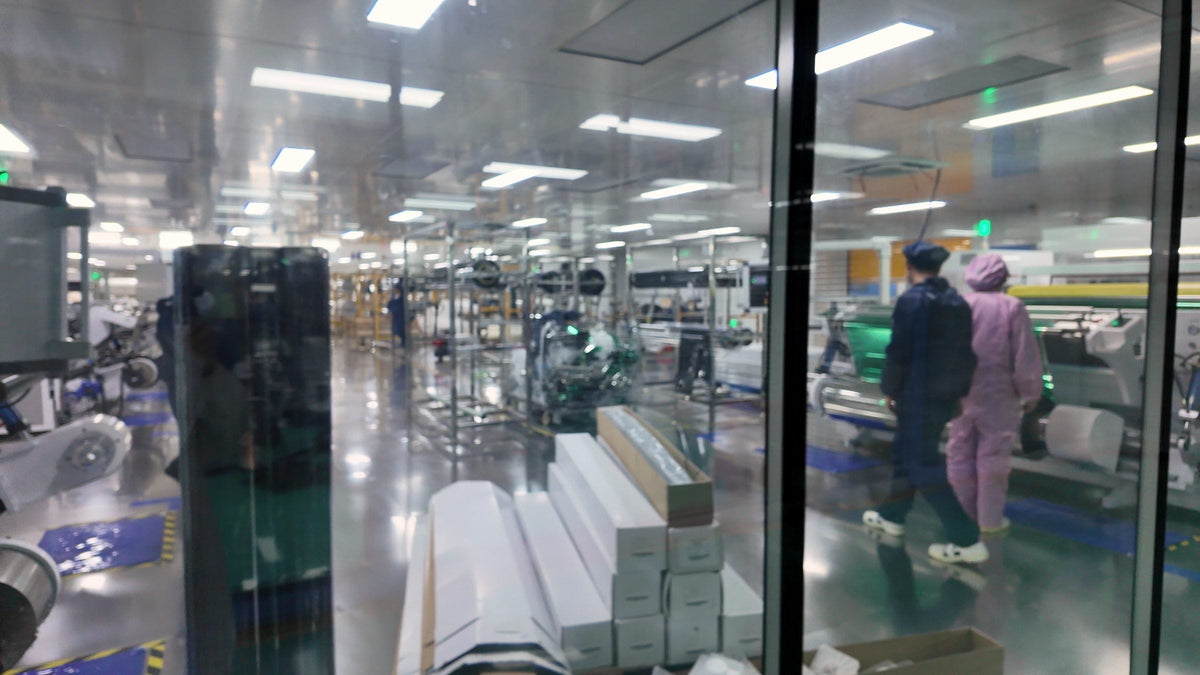
HIGHCOOL makes automotive window tint in multiple VLT options at our own factory in Shanghai, and window film ships from China, so plan your reorder point with the transit time in mind. Tell us your monthly job count and shade mix through our contact page and we will quote the roll mix within 12 business hours.
FAQ
How many cars can one 100ft roll of 20% tint cover?
It depends on your vehicle mix, the job type and your waste rate, so the honest answer comes from your own cut sheets. Divide 100 ft by your tracked average feet per job, including trim and recuts. Shops that use a clean-cut estimate instead usually run out sooner than planned.
How much 20% film should a busy tint shop keep in stock?
Keep at least one unopened buffer roll behind the open one, and reorder when the buffer roll is opened. Shops with high volume or long shipping times need more depth than that. The right number comes from your weekly 20% job count and how long a reorder takes to arrive.
Is 20% window tint legal on front windows?
In many US states it is not, because front side windows must let through more light than 20%. It is usually legal on rear side windows and back glass, but limits vary by state and vehicle type. Check the current state rule before you quote 20% on front doors.

Share:
Ohio Tint Rules: 50% VLT Guide for Tint Shops
Ceramic Tint Ghosting and Low-Angle Haze: How Cheap Film Hurts Shop Reputation