
In New York, neither 35% nor 50% window tint is legal on the windshield or the front side windows, because state law requires those windows to let through at least 70% of outside light. The 35% vs 50% choice is real only for the glass behind the driver, and even there it depends on what kind of vehicle it is.
That is the part many tint guides skip, and it is the part that brings a car back to your shop after it fails inspection. Get the legal map right first, then help the driver pick the shade.
New York window tint law in plain terms
According to the New York DMV tinted windows page, the windshield and front side windows cannot block more than 30% of the light. Tinted windows have been checked during the state vehicle inspection since January 1, 2017.
| Window | Sedan, coupe, hatchback, wagon, convertible ("Passenger Car" on the door label) | SUV, pickup, van (not labeled "Passenger Car") |
|---|---|---|
| Windshield | At least 70% light through | At least 70% light through |
| Front side windows | At least 70% | At least 70% |
| Rear side windows | At least 70% | Not covered by the 70% rule |
| Rear window | At least 70%, unless the car has outside mirrors on both sides | At least 70%, unless the vehicle has outside mirrors on both sides |
The limit applies to glass and film together, and factory glass is never perfectly clear. So a 50% film on a front door does not read 50% on a meter. It reads lower, and either way it is far under 70%. Drivers with a qualifying medical condition, such as lupus or photophobia from an eye or neurological disorder, can apply for an exemption on form MV-80W.
In practice, that leaves the rear side windows and back glass of SUVs, pickups and vans, plus the rear window of a sedan with mirrors on both sides. That is where 35% and 50% are both options.
What 35% and 50% look like on the back glass
50% is subtle. It takes the glare off, makes the cabin look finished from outside and still lets you see clearly through the rear window at night. Many owners who expected it to look like nothing end up liking it, because the car looks cleaner without looking tinted.
35% is clearly darker. Passengers in the back get more privacy, kids get less sun in their eyes, and the car has a stronger look from the side. The tradeoff shows up when backing out of an unlit driveway in January, or checking over your shoulder on a wet night with headlights behind you.
New York driving has plenty of both. Winter evenings get dark early, parking garages are dim, and city streets are full of cyclists and pedestrians at the corners of your vision. If the rear glass is mostly for passengers, 35% makes sense. If the driver relies on the rear window a lot and has not lived with dark glass before, 50% is the easier choice.
The film matters more than the number
Darker does not mean cooler. The shade decides how much visible light gets through. The film construction decides how much heat is blocked. A good ceramic film at 50% can keep a cabin cooler than a cheap dyed film at 35%, which matters a lot in a state where the front windows have to stay light anyway. On the front windows, a very light ceramic film is the only kind that can work, and only if the glass-and-film reading stays at 70% or above. Test the glass before you promise it.
UV works the same way. The Skin Cancer Foundation notes that UVA rays pass through car side windows and recommends UV-blocking film; its overview is here: UV Window Film & Tint. Quality film blocks UV at any shade, so a lighter legal film still protects skin and interior trim.
For the background, see our guides to window tint percentages, ceramic vs regular tint and ceramic window tint cost.
What a New York tint shop should stock
Lighter shades do most of the legal work in New York, so the film line has to carry the heat rejection. Keep a light ceramic shade for customers who want heat control on legal glass, and 35% and 50% in the same film line for the back glass of SUVs and trucks, so the color matches front to rear. Our lightest Window Film grades are WV70 and WU70 at a nominal 70% VLT, plus KU70, a 4 mil windshield-grade nano ceramic UV400 film, also nominal 70%. On factory glass the combined reading usually falls below 70%, so they suit New York front glass only if your meter says so. For the back glass, WV30 and WU30 are the nearest nominal shades to 35%, both nano ceramic with a 7-year warranty. Our ceramic charts step from 30% straight to 70% with no 50% shade, so tell us if 50% is a big part of your back-glass work. Our windshield protection film, a separate product for stone chips, is launching soon, and you can ask us about it now. Check the vehicle class on the door label before quoting, and write the shade per window on the work order. If the car comes back from inspection, that order is your record.
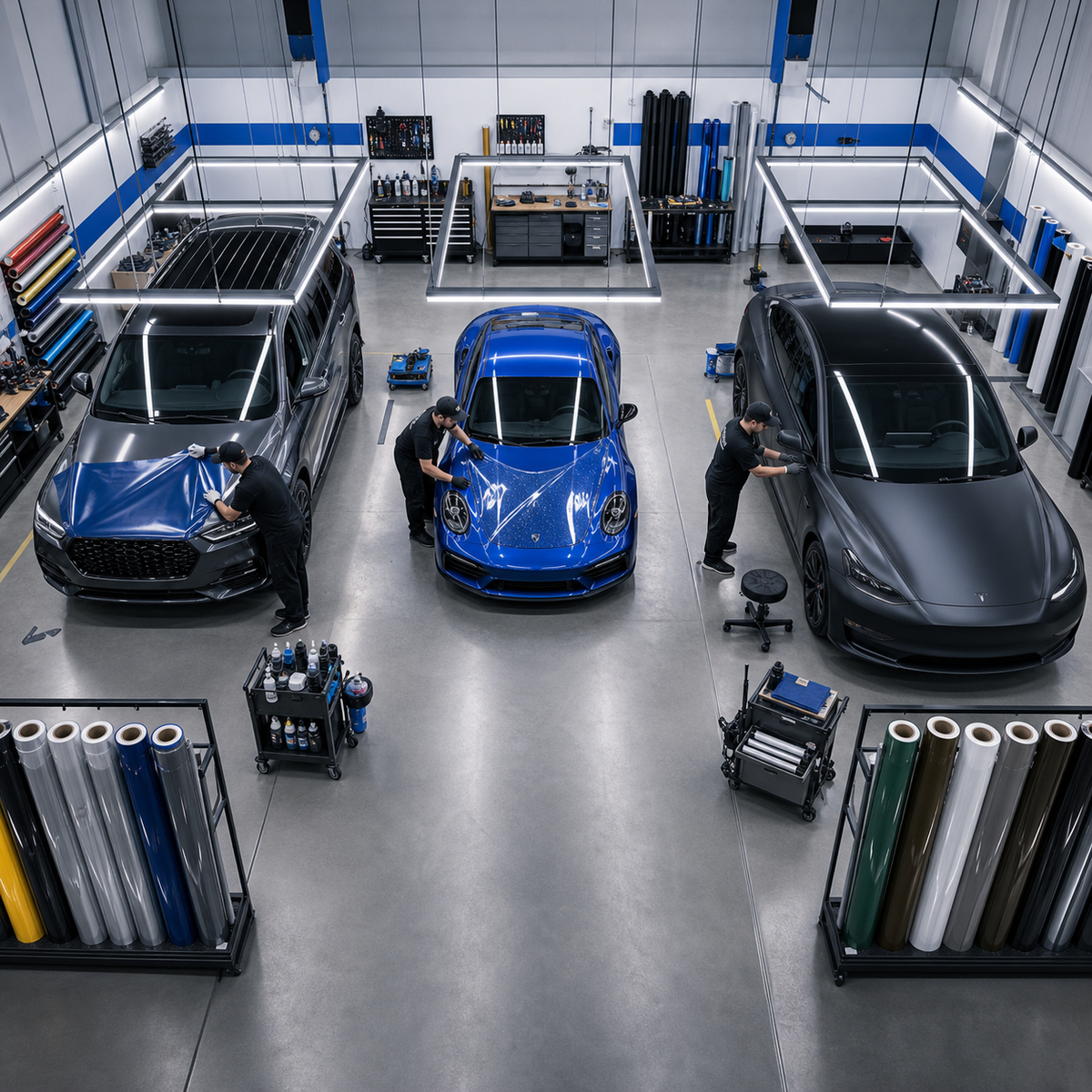
Tint also pairs well with paint protection on the same visit. Automotive Window Tint handles glare, UV and heat inside, and Paint Protection Film takes stone chips and road wear outside. Customers who ask about glass in their homes can read about home window film pros and cons and architectural and decorative privacy film.
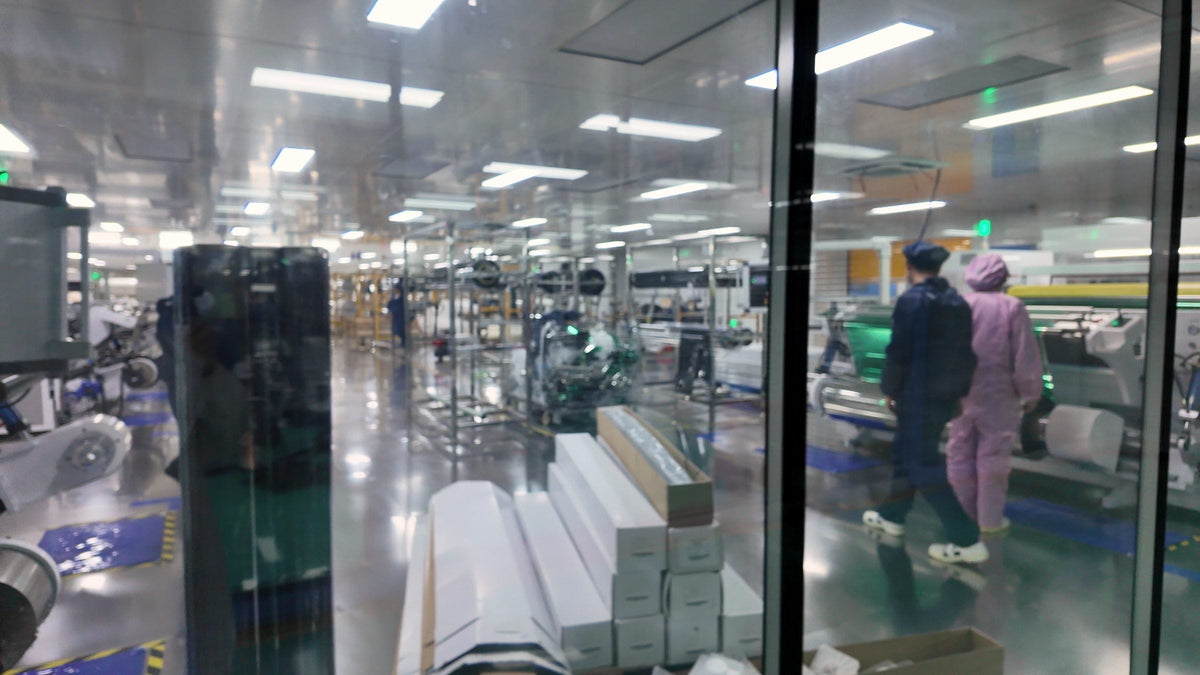
HIGHCOOL makes Window Film by the roll in our own Shanghai factory and ships it from China, and free A4 samples come from our US sample stock with the buyer paying shipping. If you want light ceramic and 35% and 50% shades from one film line, send us your monthly roll volume through the contact page and we will quote within 12 business hours.
FAQ
Is 35% or 50% tint legal in New York?
Not on the windshield or the front side windows, which must let in at least 70% of light. On sedans and other vehicles labeled "Passenger Car", the rear side windows must also meet 70%. Both shades can go on the rear side windows of SUVs, pickups and vans, and on the rear window of a vehicle with mirrors on both sides.
Which is better for night driving, 35% or 50% tint?
50% is better for night driving because it lets more light through the rear glass. The difference shows most when reversing in the dark or checking over your shoulder in rain. 35% suits drivers who care more about rear-seat privacy.
Does New York check window tint at inspection?
Yes. Since January 1, 2017, tinted windows have been part of the New York State vehicle inspection. A car with film that blocks too much light on regulated windows can fail.

Share:
Ohio Tint Rules: 50% VLT Guide for Tint Shops
Ceramic Tint Ghosting and Low-Angle Haze: How Cheap Film Hurts Shop Reputation