
Price 50% carbon tint for used car lots with a simple matrix: a per-car rate that changes with the account's monthly volume and the vehicle type, sitting on a floor you never go below. Lots do not buy tint the way retail customers do. They buy presentation and turn time across many cars, so one flat discount off your retail price usually leaves money on the table with big accounts and loses money on small ones.
What used car lots are really buying
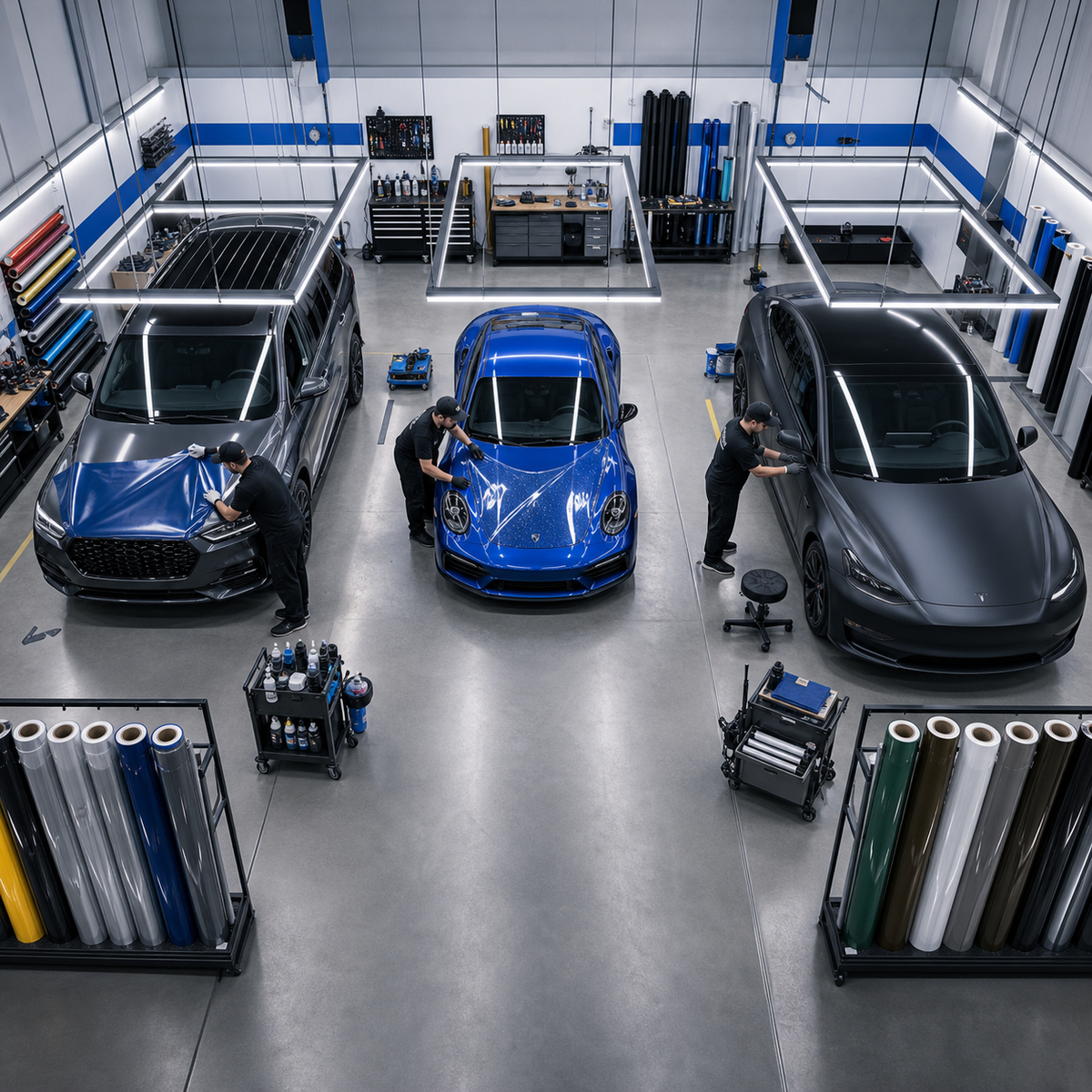
A retail customer picks a shade they like and pays for the look. A lot manager is reconditioning inventory. The car needs to look finished on the front row, get back from the tint shop quickly, and sell to a buyer the lot has not met yet. Their questions are practical. Will every car come back looking the same? How fast? What does it cost per unit, and how many approvals does it take?
That changes what you sell. The lot does not need your top ceramic line or a limo shade. It needs a package that makes the car look a step up from bare glass, appeals to the widest range of buyers, and is easy to approve car after car.
Why 50% carbon tint fits lot work
A 50% shade takes the glare off and makes the glass look finished without making the car feel customized. It suits almost any buyer, which matters when the lot has no idea who will drive the car home. Our guide to window tint percentages explains how mid-range shades still add visible value even when the goal is not a dramatic look.
Carbon film is the right level for this job. It looks and lasts better than dyed film, it holds its color instead of turning purple, it has no metal to interfere with phones or GPS, and it costs less than ceramic. The lot gets a credible upgrade it can mention on the window sticker, and you keep the material cost low enough to quote volume. For the full comparison, see carbon vs ceramic window tint.
Check the law before you set this up as a standard package. A 50% film on front side windows is legal in many US states but too dark in others. California and New York, for example, require 70% on the front sides, and the film's VLT drops further once it is on factory glass. In those markets, offer the package for the rear windows only or use a lighter shade up front.
What your pricing should reflect besides film cost
Film cost plus a markup is where most shops start, and it is the wrong place to stop. A per-car price for a lot should account for:
- how many cars the account sends each month, and how steady that volume is
- the vehicle mix, since a pickup with a slider or an SUV with curved back glass takes longer than a compact sedan
- whether the cars arrive clean or need old film removed first
- the turnaround the lot expects, and whether you pick up and drop off
- how the lot pays, and how fast
A lot that sends ten cars every week on a fixed schedule is worth a lower per-car rate than one that calls twice a month. Rewarding predictable volume is fine. Discounting unpredictable volume is how lot work turns unprofitable.
A simple pricing matrix for 50% carbon tint
We do not print rates here, because your price depends on your labor cost, your market and your film cost. The structure below is what we see work for shops selling to lots.
| Account type | Weak pricing logic | Better pricing logic |
|---|---|---|
| Small, occasional lot | Price by instinct each time | Standard lot rate with a minimum per visit |
| Repeat mid-size lot | Same flat rate as everyone | Lower rate once monthly volume is proven, reviewed every quarter |
| Large, high-turn lot | Lowest bid to win the account | Volume rate tied to a committed schedule, with surcharges for removal and large vehicles |
Inside each row, set separate prices by vehicle class (sedan, SUV, pickup) and add-ons for old film removal and windshield strips. Write it on one page. The lot manager can approve it once, and nobody has to call you before every car.
Protect the margin on basic packages
Lot work is price-sensitive, which is exactly why it needs guardrails. When a shop underprices it, the work becomes the job nobody wants. Installers rush to get through it, edges lift, dust gets trapped, and the redos eat whatever margin was left. A floor price, a minimum per visit and clear add-on charges keep the account worth doing.
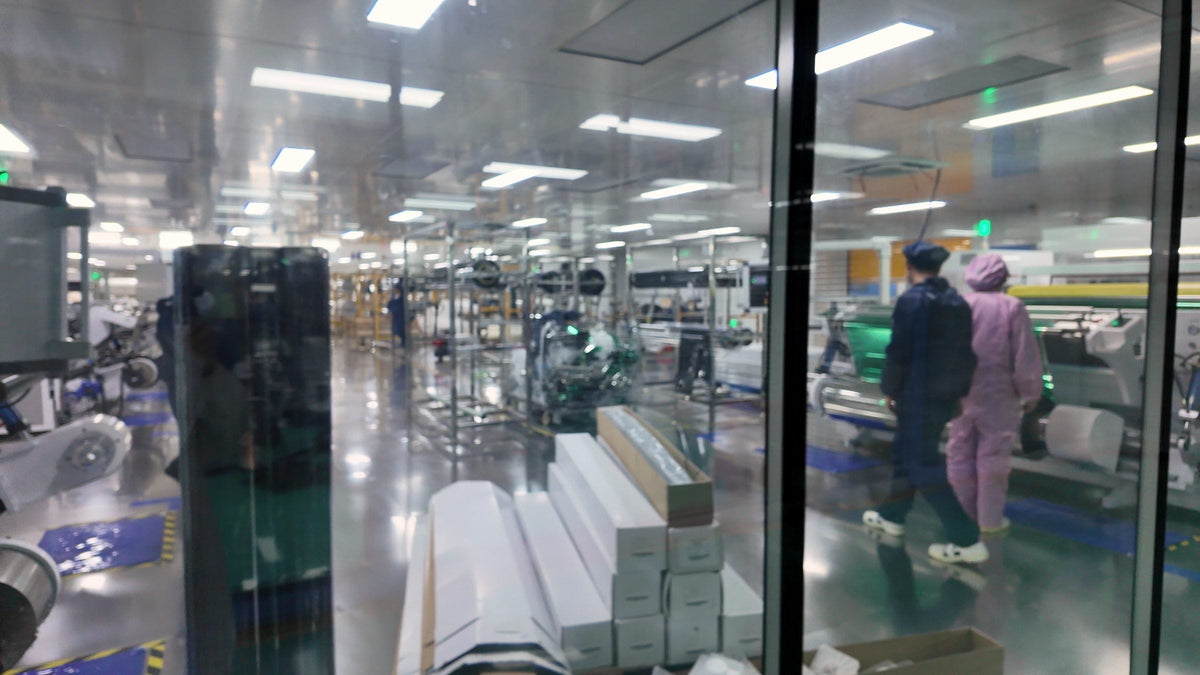
If you are building a lot program and need steady film supply behind it, our wholesale and dealership pages explain how HIGHCOOL works with shops that buy film regularly, and the Automotive Window Tint page lists the films we make. HIGHCOOL makes Window Film in our own Shanghai factory and ships it from China, in 60 in x 98 ft (1.52 m x 30 m) rolls. One point on our own range: we do not make carbon film. Shops that build a lot package on our film use the dyed WA series (1.5 mil, 5-year warranty, nominal VLT 6%, 18%, 39% and 73%) as the budget line, or step up to the WV nano ceramic series (1.88 mil, 7-year warranty) for lots that want a heat claim on the sticker. Neither has a 50% shade, so WA38 or WV30 on the rear and a 70% grade up front is the closest we can match. Tell us your country, the shades you run and your monthly roll count on our contact page, and we will quote you within 12 hours on business days.
FAQ
How should a tint shop price work for used car lots?
Use a matrix instead of one flat discount. Set a per-car rate by vehicle class, lower it for accounts with steady, committed volume, and add charges for old film removal and large vehicles. Keep a floor price you will not go below.
Is 50% carbon tint a good choice for dealer lots?
Yes, in most markets. It reduces glare and makes the glass look finished without narrowing the pool of buyers, and carbon film holds its color better than dyed film while costing less than ceramic. Check local law first, since some states, such as California and New York, require 70% on front side windows.
Should lot work always be priced low to win the account?
No. Underpriced lot work gets rushed, which leads to redos that erase the margin. Win the account on consistency and turnaround, and give volume discounts only for volume the lot actually commits to.

Share:
Dealership Window Tint Programs: 35% VLT Toyota Plan
36-Inch vs 40-Inch Tint Rolls: Waste on Accord Glass