
For a dealership tint program running a steady flow of Toyotas, 35% VLT is often the right single shade: it is a visible upgrade on almost every model, few buyers find it too dark, and it is legal on front side windows in a good share of states. It is not legal everywhere, so the first step is checking your state's front side limit.
In a retail shop, a customer can spend twenty minutes choosing between 20%, 35% and something lighter. At a dealership that kind of choice slows the deal. A dealer program works when the offer is simple enough to quote in one sentence and good enough that the buyer feels they got something worth paying for.
Why dealership tint needs a different strategy
Retail and dealer tint may use the same film, but they run on different logic. A retail job follows the customer's taste. A dealer program has to be repeatable, look the same on every car on the lot, fit around prep and delivery, and suit most buyers without a long conversation.
The best shade for one enthusiast is rarely the best shade for 50 vehicles a month. At that volume the shade has to look right on white, black and grey paint, suit a family buyer and a commuter, and never be the reason a delivery gets pushed back.
Why 35% VLT works so well in dealer programs
35% sits in the middle. It makes the glass look finished and gives some privacy, but it is far from limo dark, so buyers who were not planning to tint rarely object. That matters in a dealer setting because the goal is acceptance, not personalization.
Toyota is a good test case because its buyers vary so much. A Camry buyer, a RAV4 family and a Tacoma owner want different things, and a mid-range shade suits all three better than a dark specialty film. Our Window Tint Percentages Explained guide shows how each percentage looks on a car.
Two practical points. Many Toyota SUVs and trucks leave the factory with darker privacy glass on the rear windows, so on those models a 35% program is mostly a front side and windshield-strip job. And film on glass always reads darker than the film alone, because the glass itself blocks some light. Meter a finished car before you set the program, not just the film on the roll.
Check the law before you standardize
Front side window limits vary a lot by state. Several states allow 35% or darker on the front sides. Others are much stricter: California and New York require 70% VLT on the front side windows, and New Jersey allows no aftermarket film on the front side windows at all. A dealer in those states needs a different program or a rear-only package.
Since the dealership sells the car, it also carries the risk if the tint fails inspection or draws a ticket. Write the program around your state's numbers and keep a meter in the bay.
Why simplicity is so valuable at dealer scale
Every add-on competes for attention. The salesperson has to present it fast, the buyer has to understand it fast, and the prep team has to install it without special cases. One core shade, one short benefit line and one install routine make that possible.
When the menu gets too dark, too custom or too hard to explain, the program starts to drag. Buyers ask more questions, salespeople skip the offer, and the install schedule stops being predictable. A plain program is easier to sell, and it makes more money.
Why Toyota volume changes the equation
A store tinting 50 Toyotas a month is running an operations program, not a tint service. The shade has to work across sedans, SUVs and crossovers, match what mainstream buyers expect, and fit the reconditioning schedule. Toyota owners tend to buy for reliability and resale, and a 35% package fits that thinking: useful, tasteful and easy to say yes to.
Film quality still decides how the program is judged
Some dealers build the program around the lowest film price. At volume, that backfires. A weak film repeats its weakness on every car: haze on the glass at delivery, color shift after a summer, or complaints that come back to the service desk months later.
A volume program needs film with good optical clarity, steady VLT from roll to roll and UV protection the salesperson can mention honestly. Our Automotive Window Tint page lists the lines and VLT options we supply to dealer installers.
Installation workflow can make or break the program
At volume, install time has to be predictable, results have to look the same from car to car, and the handoff between the installer and the delivery team has to be clear. Remember that freshly tinted windows should stay up while the film cures, which affects how close to delivery the job can be done. Our guide on how long window tinting takes helps when you slot tint into prep and reconditioning.
Dealer programs need a reliable supplier behind them
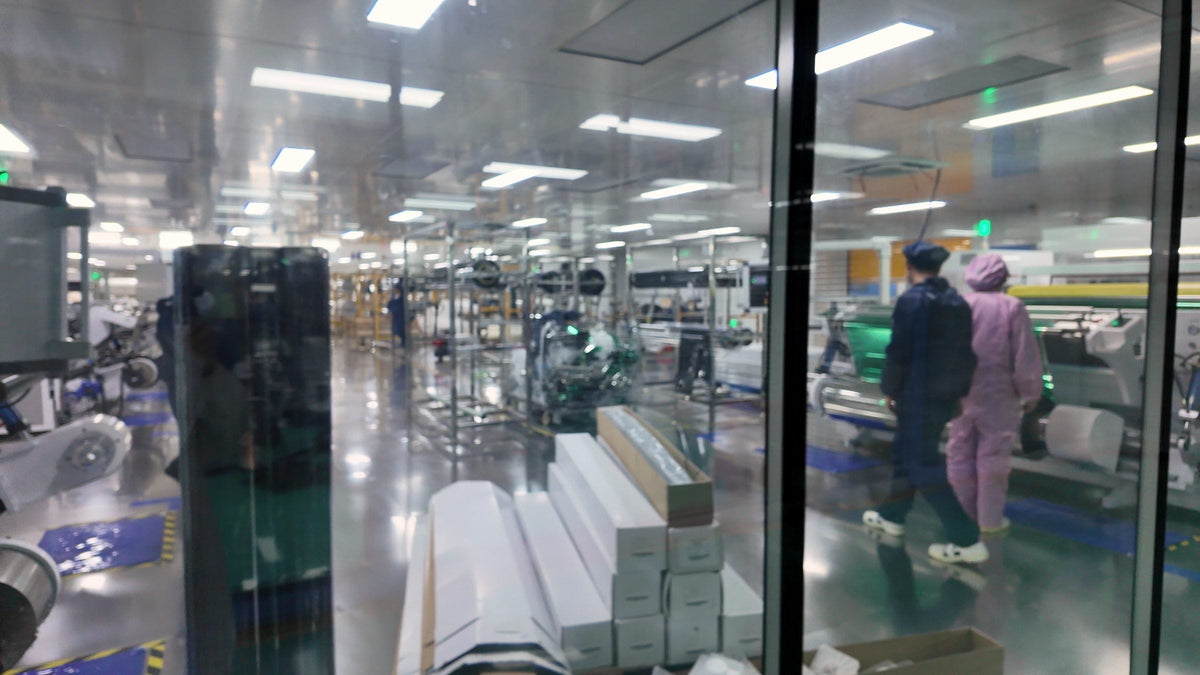
A dealership will ask about more than the film. They want to know that the shade stays consistent from batch to batch, that supply holds up, that someone answers when there is a problem and that the program can grow. HIGHCOOL makes window film in its own 20,000 m² factory in Shanghai and sells direct to installers and distributors. Our Dealership and About Us Factory pages explain how that supply works.
A practical program comparison
| Program type | Highly customized tint menu | Standardized 35% dealer program |
|---|---|---|
| Sales simplicity | Lower | Higher |
| Install consistency | Lower | Higher |
| Broad customer fit | Moderate | Strong |
| Fit with delivery schedule | Weaker | Stronger |
| Ease of scaling | Weaker | Stronger |
Custom menus can work. They are just harder to run at dealer volume than one clean standard package.
If you install for dealerships and want to test a 35% film before you commit, request free A4 samples through our contact page and we will send them from US sample stock.
FAQ
Why is 35% VLT common in dealership tint programs?
35% gives a visible upgrade without looking too dark to most buyers, so it sells with little explanation. It is also legal on front side windows in many states, which lets one shade cover the whole car.
Is 35% tint legal on front windows in every state?
No. California and New York require 70% VLT on front side windows, and New Jersey allows no aftermarket film there. Check your state's limits and meter the finished glass before you standardize a program.
What makes a dealership tint program easier to scale?
One core shade, a predictable install time and a film that stays consistent from batch to batch. A supplier who can keep that shade in supply matters as much as the film itself.

Share:
Dealer Lot Pricing Matrix: 50% Carbon Tint for Tint Shops
36-Inch vs 40-Inch Tint Rolls: Waste on Accord Glass