
Ceramic tint usually earns a tint shop more profit per car than carbon tint, because the install takes the same time and the customer pays more for it. Carbon still earns its place on the menu as the middle option that keeps price-sensitive customers from walking out. The best-run shops sell both and make the step between them easy to understand.
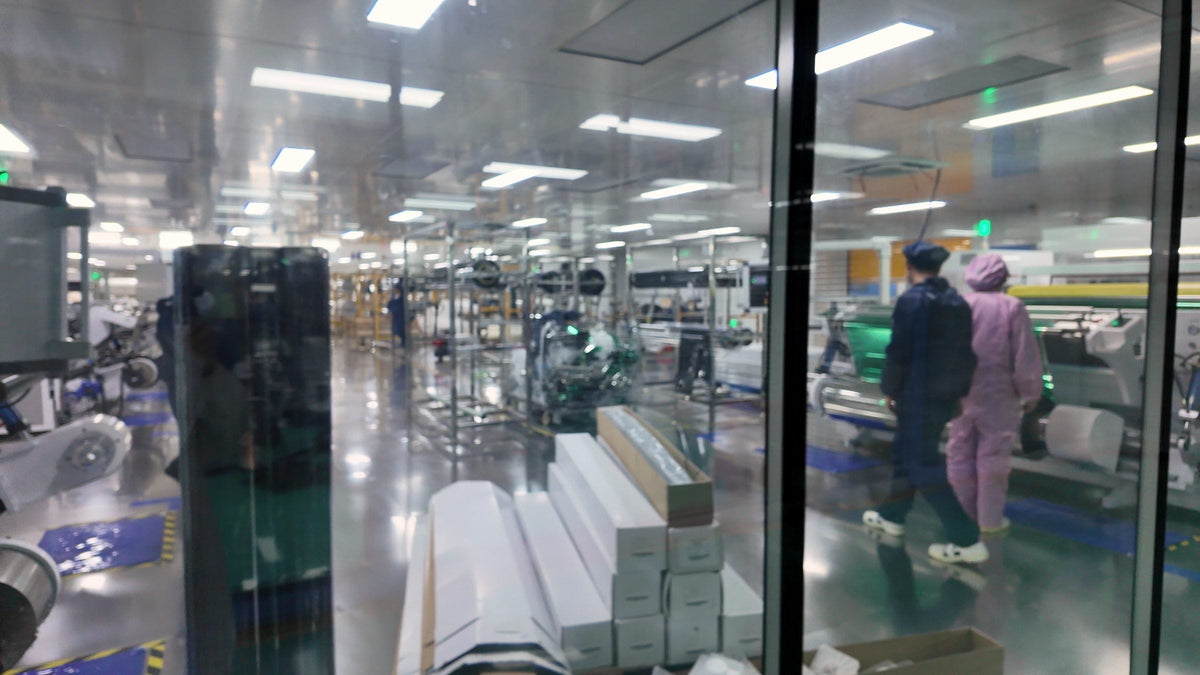
We make Window Film and sell it by the roll to tint shops and distributors, so this is written from the supply side. We will not quote margin percentages, because they depend on your local prices, your labor cost and what you pay for film. The logic below holds wherever you work.
Why the labor math favors ceramic
A carbon job and a ceramic job on the same car take about the same time. Same prep, same cutting, same shrinking on the rear glass, same cure instructions to the customer. The difference is the film cost and the price you charge.
So the extra you charge for ceramic, less the extra you pay for the film, is mostly extra profit on hours you were spending anyway. A percentage margin can look similar on the two packages. The dollars left over per bay hour usually do not. If your bay is the bottleneck, ceramic gets more out of each hour of it.
That only works if the price holds. A shop that discounts ceramic down to carbon money just to close a sale has paid more for film and earned nothing for it.
What the customer is actually buying
Carbon film uses carbon particles in the film to darken the glass and block part of the heat. It has no metal layer, so it does not interfere with phone, GPS or radio signals, and it holds its color far better than cheap dyed film. It is a solid step up from entry-level tint.
Ceramic film uses fine ceramic particles that block more of the infrared heat at the same shade. That is the point to sell. A customer who wants a lighter look, or who lives in a state with strict front-window limits, can still get a cooler car. Carbon mostly gets its heat reduction from being dark.
Both block most UV when the film is rated for it. The Skin Cancer Foundation's page on UV window film and tint is a good outside reference to show customers who ask why window film matters for skin. Check the UV rejection figure on the spec sheet for whatever film you stock, and quote that number rather than a general claim.
Where carbon tint wins
Carbon is the easier yes at the counter. Customers who want something better than the cheapest option, but who flinch at the top price, will often take it. It suits people who care mostly about looks and privacy, older cars, work trucks and anyone pricing three shops on the same afternoon.
Taking carbon off the menu tends to cost more customers than it gains. Without a middle option, the gap between your cheapest film and ceramic looks bigger, and some people leave to find something in between at the shop down the road.
Where ceramic tint wins
Ceramic wins with drivers who sit in traffic in the sun, who have kids in the back seat, who drive dark cars or cars with big glass roofs, and with anyone who has had tint before and was disappointed by how hot the car still felt. These customers buy comfort, and they can feel the difference.
Shops that sell ceramic well usually show it rather than describe it. A heat lamp over two sample panels, one carbon and one ceramic, does more than a brochure. Let the customer put a hand under each. Selling ceramic steadily also changes how people see the shop, as somewhere that sells a better job, which helps with every other package you offer.
What makes ceramic pay off in practice
The film has to perform. If the ceramic you stock barely beats your carbon in a side-by-side demo, customers will feel that, and the higher price will not hold. Test any new line on your own heat lamp before you put it on the menu.
Your staff have to explain it in one or two sentences. The shops that struggle to sell ceramic usually explain it in terms of particles and percentages. The shops that sell it talk about a cooler cabin at the same shade.
The finished job has to match the price. Dust specks, gaps at the dot matrix or a peeling edge on a premium package lose you more trust than the same fault on a budget one. Ceramic customers notice and come back to complain.
Carbon vs ceramic on the menu
| Point | Carbon tint | Ceramic tint |
|---|---|---|
| Price to the customer | Middle | Top |
| Install time | Same as ceramic | Same as carbon |
| Film cost to the shop | Lower | Higher |
| Heat rejection at the same shade | Lower | Higher |
| Signal interference | None | None |
| Easiest customer to sell | Price-sensitive, looks-first | Comfort-first, has had tint before |
| Job on the menu | Keeps buyers from leaving | Lifts the average ticket |
For the technical side, see our carbon vs ceramic window tint comparison and our guide to ceramic vs regular tint. If a customer is asking whether the upgrade is worth the money, is ceramic tint worth it walks through that question from the driver's side.
To be clear about what we supply: HIGHCOOL makes no carbon film. Our range is the WA dyed line (1.5 mil, 5-year warranty) for the entry slot, and two nano ceramic lines, WV (1.88 mil) and WU (UV400, about 2 mil), both with a 7-year warranty, in shades from 4% to 70% VLT. If carbon is your middle option, keep it from your current supplier and put our ceramic next to it on the heat lamp. Rolls are 60 in x 98 ft (1.52 m x 30 m) and ship from China.
If you want to put our Window Film next to what you install now under your own heat lamp, request free A4 samples from the Automotive Window Tint page (you cover shipping) and compare them on your own glass.
FAQ
Is ceramic tint more profitable than carbon tint?
Usually yes, because a ceramic job takes the same install time as carbon and sells for more. The extra price, less the extra film cost, is mostly added profit on the same bay hours. That only holds if the shop keeps the ceramic price and does not discount it to close sales.
Should a tint shop still offer carbon tint?
Yes, most shops should keep carbon as the middle option on the menu. It gives price-sensitive customers something better than basic film without the top price. Without it, the jump to ceramic looks bigger and more people leave.
What is the easiest way to sell ceramic tint?
Show the difference with a heat lamp over carbon and ceramic samples and let the customer feel it. Explain it as a cooler car at the same shade. Then make sure the finished job looks as good as the price suggests.

Share:
Ohio Tint Rules: 50% VLT Guide for Tint Shops
Ceramic Tint Ghosting and Low-Angle Haze: How Cheap Film Hurts Shop Reputation