
Ceramic window tint cost per square foot is the price you pay divided by the square feet of film that actually goes on the glass, and for a shop it has two very different versions: the material cost per square foot off the roll, and the installed price per square foot the customer pays. The installed figure is always far higher, because labor, waste, warranty and overhead sit on top of the film. Comparing films on cost per square foot only works if you compare the same version for each.
How to work out film cost per square foot from a roll
The material side is simple arithmetic. Multiply the roll width in feet by the length in feet, then divide the roll price by that area.
| Roll size | Area | Cost per sq ft at a $500 roll price |
|---|---|---|
| 36 in x 100 ft (0.91 m x 30.5 m) | 300 sq ft | $1.67 |
| 40 in x 100 ft (1.02 m x 30.5 m) | 333 sq ft | $1.50 |
| 60 in x 100 ft (1.52 m x 30.5 m) | 500 sq ft | $1.00 |
The $500 is only there to show the math, not a real price. Put your own quote in its place. Then adjust for waste. Nobody uses a full roll on glass. Cutting patterns, trimmed edges and the odd ruined piece all come off the yield, and a shop that cuts by hand on curved rear glass loses more than one using a plotter. Your real cost per square foot is the roll price divided by the area that ends up on cars, not the area printed on the box.
Installed ceramic tint price per square foot
Customers rarely see a per-square-foot price on a car. Shops quote by vehicle. Published 2026 price lists from California shops put ceramic film on a four-door sedan at roughly $300 to $600, and IR-grade ceramic at about $400 to $700, according to this California tint pricing guide. Prices vary by region. Most of that money is labor, which is why the film price per square foot is a small part of what the driver pays.
Residential and commercial jobs are different. Flat glass is often quoted by the job or by the square foot, and that is where cost per square foot becomes a useful way for a building owner to compare bids.
What drives the cost of ceramic film
Two films can both say ceramic and perform very differently. The price gap usually comes from the coating and the process behind it:
- How much infrared heat the ceramic layer rejects at a given shade.
- Optical clarity and haze, especially on light front-door shades.
- UV blocking.
- Scratch resistance of the hard coat.
- Consistency of the coating from roll to roll.
- The warranty, and who stands behind it if the shop closes.
Consistency matters most for a shop. A roll that installs differently from the last one costs labor, and a film that hazes or turns purple comes back as a free redo. That redo costs more than any savings on the roll.
Compare more than one number
Cost per square foot tells you what the film costs. It says nothing about whether it does the job. Ask for the spec sheet and compare visible light transmission, total solar energy rejected and infrared rejection at the shade you plan to sell. The National Fenestration Rating Council explains how films are rated on these measures in its window film resource, and the U.S. Department of Energy covers how films cut glare and solar heat gain in its page on energy-efficient window coverings. Side windows also pass a lot of UVA, as the Skin Cancer Foundation explains in its guide to UV window film and tint.
Then put a sample on real glass. A light ceramic film on a front door in a state with a 70% limit is where weak clarity shows up first. For more on retail pricing and value, see our ceramic window tint cost guide, the ceramic vs regular tint comparison, and our post on whether ceramic tint is worth it.
Tint, PPF and flat glass
Customers who pay for ceramic tint often ask about paint protection next. Automotive window tint handles heat, glare and UV in the cabin, and paint protection film protects the paint from chips and stains. Some later ask about film for home or office glass, which our home window film guide and our post on architectural and decorative film cover.
Our roll prices
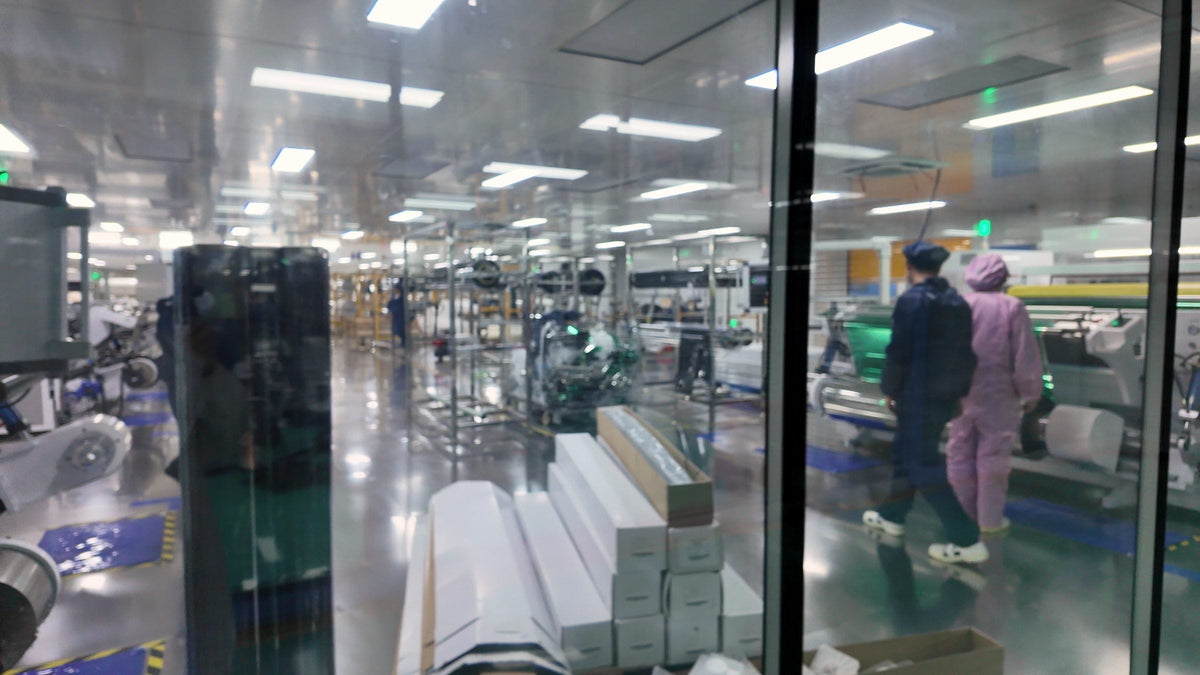
We will not print wholesale roll prices here, because your price depends on your country, the shades and grades you stock, and how many rolls you move a month. HIGHCOOL makes Window Film in our own factory in Shanghai and sells it by the roll to shops and distributors, with no middlemen. Window Film ships from China, and free A4 samples come from our US sample stock, so you can test clarity and heat rejection before you buy.
To get a per-square-foot figure you can plug into the table above, tell us those three things through the contact page and we will quote you straight.
FAQ
How do you calculate the cost per square foot of window tint?
Divide the roll price by the roll area in square feet. A 60 in x 100 ft roll holds 500 sq ft, so a $500 roll works out to $1.00 per sq ft before waste. Adjust for the film you trim and lose during cutting.
Is a higher cost per square foot worth it for ceramic film?
Only if the film delivers clearly better heat rejection, clarity or consistency at the shade you sell. Compare spec sheets and test samples on real glass before deciding.
Why do shops quote ceramic tint by the car and not by the square foot?
Labor makes up most of an automotive tint job, and it depends on the number and shape of the windows more than on the film area. A per-car price is easier for drivers to compare, while flat glass jobs are more often quoted by area.

Share:
Ohio Tint Rules: 50% VLT Guide for Tint Shops
Ceramic Tint Ghosting and Low-Angle Haze: How Cheap Film Hurts Shop Reputation