
The way to move customers from PVC to TPU paint protection film is to show them what each film costs over the years they keep the car, not on the day they pay. PVC protection film is cheaper to install and wears out sooner. TPU costs more up front, lasts longer, heals light scratches and comes off cleanly when it is done.
Customers see two quotes and compare the numbers. Your job at the counter is to explain the material in plain words and let the long-term math do the selling. Here is how we would put it.
Why PVC protection film wears out
PVC is a stiff plastic on its own. To make it flexible enough to stretch over a bumper, makers add plasticizers. Heat and UV slowly draw those plasticizers out of the film. As they leave, the film hardens, shrinks back from the edges and can crack. That is why PVC protection film looks its best on the day it goes on.
TPU is flexible by nature. It does not depend on additives that migrate out, so it stays elastic through years of hot days and cold nights while the panels expand and contract under it. Aliphatic TPU, the grade used in good PPF, also holds up far better against UV.
One clarification for customers who have heard that "PVC is bad": PVC is the standard material for color-change vinyl wrap, and it does that job well. HIGHCOOL Vinyl Wrap is calendered PVC. The problem is using PVC as clear paint protection, where it has to take stone hits and stay clear for years.
Showing self-healing at the counter
Self-healing sounds like a sales line until the customer sees it. Keep a TPU sample panel at the counter. Drag a brass brush or a fingernail across it, then pour warm water over it or hit it with a heat gun, and let the customer watch the marks fade. Do the same on a PVC sample. The scratch stays, and dirt will settle into it.
That demonstration does more than any brochure. The customer understands that light wash marks and fine scratches will not build up on the film year after year.
The cost of removal
Most customers never think about the day the film comes off. It is worth telling them. Old PVC that has gone brittle often comes off in small pieces, and the adhesive can stay behind on the paint. On paint that is weak or has been resprayed, the removal can lift paint. All of that is labor, and sometimes a paint repair.
Good TPU film is designed to release cleanly. When it reaches the end of its life, it peels off in large sheets and leaves the factory paint underneath in the condition it was protecting.
Yellowing and clarity
On a white or silver car, yellowed film is easy to spot from across a parking lot. It shows first on the hood and mirror caps, which get the most sun. Low-grade PVC film tends to yellow sooner than aliphatic TPU. A yellowed film makes a well-kept car look neglected, and the only fix is to strip it and start over.
Price against cost: the comparison table
Teach the customer the difference between price, what they pay today, and cost, what they pay over the life of the car.
| Point | PVC protection film | TPU paint protection film |
|---|---|---|
| Upfront price | Lower | Higher |
| Service life | Short; hardens and yellows sooner | Several years; warranties typically 5 to 10 years by grade |
| Self-healing | No | Yes, light scratches level out with heat |
| Removal | Can break up and leave adhesive behind | Designed to peel off cleanly |
| Stone-chip protection | Limited | Absorbs impacts |
Spread the price over the years each film actually lasts, add the cost of an early redo for the cheaper one, and the gap shrinks. For a customer who keeps the car more than a couple of years, TPU usually costs less in the end.
Stocking TPU
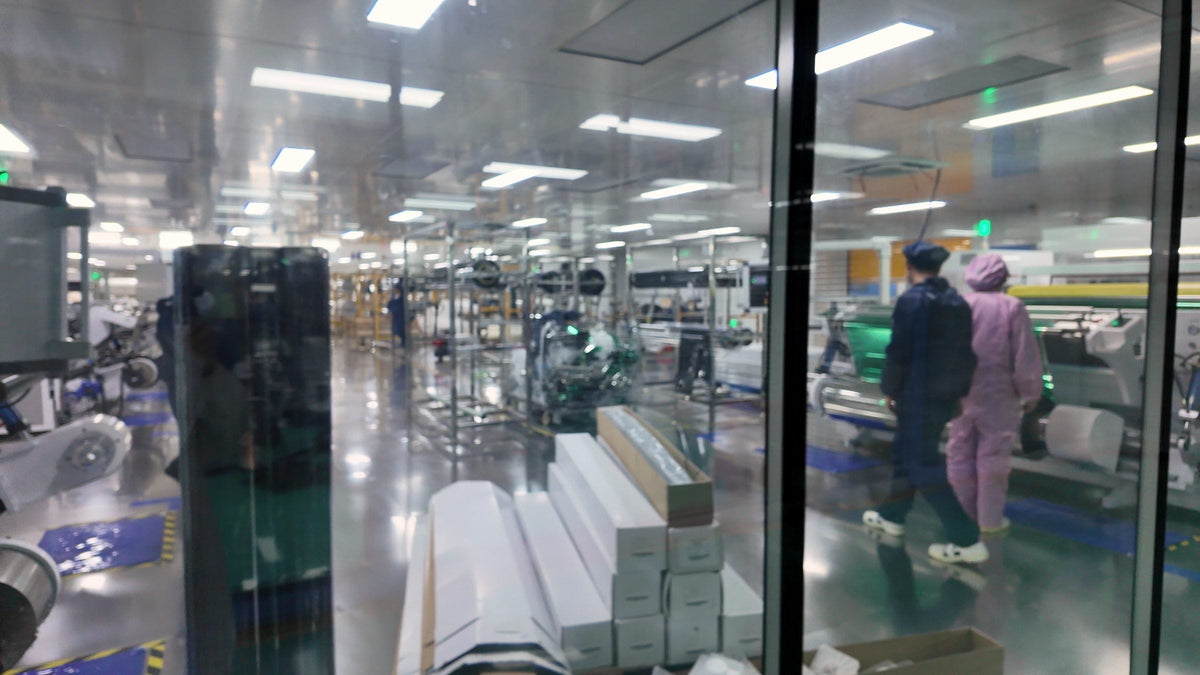
For a shop, moving customers to TPU also means fewer callbacks for yellow, peeling or cracked film. HIGHCOOL makes TPU Paint Protection Film in our own Shanghai factory and sells it factory-direct. Our TPU comes from Lubrizol, BASF, Covestro and Wanhua, by grade, and every roll carries its own code for warranty traceability. If you want sample panels for your counter demo, request them through the Paint Protection Film (PPF) collection.
FAQ
Is TPU paint protection film worth the higher price over PVC?
Yes, for anyone keeping the car more than a couple of years. TPU lasts longer, heals light scratches and comes off cleanly, while PVC tends to harden, yellow and need replacing sooner. Over the life of the car, the TPU job usually costs less.
Can I use PVC film on the lower panels to save money?
It is not a good idea, because the rocker panels take the most stone hits. PVC protection film is stiffer and handles impacts worse than TPU. Lower panels are where TPU earns its price.
Why is PVC still used if TPU is better for paint protection?
PVC is the standard material for color-change vinyl wrap and signage, where it works well. It was never the best choice for long-term clear paint protection. For stone-chip protection that stays clear for years, TPU is the right material.

Share:
Factory-Direct Film: How Independent Shops Compete with Chains
The 2026 Labor Shortage: Why Easy-Install PPF Helps Shops Hire