
Easy-install PPF helps shops hire during the 2026 labor shortage because it lets a newer installer do clean work on simple panels sooner, so the shop depends less on one or two senior people it cannot replace. The film does not replace training. It shortens the stretch where a new hire costs more in wasted film than they bring in.
Most shop owners know the problem first-hand. Experienced PPF installers are hard to find, harder to keep, and expensive. When the one person who can wrap a front bumper is out sick, the schedule falls apart.
Shortening the rookie-to-revenue timeline
A junior installer usually spends the first months practicing on real cars. With a film that grabs hard the moment it touches the paint, every misplaced panel turns into stop marks or bruised adhesive, and only a senior installer can save it. That is film in the bin and bay time lost.
A film with a gentler initial tack gives the new person more time to slide the panel into place before it sets. Door cups, rocker panels and flat hoods are where most shops start a new hire. With a more forgiving film, those jobs can move from practice to paid work faster.
Less stress in the bay
Turnover in this trade is not only about wages. Laying film on an expensive car with the owner coming at five o'clock is stressful, and a film that fights the installer makes it worse. When the material stretches evenly over a curve instead of distorting, and lifts cleanly when something goes wrong, people make fewer panicked mistakes. A calmer bay is easier to keep staffed.
Seniors for the hard parts, juniors for the flat ones
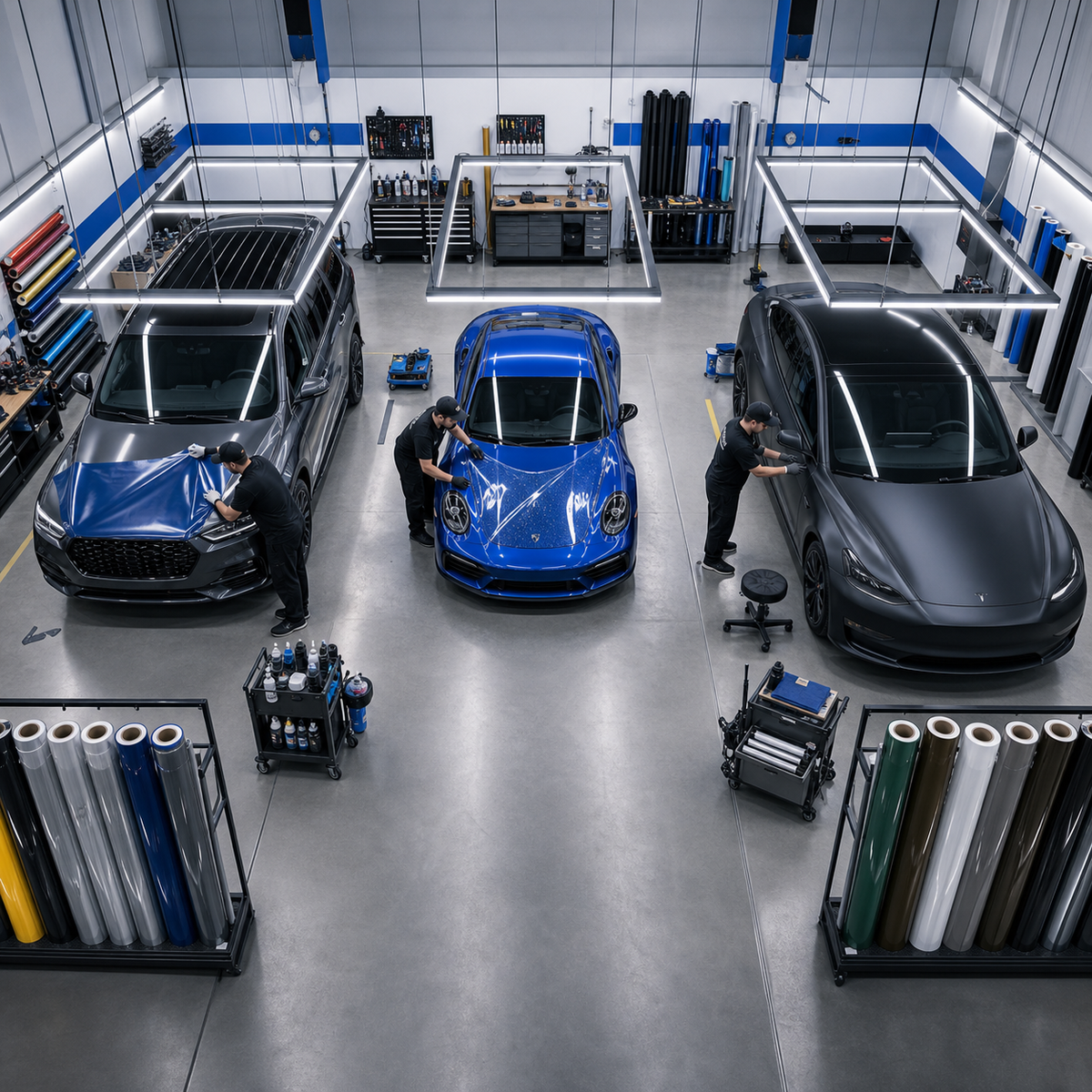
Consistent film makes it easier to split the work. The senior installer takes front bumpers, mirrors and wrapped edges. Newer staff handle hoods, doors and fenders. The senior person can then check work across more than one bay, which gets more cars out the door without hiring another senior installer who may not exist in your area.
Roll width helps here too. Our standard PPF roll is 60 in x 49 ft (1.52 m x 15 m), and 72-inch-wide rolls are also available, so a junior can cover a wide hood or a truck panel without a seam to hide.
This only works if one roll behaves like the next. If the tack or stretch changes from batch to batch, juniors cannot learn the feel of the film, and the senior installer ends up fixing their panels again.
Fixing mistakes without a remake
A junior who finds dust under a panel needs to lift it, flush it and lay it down again. Some films leave haze or adhesive marks after a lift. Others tolerate a few lifts and still clear up. Every panel saved this way is film and labor you do not pay for twice.
Pre-cut kits and plotters
Cutting film on the car is the most nerve-racking part for a new installer, because one slip of the blade can cut into the clear coat. Pre-cut patterns from a plotter remove most of that risk. Pairing pattern software with film that floats and lays down predictably lets a smaller, less experienced crew turn out work that looks professional.
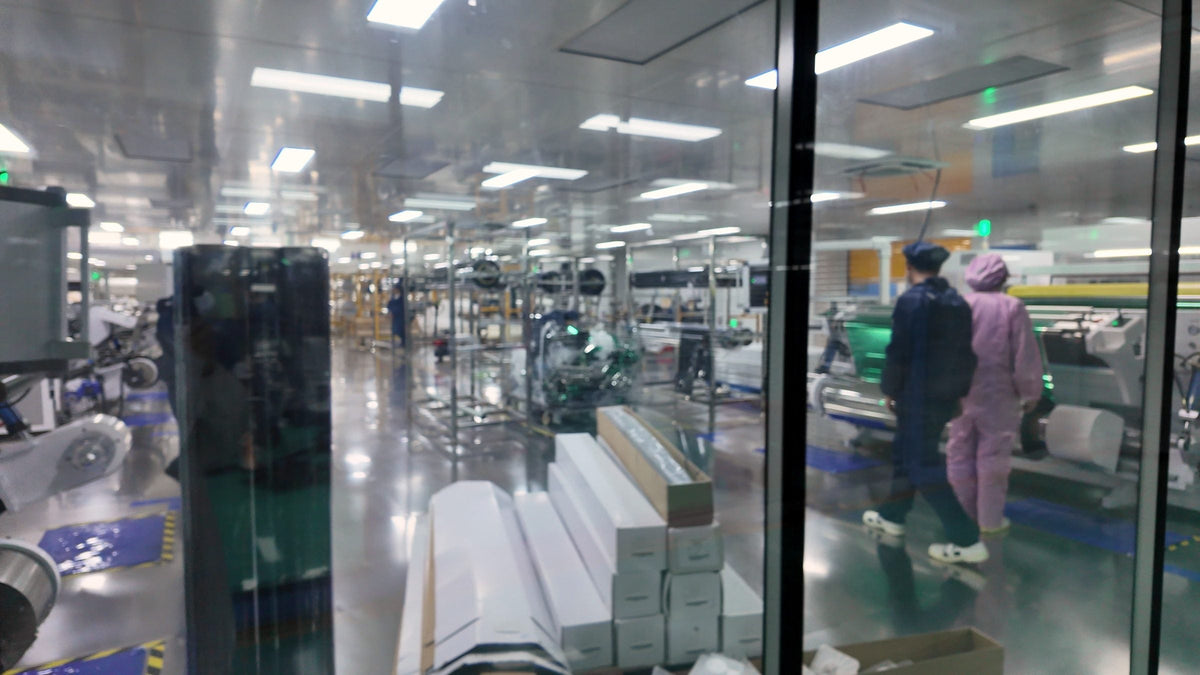
HIGHCOOL makes PPF in its own factory in Shanghai, with 5 to 10 year warranties depending on the grade and a code on every roll for warranty tracing. We keep 13 PPF SKUs in US stock and accept one-roll orders, so you can test a film on your new hires before committing to a larger order. If you are training new staff and want to see how our film handles in their hands, look at the Paint Protection Film (PPF) range or ask us for an A4 sample, which is free apart from shipping. More about the factory is on the HIGHCOOL home page.
FAQ
Does easy-install PPF mean lower quality film?
No. A film that floats during install and still bonds firmly afterward needs a well-balanced adhesive, which is harder to make than one that simply grabs. Judge the film on clarity, stain resistance and warranty, not on how hard it sticks.
Which panels should a new PPF installer start on?
Most shops start new hires on door cups, rocker panels and flat hoods. Front bumpers, mirrors and wrapped edges usually stay with experienced installers until the new person has more hours on simpler panels.
Will senior installers mind using more forgiving film?
Usually not. Predictable film makes their own work faster and cuts the time they spend fixing panels laid by newer staff.

Share:
Moving from PVC to TPU: How to Educate Your Customers on Long-Term Value
White Cars and PPF Warranty Claims: Why Shops Use Aliphatic TPU