
Shops use aliphatic TPU on white cars because it resists UV yellowing far better than aromatic TPU, and on white paint even a faint yellow cast turns into a warranty claim. Get the film chemistry right and most yellowing comebacks never happen.
A white car shows everything. When the film starts to turn, the hood and the mirror caps go a shade warmer than the doors, and the owner notices before anyone else. On a white Tesla or Porsche, that car is now a rolling advertisement for your shop's worst job.
The chemistry of yellowing: aromatic vs aliphatic TPU
Most modern PPF is TPU, thermoplastic polyurethane, but the polyurethane can be built two ways.
Aromatic TPU is made with isocyanates that contain aromatic (benzene) rings. Those rings react with UV light. Over time, sunlight oxidizes them into compounds that absorb blue light, and the film looks yellow. It is cheaper to make, which is why it shows up in low-cost film.
Aliphatic TPU is made without aromatic rings in the backbone. It is much more stable under UV, so it stays clear far longer in high-sun states like Texas, Arizona or California. Aliphatic is not magic. A poor topcoat or adhesive can still discolor, but the core film is no longer the weak link.
Why white cars amplify film failure
On a black or dark grey car, a slight color shift in the film is hard to see. On white paint, the same shift makes the car look dirty and old. Light passes through the film, hits the white paint, and comes back out through the film again, so any tint in the film is seen twice. That is why a film that seems fine on a dark car can generate a claim on a white one.
Yellowness can be measured. The common lab method is ASTM E313, which gives a Yellowness Index for a sample before and after UV exposure. Ask your supplier for those results instead of a promise.
The real cost of a yellowing warranty claim
A warranty claim is never free, even when the manufacturer replaces the film. Old film that has been on the car for years takes much longer to strip than a fresh install, and adhesive residue has to come off without damaging the paint. Your best tech spends the day redoing a job you were already paid for, and the bay earns nothing. The customer also tells people. A white car that stays white for years does the opposite and sends you referrals.
Chemical resistance on white surfaces
White paint also shows stains from bird droppings, tree sap, road tar and acid rain. A dense, hydrophobic topcoat keeps those contaminants on the surface where they wash off, instead of letting them sit long enough to mark the film. On white cars, tell customers to remove bird droppings within a day or two whatever film they have.
Selling chemical stability instead of price
Customers with expensive white cars do their own research, and many now ask what the film is made of. Give them a plain answer: "We use aliphatic TPU on white cars because it resists yellowing from UV." Do not tell them the film can never yellow. No honest supplier can promise that, and the claim will come back to you.
On inventory, the simple move is to keep your top packages on one well-tested aliphatic film. Fewer film types mean fewer surprises, and your warranty records stay easy to follow.
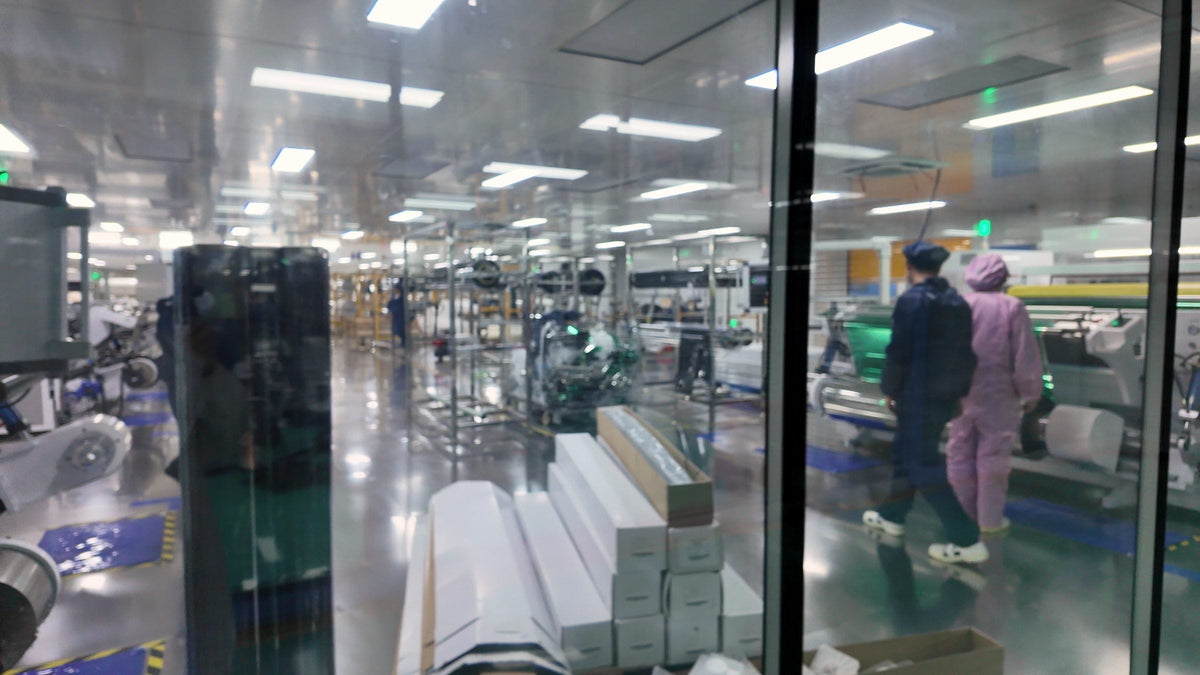
When you evaluate a supplier, ask three things: which TPU the film is built on, the Yellowness Index results before and after aging, and the written warranty terms. HIGHCOOL builds its PPF on TPU from Lubrizol, BASF, Covestro or Wanhua depending on the grade, with a self-healing topcoat and a 5 to 10 year warranty by grade, and every roll carries its own serial code for traceability.
If white cars are a big part of your book, compare our Paint Protection Film (PPF) grades side by side and ask for free A4 samples and the data sheet for the grade you want to test.
FAQ
Can a ceramic coating stop cheap PPF from yellowing?
No. A coating sits on top of the film and cannot stop UV from breaking down an aromatic TPU core underneath. Start with an aliphatic film and treat the coating as an extra.
How do I check whether a PPF is aliphatic?
Ask the supplier for the technical data sheet, the TPU source and yellowness test results such as ASTM E313 before and after UV aging. A supplier who cannot give you those has not tested the film.
Is aliphatic TPU harder to install?
No, a good aliphatic film installs like any quality TPU. How it handles on a deep bumper depends more on the film's thickness, adhesive and topcoat than on aliphatic vs aromatic chemistry.

Share:
The 2026 Labor Shortage: Why Easy-Install PPF Helps Shops Hire
Interior PPF for Screen-Heavy Cabins: Protecting the Modern EV Dashboard