
New York checks window tint at every annual safety inspection, and the windshield and front side windows have to let at least 70% of outside light through to pass. That has been the case since January 1, 2017, so any car your shop tints in New York will be metered again within a year.
For a tint shop, that makes the inspection rule the first thing to explain, before shade or price. A car that fails comes back to you, and the customer rarely blames the law.
What the New York tint inspection checks
The New York DMV tinted windows page sets the limits by window and by how the vehicle is classed on its door label:
| Window | "Passenger Car" on the door label (sedan, coupe, hatchback, wagon, convertible) | SUV, pickup, van |
|---|---|---|
| Windshield | At least 70% light through | At least 70% |
| Front side windows | At least 70% | At least 70% |
| Rear side windows | At least 70% | Not covered by the 70% rule |
| Rear window | At least 70%, unless outside mirrors on both sides | At least 70%, unless outside mirrors on both sides |
The class comes from the Federal ID label on the left front door panel. If it says "Passenger Car," every side window is held to 70%. Check the label before you quote, because a crossover can go either way.
The DMV also states that selling or installing non-compliant glass is illegal, not just driving with it. That puts the shop on the hook too.
Why most tinted fronts fail
The inspector meters the window as it sits on the car, glass and film together. Factory glass already blocks some light, so a film sold as 70% usually reads below 70% once installed. Anything darker on the front doors fails outright.
So in practice, a legal front window in New York means very light film or none. Meter the bare glass first, then choose a film light enough that the finished reading stays at 70% or above. Write that reading on the work order.
Some drivers can go darker legally. People with conditions such as lupus, albinism or certain photosensitivity disorders can apply for an exemption on form MV-80W. Ask to see the approved exemption before installing anything darker than the rule allows.
For the national picture, see our window tint law guide.
What a light film still does
Customers who hear "70%" often decide tint is pointless. It is not. Visible darkness and heat rejection are separate properties. A clear ceramic film can block a large share of infrared heat and nearly all UV without darkening the glass, while a cheap dyed film at the same shade does little for heat. Our WV70 nano ceramic film, for example, has a nominal total solar energy rejection of about 43% in lab testing at a nominal 70% VLT.
That is why the film line matters more in New York than in states with darker limits. The film has to do the work that shade cannot. Our ceramic vs regular tint guide and ceramic tint value guide cover the difference.
When you compare films, use measured numbers. The National Fenestration Rating Council's page on window films explains ratings such as visible transmittance and solar heat gain, which tell you more than the shade on the label.
A simple routine for New York jobs
- Read the door label and note the vehicle class.
- Meter the bare front glass and record it.
- Choose a front film that keeps the finished reading at 70% or above.
- Use darker shades only where the class allows, such as the rear side windows of SUVs and pickups.
- Meter again after install and write each window's reading on the work order.
That record is what you show the customer if the car comes back from an inspection station.
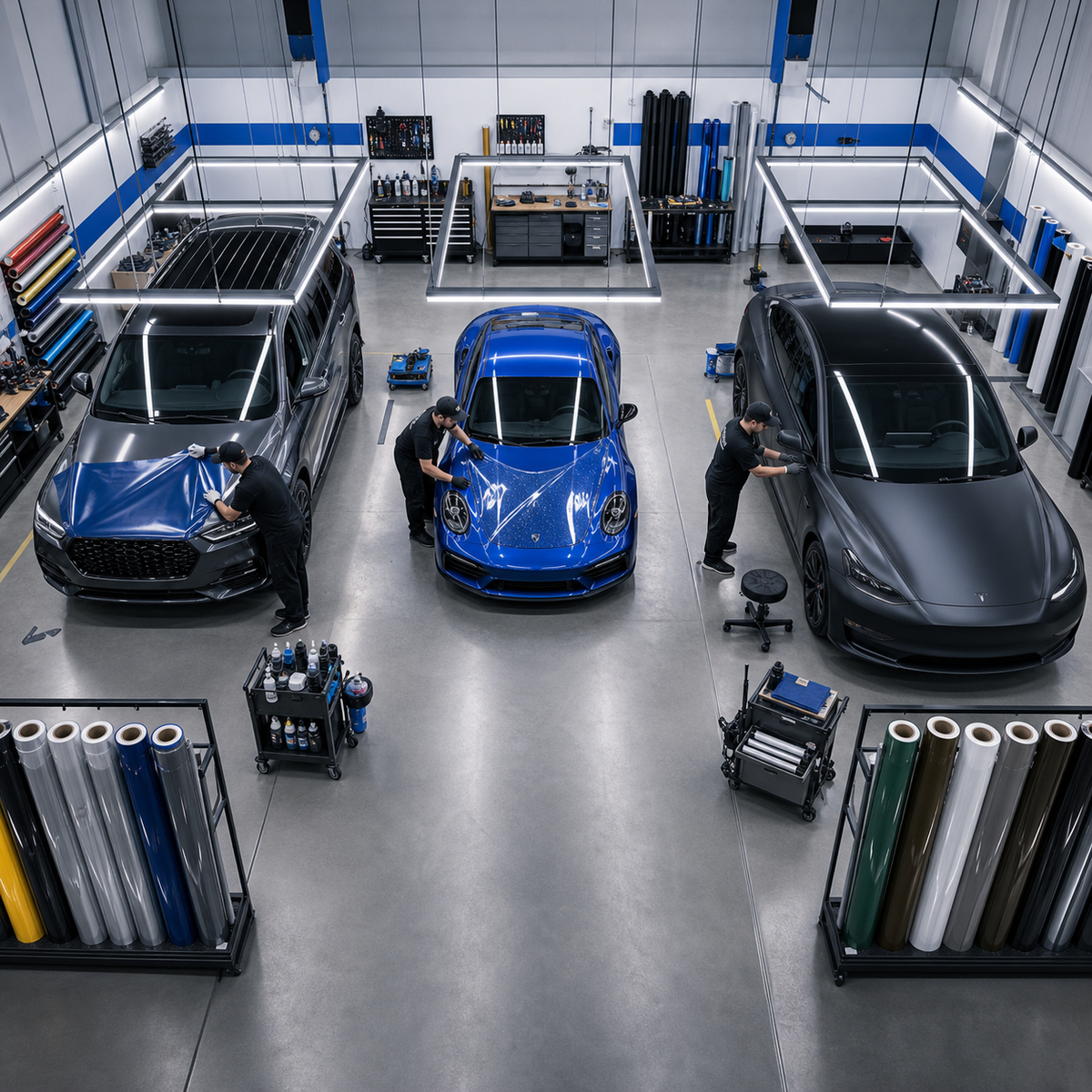
Tint visits are also a good time to talk about the paint. Automotive Window Tint handles UV, glare and heat inside, Paint Protection Film covers stone chips and road salt outside, and customers asking about their homes can read about home window film and architectural film.
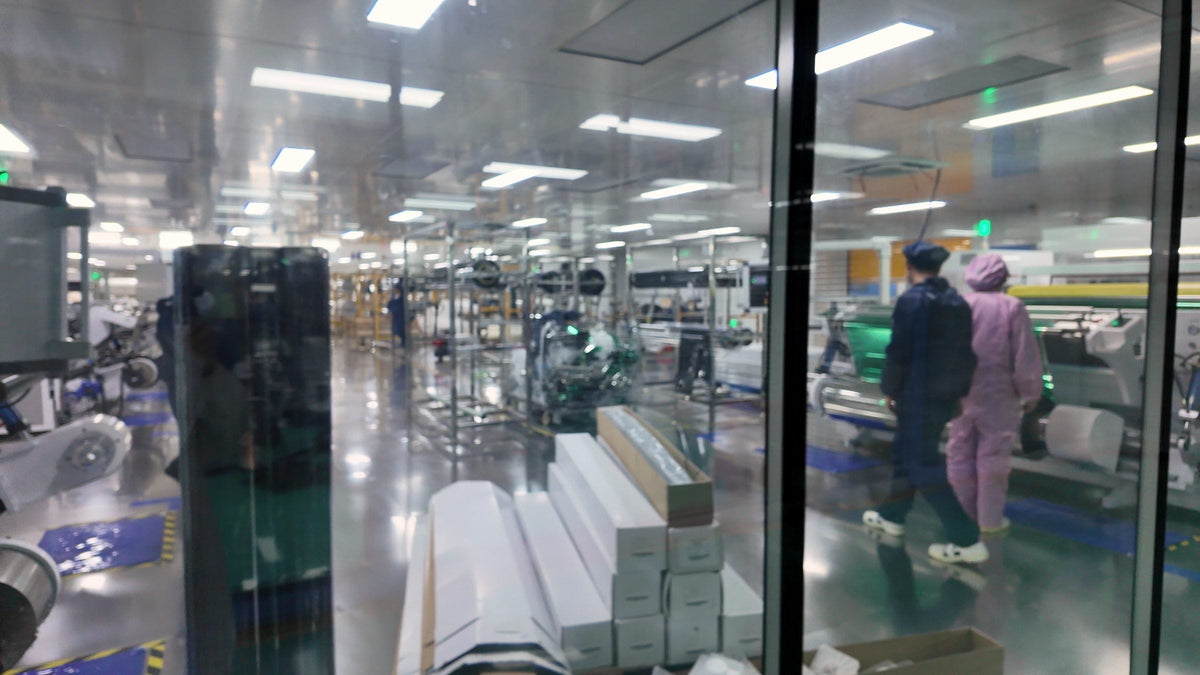
HIGHCOOL makes Window Film by the roll in our own Shanghai factory and ships it from China. Our lightest films, WV70 and WU70, are nominal 70% on their own, so on most front glass they will read below the 70% line once installed. Meter before you commit. For SUV and pickup rear glass, the WV and WU nano ceramic series go down to nominal 8% and 4%, with a 7-year warranty. Ask for free A4 samples (sent from US sample stock, you pay shipping) or a quote through our contact page.
FAQ
Does New York inspect window tint?
Yes, tint has been part of the New York State vehicle inspection since January 1, 2017. The inspector checks that regulated windows let at least 70% of light through. A car with film that is too dark can fail.
What tint percentage is legal on front windows in New York?
The windshield and front side windows must let at least 70% of outside light through, measured with the glass and film together. Since factory glass already blocks some light, only very light film keeps most front windows legal.
Can SUVs have darker rear tint in New York?
Yes, the rear side windows of vehicles not labeled "Passenger Car," such as most SUVs, pickups and vans, are not covered by the 70% rule. The rear window can also be darker if the vehicle has outside mirrors on both sides. The front side windows still have to meet 70%.

Share:
Ohio Tint Rules: 50% VLT Guide for Tint Shops
Ceramic Tint Ghosting and Low-Angle Haze: How Cheap Film Hurts Shop Reputation