
Buying automotive window tint factory direct gives shops and distributors a better price, but the bigger gain is planning: you deal with the people who make the film, so you get straight answers on stock, shades, widths, packaging and ship dates before you pay. That matters more as volume grows, because a late or mismatched reorder costs more than a few points on the quote.
A small shop can get through a supply gap by waiting or swapping in a nearby shade. A distributor, dealership group or multi-location installer cannot do that for long. Once customers expect the same VLT and the same color on every job, supply is no longer a back-office detail. It shows on the cars.

What factory direct changes besides price
When you buy through a chain of resellers, simple questions take days: which shades are in stock, which widths, when a repeat order can leave, and whether this batch will match the last one. Buying from the factory cuts out those relays. In practice that means faster answers, clearer MOQs, a direct path to private label, and one place to go when something is wrong with a roll.
The ship date is worth as much as the price
When tint arrives late, the costs pile up. Jobs get pushed. Sales staff stop promising dates. Buyers over-order out of fear, which ties up cash in film sitting on a shelf, and mixed batches make color matching harder. A supplier whose ship dates you can trust lets you carry less safety stock and reorder on a schedule instead of in a panic.
We do not publish a fixed number of days. HIGHCOOL Window Film ships from China, and the ship date for each order is confirmed on the proforma invoice, so you know it before you pay. There is no US stock of Window Film, so plan reorders around sea or air freight from Shanghai. Every series comes in 60 in x 98 ft (1.52 m x 30 m) rolls: the dyed WA series, the WV and WU nano ceramic series, and KU70 for windshields. Fewer roll formats make a forecast simpler. Our shipping policy explains how freight and documents work.
What buyers get wrong about lead times
A short quoted lead time does not tell the whole story. Orders still slip when stock status was vague from the start, packaging was not confirmed early, the buyer misread the shipping terms, private-label steps were not in the schedule, or communication went quiet after the PO. Experienced buyers ask more specific questions:
- Which shades and widths are ready now, and which need production?
- When will the ship date be confirmed in writing?
- What usually slows down a repeat order?
- How does a private-label order differ from a standard one?
- Who is my contact once the order is placed?
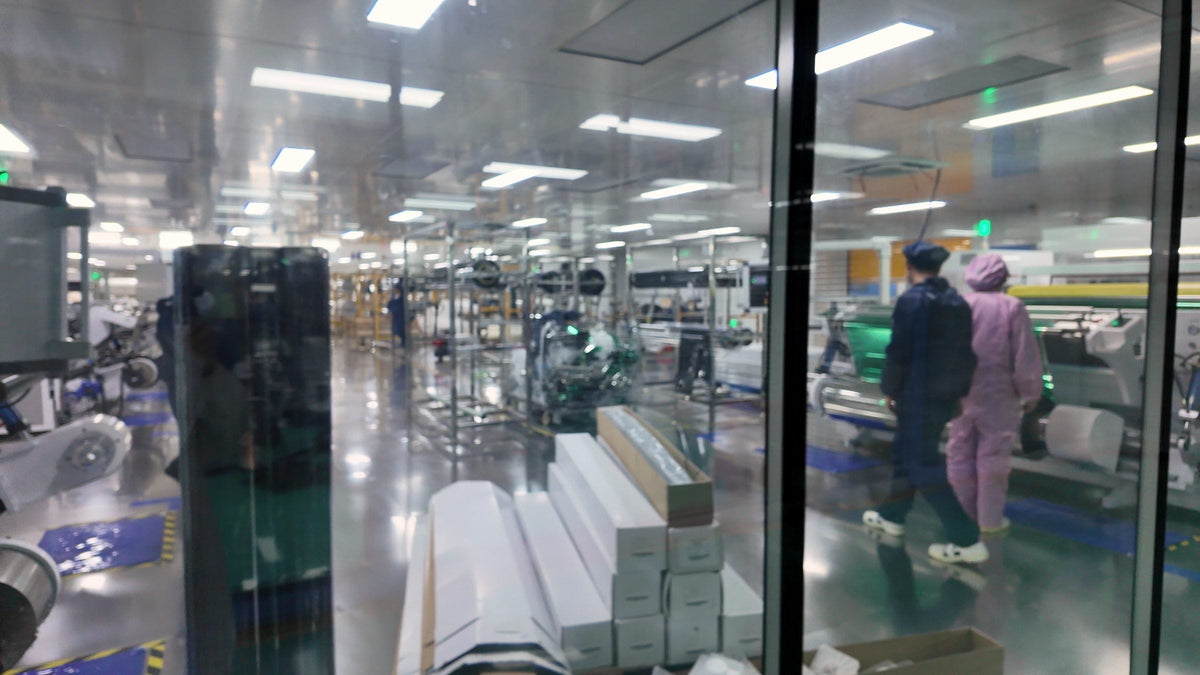
If a supplier answers these clearly, the quoted date is worth something. Our factory page shows the plant behind the answers, and the contact page reaches the sales team directly.
Forecasting gets easier with direct access
The longer you are in the tint business, the more forecasting beats firefighting. Working with the factory gives you a clearer view of reorder timing, which shades and widths move together, packaging needs, private-label setup and freight to your market. That matters most when you stock several shades of Automotive Window Tint and a premium line such as Nano Ceramic Solar Car Window Tint Film. The more lines you carry, the more a weak forecast costs you.
Speed you can plan around
North American buyers do not just need fast. They need shipping that is documented, consistent enough to base a purchasing calendar on, and able to handle both standard and custom orders. Some suppliers move quickly only on the simplest order. Others quote a tight date before the deal and go quiet once details come up. What you want is a supplier who tells you what is moving, what is pending and what is confirmed.
Room to grow into private label
Many buyers start with standard shades and repeat bulk orders, then later want their own brand on the box, custom packaging or a line made for their market. That step is easier when you already buy from the factory. At HIGHCOOL, private label starts at 30 rolls per model, and packaging setup is quoted in writing. The wholesale and dealership pages explain how ordering works.
Film quality and supply have to match
A fast supplier is no use if the film varies from roll to roll, and a great film is no use if you cannot restock it. Look for both: consistent film, clear communication, ship dates confirmed in writing, proper documents and reorders that match. Check the whole Window Film collection as well as the one shade you need today, because you are choosing a supplier for a product range.
If you are still deciding what to stock, types of window tint explained and carbon vs ceramic window tint cover the film choices.
Advice from buyers who do this well
The buyers who get the most from a factory relationship ask the operational questions before they pay, not after. They judge a supplier by whether it can support the next ten orders, not just this one. And they weigh responsiveness as heavily as price, because in film supply slow answers turn into expensive surprises.
HIGHCOOL makes Window Film in our own 20,000 m² factory in Shanghai, certified to ISO 9001, and supplies buyers in 60+ countries. Free A4 samples come from our US sample stock, with the buyer paying shipping. Send us your shades, widths and monthly roll volume through the contact page, and we will reply with a factory-direct quote within 12 business hours.
FAQ
Is buying window tint factory direct better than buying through resellers?
For buyers with steady volume, usually yes. You get faster answers on stock and shades, clearer MOQs and a direct route to private label, as well as a better price. Small buyers who need a roll or two at a time may still be better served by a local distributor.
How long does factory-direct window tint take to ship?
It depends on stock, the order mix and whether the order is private label, so we do not publish a fixed number of days. At HIGHCOOL, Window Film ships from China and the ship date is confirmed on the proforma invoice before you pay. Freight time to your country comes on top of that.
What should I confirm before placing a window tint order?
Confirm shades, widths, roll lengths, packaging, the written ship date and the shipping terms. Ask whether a repeat order runs differently from the first one. For private label, get the packaging setup quoted in writing.

Share:
Top 5 Nano Ceramic Tint Manufacturers in 2026
OEM Window Tint Suppliers: Brand Your 35% Ceramic Film