
The five nano ceramic tint manufacturers most shops compare in 2026 are 3M, Eastman (LLumar), Hüper Optik, Saint-Gobain Solar Gard and XPEL. They are listed here in alphabetical order, not ranked. Each one publishes its own ceramic line and its own numbers, and the right pick depends on what your customers ask for by name, what your distributor carries and how much margin you need on a ceramic job.
We are HIGHCOOL, a window film factory in Shanghai, so we are not a neutral judge. We did not put ourselves in the five, we did not test these films side by side, and every figure below is the maker's own published claim. Heat rejection numbers in particular are measured under each maker's own conditions, so compare data sheets for the exact shade, not marketing headlines.
The top 5 nano ceramic tint manufacturers, at a glance
| Manufacturer | Nano ceramic line | What the maker publishes |
|---|---|---|
| 3M | Automotive Window Film Ceramic IR Series | Absorptive nano-ceramic, metal-free; up to 99.9% UV blocked, up to 95% infrared rejection, up to 66% total solar energy rejected |
| Eastman Performance Films | LLumar IRX | Nano-ceramic film aimed at infrared heat; more than 99% UV protection |
| Hüper Optik | Nano-ceramic solar control film | Metal-free and dye-free construction, described as the result of German research |
| Saint-Gobain Solar Gard | CX MAGNUM IRC, CERAMIC PERFORMANCE, SOLSTICE, CX MAGNUM BLACK | Nano-ceramic ranges; warranty up to 10 years on the mid-range lines, 5 years on the basic ones |
| XPEL | PRIME XR PLUS and PRIME XR | Dual-layer (XR PLUS) and single-layer (XR) nano-ceramic; up to 96% and 85% heat rejection by XPEL's figures; up to 99% UV; lifetime transferable warranty |
3M Ceramic IR Series
3M sells the Ceramic IR Series as an absorptive nano-ceramic film with no metal in it, so it does not interfere with phones, GPS or satellite radio. Its product page claims up to 99.9% UV blocking and up to 95% infrared rejection, and the film carries the Skin Cancer Foundation's Seal of Recommendation. Warranty terms go through the authorized installer. The 3M name does a lot of selling at the counter, which is why many shops keep it as the brand customers recognize.
Eastman (LLumar IRX)
LLumar is developed and made by Eastman Performance Films. IRX is the LLumar ceramic line built around nano-ceramic technology to cut infrared heat, and LLumar claims more than 99% UV protection. LLumar sells through a dealer network, so in many markets the question is less about the film and more about whether you can get onto that network in your area.
Hüper Optik
Hüper Optik has sold nano-ceramic film for years, and it markets the film as free of metal and dye, which means less reflection and no dye to fade. Trade coverage describes Hüper Optik International as a joint venture between PSB Corporation, a Singapore government agency, and Globamatrix Holdings. It sells film for buildings as well as cars, and buyers who want a ceramic story with a technical angle tend to look at it.
Saint-Gobain Solar Gard
Solar Gard is the specialty films division of Saint-Gobain. Its international auto brochure lists several nano-ceramic ranges. CX MAGNUM IRC and CERAMIC PERFORMANCE sit in the mid range with warranties of up to 10 years, and SOLSTICE and CX MAGNUM BLACK are the basic nano-ceramic ranges with 5-year warranties. Having a basic and a mid ceramic tier from one maker makes it easier to build a good-better price menu.
XPEL PRIME XR PLUS and XR
XPEL offers two nano-ceramic tints. PRIME XR PLUS uses a dual-layer nano-ceramic construction and PRIME XR a single layer, with XPEL quoting up to 96% and up to 85% heat rejection. Both claim up to 99% UV blocking and carry a lifetime transferable warranty. Tesla's support pages list XPEL PRIME as the window tint it recommends, which matters if your shop does a lot of Tesla work. XPEL also sells PPF, so many shops buy both from one account.
What to compare before you choose a supplier
Brand recognition gets the customer in the door. What keeps a ceramic line profitable is boring: the same shade from roll to roll, a data sheet you can show the customer, a warranty you can explain in one sentence, and stock you can actually reorder. Ask every supplier for the data sheet at the exact VLT you plan to sell. Ask how warranty claims are handled and who pays the labor. Ask what happens when a reorder does not match the last roll. A supplier who answers those three questions clearly is worth more than one with a nicer brochure.
If you are still deciding whether ceramic is worth stocking at all, our carbon vs ceramic window tint and ceramic vs regular window tint comparisons explain the difference in terms customers understand. For pricing and payback, see the ceramic window tint cost guide and is ceramic tint worth it.
Where a factory-direct supplier fits
The five brands above sell through distributors and dealer networks, and that is part of what you pay for. A factory-direct supplier is the other route. You buy rolls from the plant that makes them, and you can put your own brand on the box.
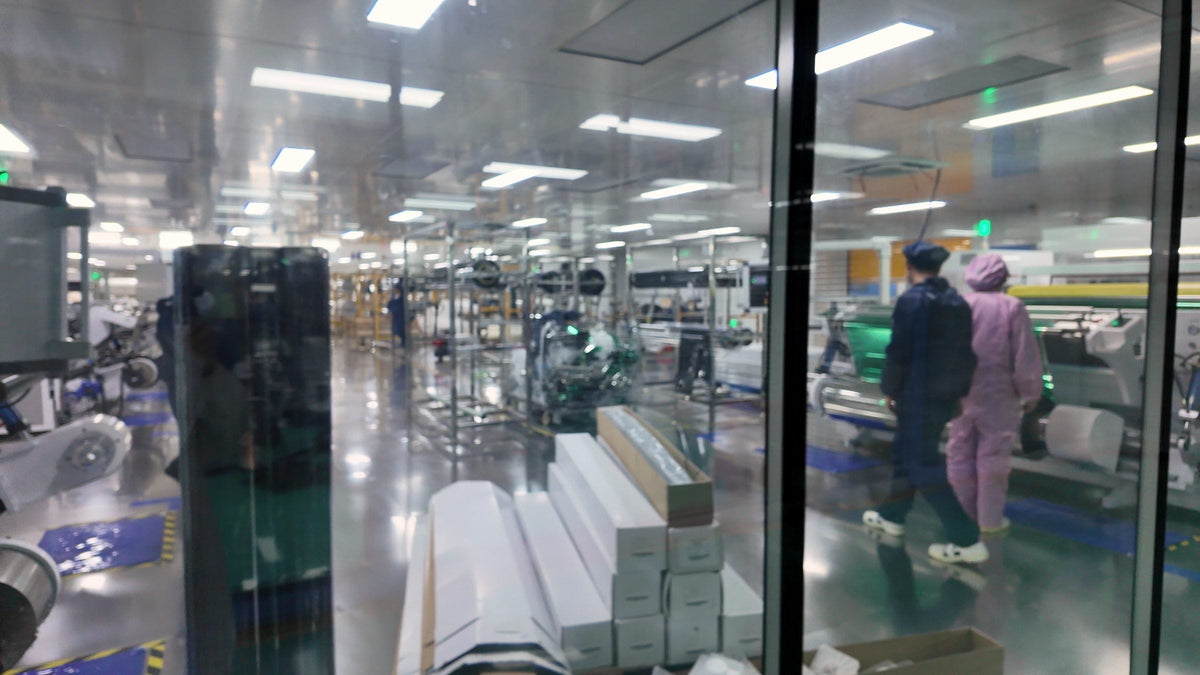
That is what HIGHCOOL does. We run our own 20,000 m² factory in Shanghai, certified to ISO 9001, and our film is REACH compliant. We supply shops and distributors in 60+ countries. Our Nano Ceramic Solar Car Window Tint Film and the wider Automotive Window Tint range are sold by the roll and ship from China. Free A4 samples come from our US sample stock, and the buyer pays shipping. Private label starts at 30 rolls per model, with packaging setup quoted in writing. Every roll carries its own code, so a warranty claim traces back to the batch it came from. The factory page shows the plant, and the wholesale and dealership pages explain how ordering works.
We will not print wholesale prices here, because they depend on your country, product mix and volume. Tell us those three things through the contact page and we will send a factory-direct quote within 12 business hours.
FAQ
Who are the top nano ceramic tint manufacturers in 2026?
The names shops compare most are 3M, Eastman (LLumar), Hüper Optik, Saint-Gobain Solar Gard and XPEL. Each publishes its own nano-ceramic line and specs. Factory-direct makers such as HIGHCOOL are the alternative for shops that want private label or lower cost per roll.
Is nano ceramic tint better than regular ceramic tint?
Nano ceramic is the term most makers now use for their ceramic lines, so the label alone tells you little. What matters is the data sheet for the exact shade: total solar energy rejected, infrared rejection and UV blocking. Compare those numbers, measured the same way, before you choose.
Can I sell nano ceramic tint under my own brand?
Yes, through a factory that offers private label. At HIGHCOOL the minimum is 30 rolls per model, and packaging setup is quoted in writing. Big brand-name makers generally sell their film under their own brand through dealers.

Share:
OEM Window Tint Suppliers: Brand Your 35% Ceramic Film
Factory Direct Window Tint: Shipping and Reorder Planning for Buyers