OEM Window Tint Suppliers: Why Branding Your 35% Ceramic Film Matters More Than Most Buyers Realize

OEM window tint suppliers are often evaluated too narrowly. Many buyers compare price, MOQ, or shipping speed and stop there, as if OEM supply were only a sourcing function. In reality, the right OEM relationship does something much bigger: it helps a tint business turn generic film into a more credible, more defensible, and more profitable branded offer.

That is especially true for products like 35% ceramic film.

35% is one of the most commercially useful shade levels in the window tint market because it sits in a broad middle zone. It is dark enough to feel upgraded, light enough to feel accessible, and flexible enough to work across many customer types and vehicle categories. When that kind of product is paired with custom packaging and a clear brand position, it stops being just another film roll and starts becoming part of a recognizable business identity.

That is why OEM and private-label buyers should think about more than what comes inside the box. The box itself, the branding, the consistency, and the confidence behind the offer all matter if the goal is to build something more lasting than price-driven resale.

Why OEM Supply Is Really About Business Positioning

Most buyers first approach OEM manufacturing because they want more control. That part is true. But the deeper reason OEM matters is because it changes how the business is perceived.

When a company moves from reselling anonymous film to offering a branded product line, several things happen:

  • the brand looks more established
  • customers take the offer more seriously
  • the business becomes easier to differentiate
  • pricing becomes easier to defend
  • repeat sales can become more structured

This is why OEM window tint suppliers matter so much. The right supplier is not only helping you source film. They are helping you shape how the market experiences your brand.

That is a much more valuable role than simple manufacturing support.

Why 35% Ceramic Film Is a Smart Branding Product

If a buyer is going to invest in private-label packaging, shade selection matters.

35% ceramic film is one of the strongest candidates because it works well as a flagship mid-market premium line. It has several commercial advantages:

  • broad customer acceptance
  • easy explanation in sales conversations
  • strong balance between style and usability
  • a premium story that does not feel extreme

That makes it easier to brand successfully.

Some products are too niche to build a mainstream branded line around. Others are too basic to support a premium identity. A well-positioned 35% ceramic film often lands in the sweet spot. It gives the brand a product that feels widely relevant while still sounding like a real upgrade.

This is also why HighCool's Is Ceramic Tint Worth It? and Ceramic Window Tint Cost Guide are natural internal links for this topic. They support the value logic behind why ceramic, and especially a usable shade like 35%, is worth branding carefully.

Why the Box Matters More Than Buyers Expect

A lot of businesses underestimate how much packaging affects credibility.

That happens because the buyer inside the business sees the film first. The market often sees the packaging first.

A branded box does several things at once:

  • makes the line feel more real
  • reinforces product consistency
  • supports reseller or dealer trust
  • improves the professional appearance of the offer
  • creates a stronger impression in logistics and storage

For shops, resellers, and dealer-facing programs, branded packaging also helps simplify the internal story. Instead of saying, “This is film we source from somewhere,” the business can say, “This is our ceramic line.”

That difference sounds small, but commercially it is not. It helps customers remember the product and helps the business present itself as more structured and more deliberate.

What Good OEM Window Tint Suppliers Actually Provide

The strongest suppliers do more than print a logo on a carton.

Good OEM support usually includes:

  • stable film quality
  • repeatable VLT consistency
  • packaging customization options
  • practical MOQ structure
  • clear communication on production and dispatch
  • enough technical transparency that the buyer trusts the line

This matters because custom packaging only adds value when the product inside is stable enough to support the brand outside.

That is why buyers should evaluate the full relationship. If the shade shifts between orders, if communication is slow, or if packaging options are unclear, the “OEM” offer may create more image risk than brand value.

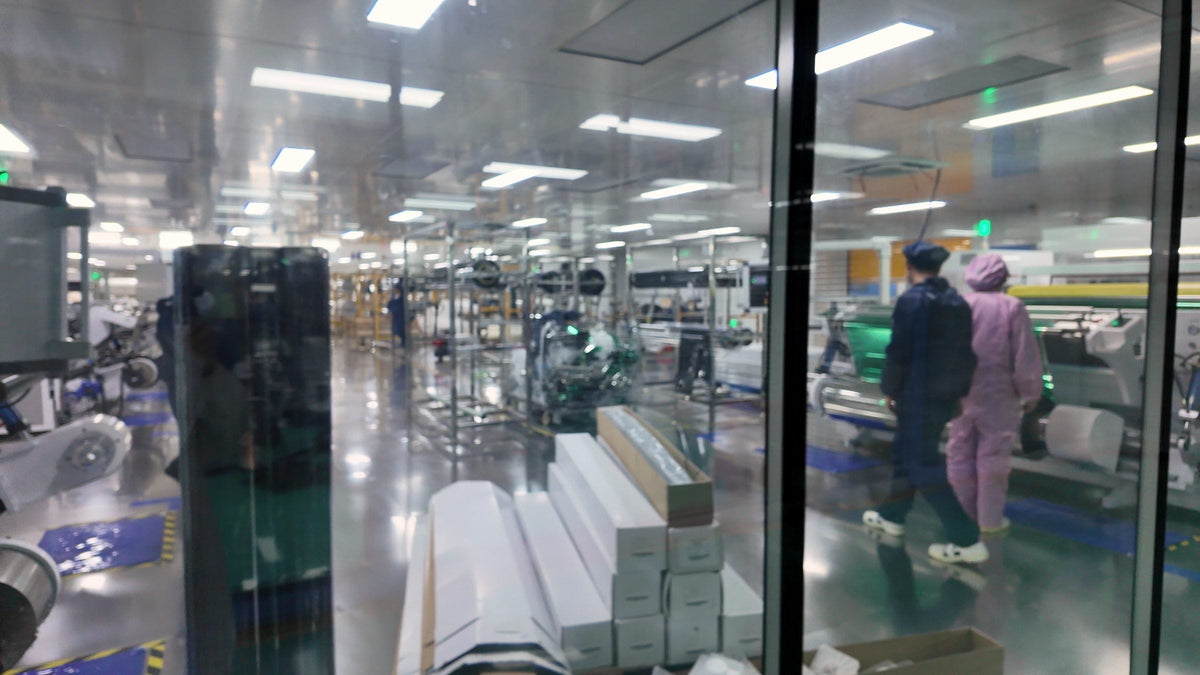
Pages like About Us Factory, Wholesale, and Dealership are strong internal support here because they help show whether the supplier looks capable of supporting long-term business relationships rather than one-off custom requests.

Why Ceramic Branding Works Better When the Performance Story Is Clear

A branded tint line becomes much easier to sell when the product benefits are easy to explain.

This is another reason 35% ceramic works well. It gives the business a useful language set:

  • better comfort
  • premium heat control
  • UV-focused value
  • better all-around usability than darker niche shades

That kind of product is easier to present to dealers, installers, and end buyers because the story feels practical, not exaggerated.

HighCool's Nano Ceramic Solar Car Window Tint Film is especially relevant here because it provides a direct product-level bridge between OEM branding strategy and ceramic product performance.

And if the buyer wants broader supporting context, Carbon vs Ceramic Window Tint and Ceramic vs Regular Window Tint are useful internal links because they help explain why a ceramic line deserves different market treatment from a lower-positioned standard film.

Why Private Labeling Can Improve Margin Without Lowering Trust

Many businesses start private labeling because they want better economics. That is reasonable. But the real long-term gain is not only margin. It is control.

Private labeling helps the brand control:

  • product identity
  • packaging presentation
  • customer memory
  • pricing narrative
  • perceived exclusivity

That makes the business less dependent on reselling somebody else's category story.

Instead of always competing on:

  • who has the cheaper film
  • who can match another supplier's line
  • who has the fastest quote

the business can compete on:

  • its own product story
  • its own positioning
  • its own visual identity

That shift is where private-label OEM becomes strategically valuable.

Experience-Based Advice Before Starting an OEM Tint Program

Buyers considering a ceramic OEM line usually benefit from asking a few harder questions before they commit.

For example:

  • Is the 35% shade likely to become a hero product or just one supporting SKU?
  • Will the packaging be used for dealer accounts, retail shops, or broader wholesale?
  • Is the supplier capable of supporting repeat production with the same look and feel?
  • Does the brand have a clear positioning story for why this line matters?

The more clearly those questions are answered, the stronger the OEM program usually becomes.

That is why experienced buyers do not treat OEM purely as a production exercise. They treat it as a product-strategy decision.

Final Take

The real value of OEM window tint suppliers is not just that they can manufacture your film. It is that they can help you build a more credible, more memorable, and more defensible tint business.

For a shade like 35% ceramic, the opportunity is especially strong. The product itself is commercially useful, easy to position, and broad enough to support a branded line that can appeal to multiple sales channels. When that product is paired with strong packaging and a supplier capable of real consistency, the business gains far more than just another box. It gains a more serious market identity.

That is what makes OEM branding worth doing well.

Summary

OEM window tint suppliers matter because they help brands do more than source film. They help build product identity, support private-label credibility, and create a more defensible market position. A 35% ceramic line is particularly strong for this kind of strategy because it balances mainstream usability with premium positioning, making it an ideal product for custom branding and repeat dealer or installer sales.

The strongest internal links for this article are About Us Factory, Wholesale, Dealership, Nano Ceramic Solar Car Window Tint Film, and Is Ceramic Tint Worth It?.

FAQ

1. Why do buyers choose OEM tint suppliers instead of generic resellers?

Because OEM suppliers offer more control over branding, packaging, repeat production, and long-term product positioning.

2. Why is 35% ceramic a strong product for private labeling?

Because it is broadly usable, easy to explain, and premium enough to support a branded line without feeling too niche.

3. Does custom packaging really affect sales?

Yes. Packaging strongly influences credibility, dealer trust, and how seriously the product is perceived in the market.

4. What is the biggest mistake in starting a private-label tint line?

Focusing only on box design without making sure the product quality and supply consistency can support the brand.

5. What should buyers check before choosing an OEM supplier?

They should check film consistency, MOQ structure, packaging options, communication quality, and repeat-order reliability.

6. Why does a stronger OEM supplier relationship improve margins?

Because it supports brand control, clearer pricing narratives, and less dependence on undifferentiated resale competition.

Contact Us

This site is protected by hCaptcha and the hCaptcha Privacy Policy and Terms of Service apply.

Latest Stories

View all

Best PPF for Black Cars: Optical Clarity & Swirl Guide

What's the Best PPF for Black Cars? The best PPF for black cars needs 3 properties: 95%+ optical clarity to avoid haze, premium self-healing TPU for swirl marks (which show easily on black), and aliphatic polymer formulation to prevent yellowing...

Read more

Does Matte PPF Hurt Resale Value More Than Gloss?

This guide breaks down the resale value math, why matte affects buyers differently than gloss, the Cybertruck-specific data that flips the usual pattern, maintenance difficulty differences, who actually buys matte-finished vehicles, install cost differences, and whether you can convert from matte to gloss PPF if your situation changes.

Read more

Self-Healing PPF Test: Heat Recovery Results & Data

This guide breaks down how self-healing works at the material level, repeatable test methods you can run at home, recovery time benchmarks by temperature, the depth limits of self-healing, brand performance differences, and when self-healing stops working entirely on aging film.

Read more