
Yes, 20% ceramic window film makes a fleet van like the Ford Transit noticeably cooler and easier to drive in the sun, as long as it goes on the windows where 20% is legal. In most states that means the glass behind the driver, not the front doors. Whether it also cuts air conditioning cost depends on the route and climate, and no honest supplier can promise a percentage.
That is the version fleet managers can take to their finance team. The comfort gain is real and drivers notice it on day one. The fuel or HVAC saving is something to measure on your own vans, not something to read off a brochure.
Why Transit vans get hot
The Transit is a common example because it is everywhere: parcel delivery, trades, shuttles, mobile service. Passenger and crew versions have a lot of side and rear glass. They sit in the sun between stops, the doors open dozens of times a day, and the AC runs flat out trying to catch up. Cargo in the back soaks up heat and gives it off for hours.
Ceramic film helps because it blocks much of the solar heat coming through the glass, not just the visible light. A darker shade of a cheap dyed film looks cooler and still lets a lot of heat in. The heat rejection comes from the film construction. Our articles on heat-blocking window tint and window tint heat rejection explain how it is measured.
Where 20% is legal on a fleet van
This is the part a fleet program has to get right before anything else. Most states do not allow 20% on the front side windows. Many set the front sides at 25% to 70%, and a few allow no film there at all. Rear side and rear glass rules are looser in many states, especially on vans and SUVs with mirrors on both sides. Check each state your vans are registered in; our window tint percentage laws table is a starting point.
Federal rules can apply too. For commercial motor vehicles, 49 CFR 393.60 requires the windshield and the windows to the immediate left and right of the driver to let through at least 70% of light; the other windows are not restricted. Most light vans fall under the weight limit for that rule, but heavier Transit configurations can cross it. Check the GVWR on the door label before you write the spec.
A workable standard for many fleets is 20% ceramic on the rear side and rear glass, with a light ceramic film on the front sides that stays inside the state limit. The driver still gets heat control up front, and the van stays legal.
What drivers actually get
A cooler cabin is the obvious one. The steering wheel and seats are not as hot after a stop, the AC brings the cabin down faster, and the sun on the driver's arm and neck through the side glass is less harsh. Glare off wet roads and low evening sun drops too.
UV is the less obvious one. The Skin Cancer Foundation notes that UVA passes through side windows and recommends UV-blocking film; see its page on UV window film and tint. Fleet drivers sit behind the same glass all day, every working day, so this matters more for them than for most car owners. Quality film blocks UV at light shades as well as dark ones.
How to judge the return
We will not quote an HVAC saving percentage. It depends on climate, route length, glass area, idle time, how hard the AC is run and the condition of the vans. What a fleet can do is measure. Tint a few vans first and leave a few untinted on similar routes. Record cabin temperature after a midday stop, ask drivers for feedback after a month, and compare fuel or idle data if your telematics tracks it. That gives you a real number for your own fleet.
Count the softer gains too. Drivers who are less worn out by heat make fewer complaints, and a fleet where every van has the same shade looks like one operation in the yard.
Making the program repeatable
Fleet tint goes wrong when every van is done differently. Write it down once: which vehicle types get film, which windows, which shade on each window, which film line, and which states the vans are registered in. Use the same film line across the fleet so the color matches and replacement vans can be done to the same spec. Keep the work order for every van, with the shade per window, in case one gets stopped or fails inspection.
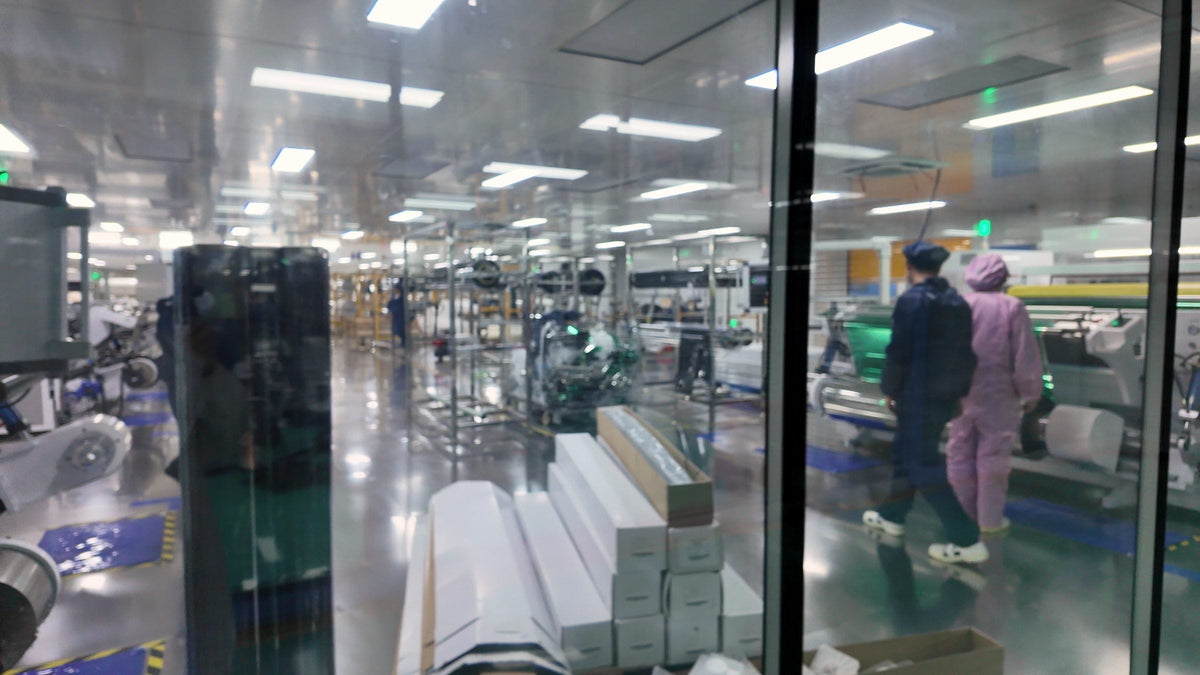
For the film, see HIGHCOOL Nano Ceramic Solar Car Window Tint Film and our wider Automotive Window Tint range. We make Window Film by the roll in our own Shanghai factory and ship it from China, and free A4 samples come from US stock with the buyer paying shipping.
If you run fleet installs or want a fleet tint standard you can repeat across locations, tell us your vehicle count and the states involved through the dealership page, and we will quote within 12 business hours.
FAQ
Is 20% tint legal on a Ford Transit?
Usually only on the rear side and rear windows. Most states require lighter film on the front side windows, and a few allow none. Check each state where the vans are registered, and the federal 70% rule if the van counts as a commercial motor vehicle.
Does ceramic tint reduce fleet AC costs?
It can reduce how hard the AC works, because ceramic film blocks much of the solar heat through the glass. The size of any saving depends on climate, routes and idle time. Test it on a few vans before rolling it out.
Why use one film line across a whole fleet?
One film line keeps the shade and heat performance the same on every van. Replacement vans can be done to the same written spec. It also makes it simple to show inspectors and police what is on each window.

Share:
Top 5 Nano Ceramic Tint Manufacturers in 2026
Police and Security Vehicles: How Shops Should Approach 5% Limo Tint Contracts