
Illinois tint law allows 35% film on the front side windows as long as no window behind the driver is darker than 35%, which is why 35% all around is the standard legal setup in the state. Go darker on the back glass and the front windows have to stay at 50% or lighter, or carry no film at all.
That rule is the real reason 35% keeps coming up in Illinois. It is the darkest shade a car can wear on every side window at once. For a tint shop, the job is to know the exceptions before the customer asks for limo on the rear and "a little something" on the front.
Illinois tint laws by window
The rules sit in Section 12-503 of the Illinois Vehicle Code (625 ILCS 5/12-503). In plain terms:
| Window | What Illinois allows |
|---|---|
| Windshield | Nonreflective film only along the top, no more than 6 inches down from the upper edge |
| Front side windows | At least 35% light transmittance, if no rear window is below 35% |
| Front side windows, darker rear glass | At least 50%, if no rear window is below 30% |
| Front side windows, factory tinted rear glass | At least 50% |
| Rear side and rear windows | Any nonreflective tint, but only when the front side windows have no film |
| Any treated rear window | Outside mirrors required on both sides of the vehicle |
The front-window limits carry a 5% variance for the officer metering the glass. Do not sell to the variance. Factory glass is never perfectly clear, so a 35% film on a front door reads lower once it is on the car, and the officer meters the window, not the box the film came in. Meter the finished glass before the car leaves.
The statute also has a medical exemption for conditions such as lupus and albinism. The owner needs a physician's certification in the vehicle and the matching plate or sticker from the Secretary of State, and the law says light sensitivity that sunglasses can handle does not qualify.
For how other states compare, see our window tint law guide.
Why 35% is the common choice for Illinois drivers
Most customers want the car to look evenly tinted from the side. In Illinois, 35% is the only shade that does that legally on a sedan. It reads clearly tinted from the curb, cuts glare off wet roads, and still leaves enough light for a dark January commute.
Illinois winters make that last point matter. Daylight is short, skies stay grey for weeks, and the drive home often happens under streetlights in rain or slush. A driver who chose 20% in July finds out in December how much harder it is to check a blind spot at dusk.
SUVs and pickups are the trap. Many leave the factory with privacy glass in the rear, and that alone caps the front side windows at 50%. Customers see the dark rear glass and ask for a front that matches. Explain the 50% cap before you quote, not after.
Our window tint percentages guide shows what each shade looks like on the car.
The film matters as much as the shade
The percentage only sets how much visible light gets through. Heat rejection and UV blocking come from how the film is built. A good ceramic film at 35% can keep a cabin cooler than a cheap dyed film that is darker, and it will not turn purple on the back glass after a few summers.
UV is the part customers forget. The Skin Cancer Foundation notes that side windows let UVA through and that UV-blocking window film reduces that exposure; its overview is here: UV Window Film & Tint. Quality film blocks UV at any shade, including the lighter 50% fronts that SUV owners are stuck with.
For the comparisons, see ceramic vs regular tint, ceramic window tint cost and is ceramic tint worth it.
What an Illinois tint shop should stock
Carry 35% and 50% in the same film line so the color matches front to rear, and keep a darker shade for the back glass of customers who leave the fronts bare. Write the shade per window on the work order, note whether the rear glass was factory tinted, and keep the meter reading. If a customer gets stopped, that record protects you.
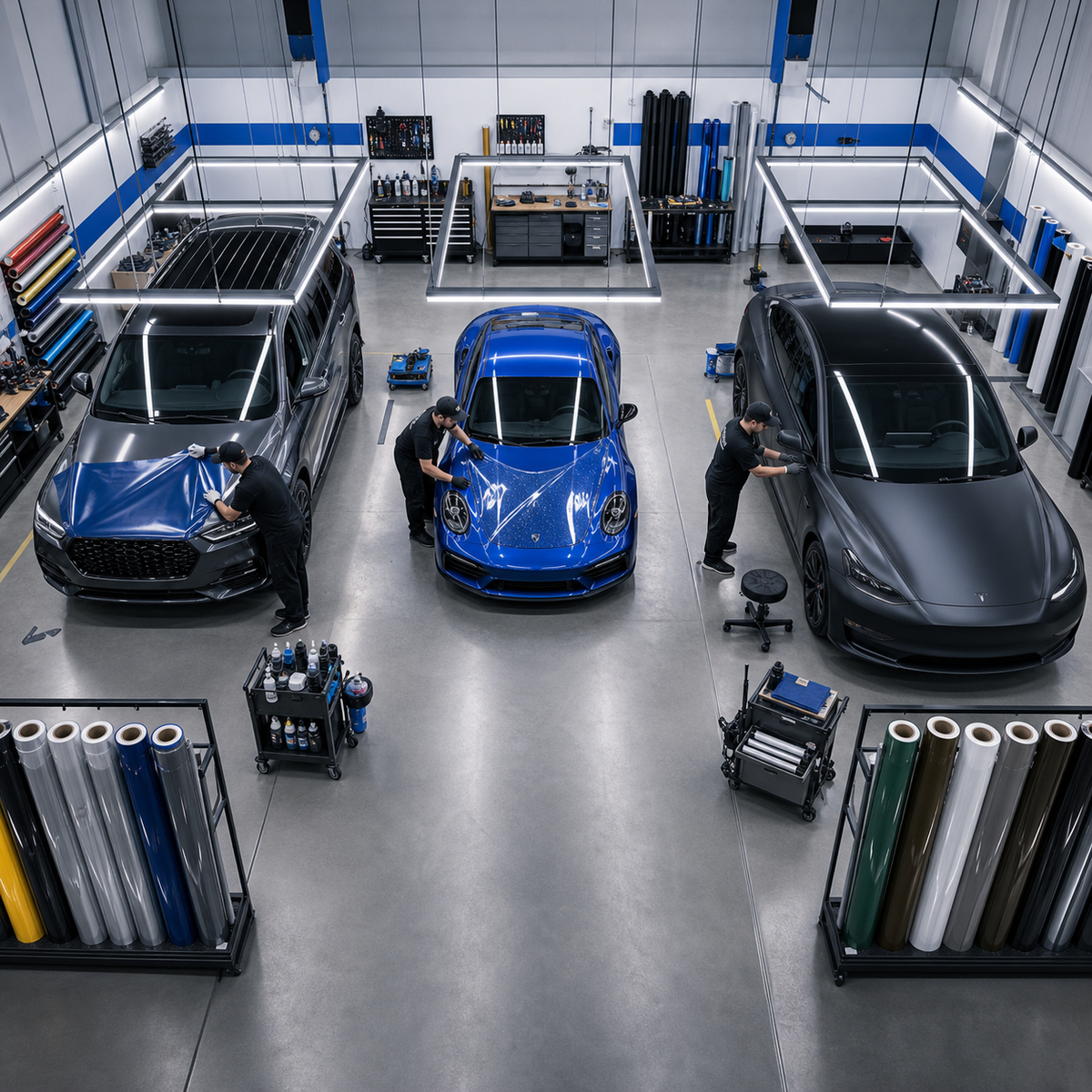
Tint jobs also bring up the paint. Automotive Window Tint handles glare, UV and heat inside, and Paint Protection Film takes stone chips and road salt outside. Customers who ask about their homes can read about home window film pros and cons and architectural and decorative film.
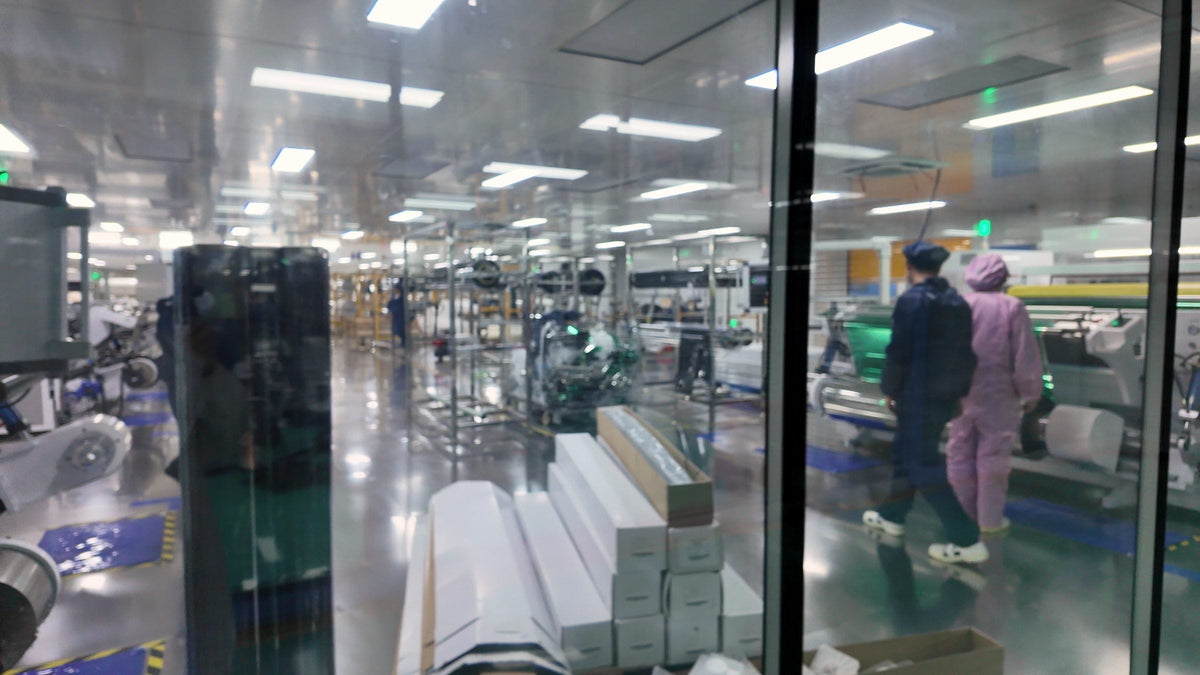
HIGHCOOL makes Window Film in 1.52 m x 30 m rolls in our own Shanghai factory and ships it from China. Our nominal shades are 73%, 39%, 18% and 6% in the WA dyed series (5-year warranty), and 70%, 30%, 20% and 8% (WV) or 70%, 30%, 16% and 4% (WU) in nano ceramic (7-year warranty). We do not make a 35% or 50% film. A 39% film over typical factory glass can meter below 35%, so in Illinois the 70% grades are the safe choice for tinted front doors, and the darker shades belong on rear glass when the fronts stay bare.
Free A4 samples come from US sample stock (you pay shipping), so you can meter them on your own glass first. Look through our Window Film collection and send us your monthly roll volume, and we will quote within 12 business hours.
FAQ
Is 35% tint legal in Illinois?
Yes, 35% is legal on the front side windows as long as no window behind the driver is darker than 35%. That makes 35% on every side window and the rear the darkest even setup allowed. The windshield can only take film on the top 6 inches.
Can I tint the front windows if my SUV has factory privacy glass?
Yes, but only to 50% or lighter. Illinois caps the front side windows at 50% when the rear glass was tinted by the manufacturer. Darker film on the fronts is not legal on that vehicle.
How dark can rear windows be in Illinois?
Any darkness is allowed on the rear windows only if the front side windows have no film. Once the fronts are tinted, the rear glass has to stay at 35% or lighter for 35% fronts, or 30% or lighter for 50% fronts. Any vehicle with treated rear windows needs outside mirrors on both sides.

Share:
Ohio Tint Rules: 50% VLT Guide for Tint Shops
Ceramic Tint Ghosting and Low-Angle Haze: How Cheap Film Hurts Shop Reputation