
Stock both, but expect 20% to be the shade most daily drivers are happier with, and keep 15% for customers who want strong privacy and already know they like dark glass. On paper the gap is five points. On a rainy night in a parking garage it feels much bigger, and that is where most tint regret starts.
For a driver choosing between the two, the short version is this. Choose 20% for the best balance of look, privacy and night visibility. Choose 15% if privacy and a darker custom look come first and you are comfortable giving up some visibility after sunset.
What 15% vs 20% window tint actually means
The percentage is Visible Light Transmission, or VLT: how much visible light gets through the glass and film together. A 20% tint lets more light through than a 15% tint, so it looks slightly lighter from outside and slightly brighter from inside.
Factory glass is never perfectly clear, so the number on the film box is not the number on the car. Put 15% film on glass that already passes 80% of light and you end up at about 12%. Rear glass on many SUVs already carries factory privacy shading, which pushes the result darker again. Cabin color and paint color change how dark it reads, too.
Our window tint percentages guide shows how each level looks on real cars. If you are leaning darker, the 15% window tint guide covers that shade in more detail.
Where the difference shows up
In bright afternoon sun you will barely notice it. Backing out of a dim garage, checking for a cyclist in the rain, or looking over your shoulder on an unlit street, you will.
Privacy
15% gives the stronger privacy effect. The side glass goes darker, and from outside the cabin looks closed off. If you want people in traffic or walking past a parked car to see less, 15% delivers more of that.
Appearance
20% still looks dark and deliberate, just more balanced. The car looks customized without tipping into the heavily tinted look, which is exactly why many owners pick it.
Night driving
This is where 20% pulls ahead for everyday use. Rain, oncoming glare, poor street lighting and older eyes all make darker film feel more restrictive than people expect, and a few extra points of light help.
Why 20% tint suits most daily drivers
20% makes the car look upgraded right away, cuts glare and adds privacy, and it stays easy to live with when conditions are not ideal. Most cars are not driven only in daylight. They leave before sunrise in winter, sit in evening traffic, and go in and out of parking structures. A darker tint can work in all of those, but 20% leaves more margin. It is the safer pick for:
- commuter sedans
- family SUVs
- cars shared by more than one driver
- first-time tint buyers
- anyone who wants dark windows without second-guessing the choice later
Pair 20% with a good ceramic film and you get most of the heat benefit without going very dark. See ceramic vs regular window tint and is ceramic tint worth it for the film side of the decision.
Why some drivers still prefer 15%
15% gives the car more presence. On white, silver, grey and black cars it looks bolder, and on coupes, sporty sedans and some SUVs the darker glass suits the body lines. For drivers who tint mainly for privacy, who drive mostly in bright conditions and like a cocooned cabin, 15% is the more satisfying choice.
Choose it when you already know your tolerance for dark glass. If you are unsure, do not count on getting used to it. Some drivers do. Others wish they had gone one step lighter.
Heat rejection, UV protection, and comfort
Darker does not automatically mean cooler. The shade controls glare and how dark the glass looks, while the film construction decides how much solar heat it blocks. A well-made ceramic film at 20% can keep a cabin cooler than a cheap dyed film at 15%.
UV is a separate question. The Skin Cancer Foundation notes that UVA rays pass through window glass, especially side windows, and recommends UV-blocking window film as part of sun protection. Its overview is here: UV Window Film & Tint. Quality film at either shade protects skin, dashboards and seat trim.
Choosing by vehicle type
On sedans, 15% looks especially dark because the cabin is easy to see into. On SUVs and crossovers, 20% still reads rich, particularly over factory privacy glass. Sample cards only go so far; compare both shades on real cars with real glass before you commit.
If the car is getting a full protection upgrade, tint pairs naturally with Paint Protection Film. Tint handles heat, glare and privacy inside. PPF protects the paint from stone chips, bug acid and light scratches outside.
Legal and practical considerations
Check local law before choosing either shade, and remember the legal limit applies to film and glass combined. In many states neither shade is legal on the front doors. California requires at least 70% on the front side windows, Texas 25% and Florida 28%. Rear glass is usually more relaxed: Florida, for example, allows 15% on the rear side windows of a sedan. Our window tint law guide covers the state rules in more detail.
A common legal setup is a lighter front shade with 15% or 20% behind the driver. That gives the privacy where passengers sit and keeps the driver's view to the mirrors clear.
What tint shops should stock
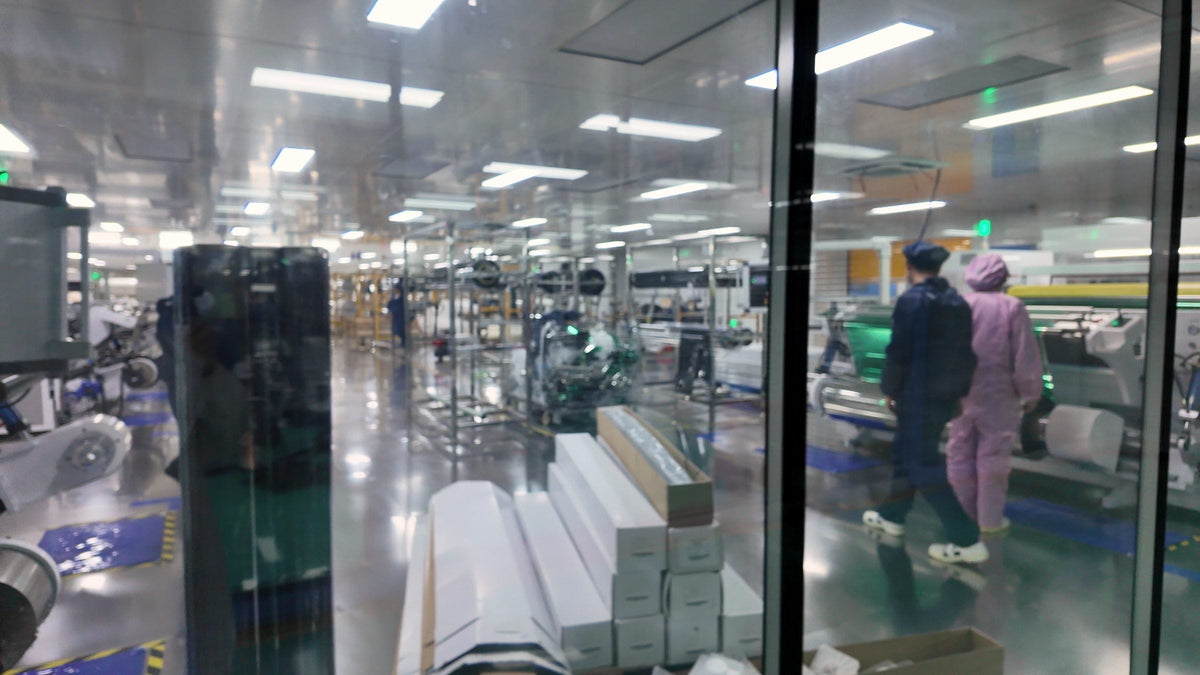
For a shop, 20% is the shade to demo first and 15% is the one customers ask for by name. Keep both on the shelf in the same film line so the color matches when a customer mixes shades front and rear. In our range the closest dark pair is WU15 (nominal 16%) and WV20 (nominal 20%), both nano ceramic with a 7-year warranty; WA18 is the dyed option at a nominal 18% with a 5-year warranty. Those are film-only figures, so meter the car once the film is on the glass. HIGHCOOL sells Window Film by the roll, factory-direct from our Shanghai plant; it ships from China, and free A4 samples come from US sample stock, with the buyer paying shipping. Specs for our lines are on the supplier page, and samples are requested through the free A4 sample page.
If you want both shades in one film line for your shop, tell us your monthly roll volume through the contact page and we will quote you within 12 business hours.
FAQ
Is 15% tint much darker than 20%?
Yes, more than the numbers suggest. Most drivers notice the difference at night, in rain and in parking garages. In daylight the two look closer.
Which is better for daily driving, 15% or 20% tint?
20% is the better daily choice for most drivers because it keeps more visibility at night while still adding privacy and a darker look. 15% suits drivers who put privacy first and are used to dark glass. Check your state's limit for front side windows before choosing either.
Does 15% tint block more heat than 20%?
Not automatically. Heat rejection depends mostly on the film type, and a ceramic film at 20% can block more heat than a dyed film at 15%. Ask for the total solar energy rejected figure for the exact film.

Share:
Ohio Tint Rules: 50% VLT Guide for Tint Shops
Ceramic Tint Ghosting and Low-Angle Haze: How Cheap Film Hurts Shop Reputation