
A vinyl wrap business makes its money on labor hours that turn into billed hours, on a job mix that keeps the bay full between big wraps, and on the callbacks it avoids. Film is a real cost, but for most shops it is a smaller line than labor and rent. Busy shops that still feel broke usually have a leak in one of those three places.
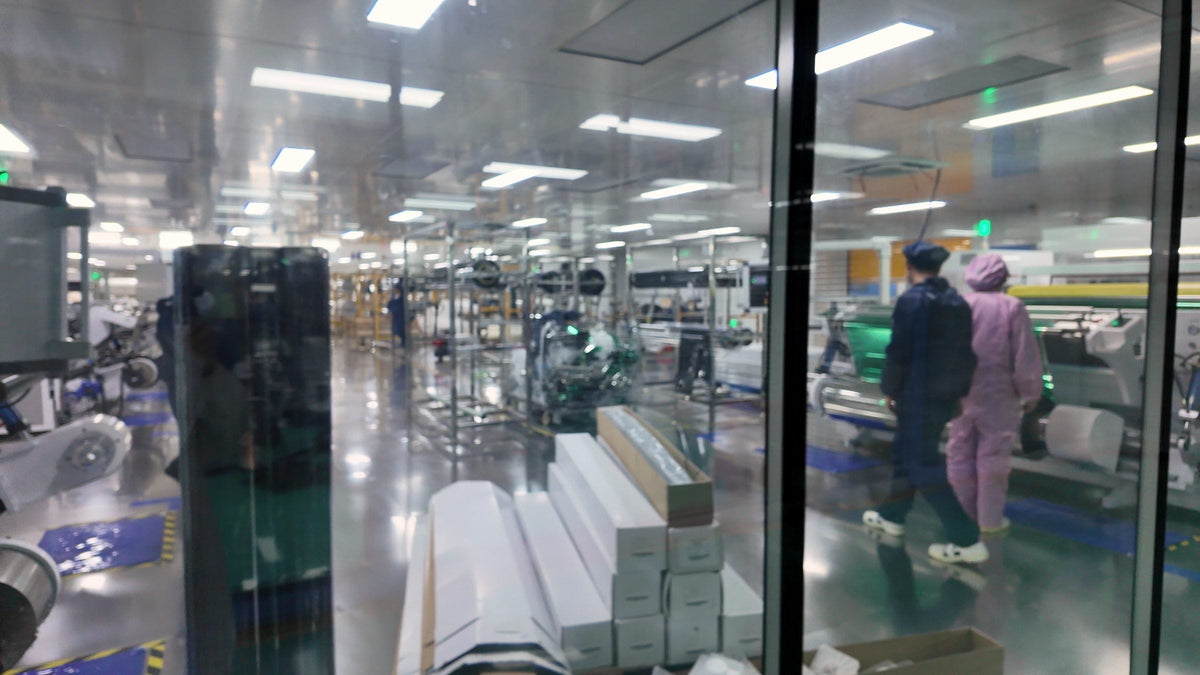
We see this from the supply side. HIGHCOOL makes Vinyl Wrap, PPF, Color PPF and Window Film in our own 20,000 m² factory in Shanghai and sells it by the roll to shops in 60+ countries. We do not see your books, and we are not going to print margin percentages as if they applied to every shop in every city. What follows is how the money moves through a typical job, and where owners tell us they found it was leaking.
Where the revenue comes from
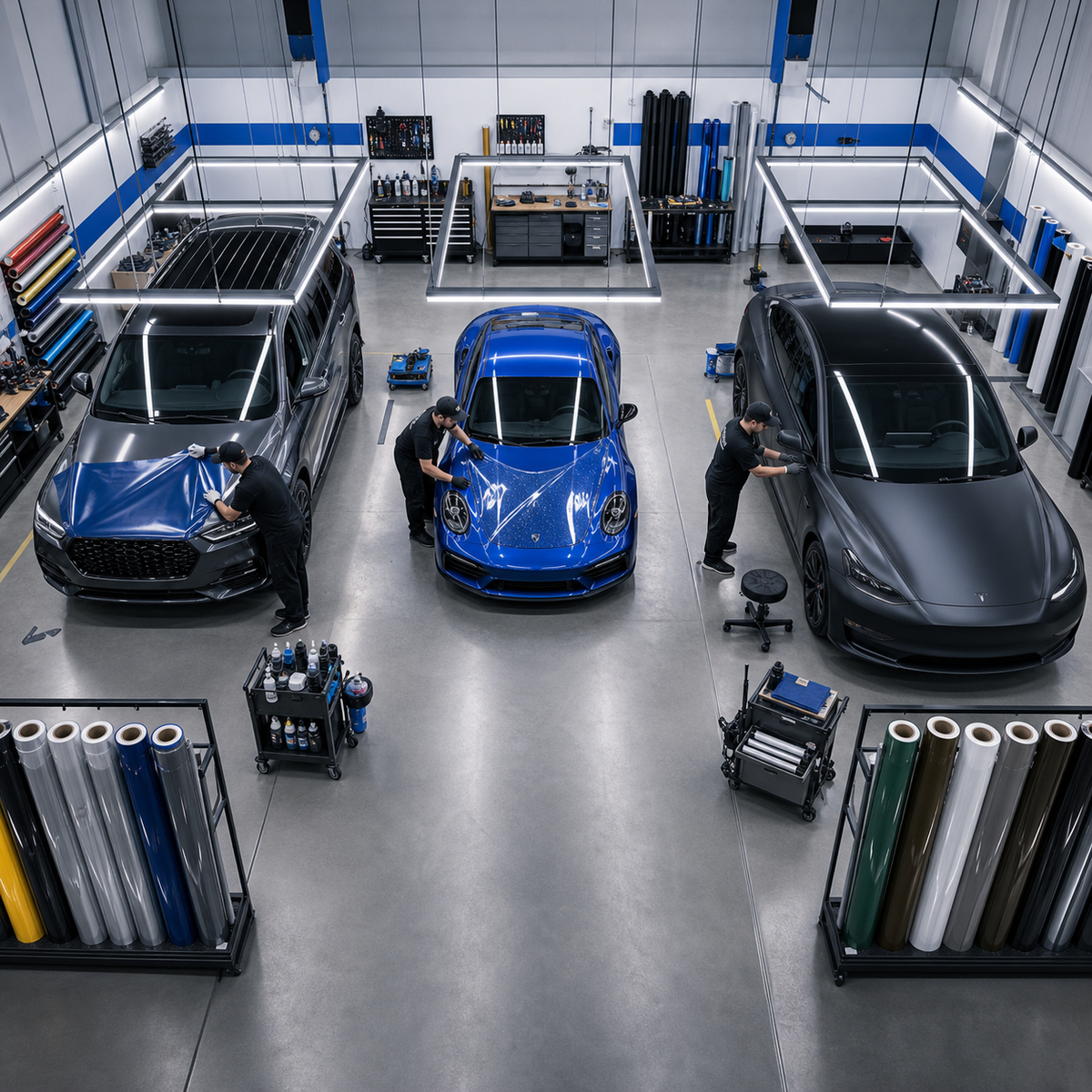
Most shops start with full color-change wraps and add other work later. Each kind of job behaves differently on the books, so it is worth knowing what each one does for you.
| Job type | Ticket size | Bay time | What it does for the shop |
|---|---|---|---|
| Full color-change wrap | High | Days | Main income and portfolio work; price depends heavily on reputation |
| Commercial fleet wraps | Medium per vehicle, high per contract | Shorter per van once you have templates | Booked, repeat work that smooths out slow months |
| PPF, full or partial | High | Days for full, hours for partial | Higher ticket per car; a natural add-on for wrap customers |
| Window tint | Low to medium | Hours | Fast, repeatable, easy to sell to people already in the shop |
| Partial wraps, roofs, chrome delete, accents | Low | Hours | Fills gaps between big jobs; uses offcuts and spare bay time |
| Dealer and body shop work | Varies | Varies | Steady referrals with little marketing cost per job |
The mix matters more than raw volume. A shop doing only full wraps has empty days whenever a booking slips. A shop that can drop a chrome delete or a tint job into that gap keeps the installer billing. Small jobs rarely make you rich on their own, but they decide whether the hours between big jobs are paid or wasted.
What one full wrap really costs you
Most owners can tell you what they charged for a wrap. Fewer can tell you what it cost. Write each of these lines down for your last ten jobs, using your own numbers, and the picture usually changes.
| Cost line | What goes in it | Where shops miss it |
|---|---|---|
| Film | Rolls used, including waste and test pieces | Counting only the film on the car, not the scrap and the re-cut panels |
| Consumables | Cleaners, tape, blades, primer, edge sealer | Small per job, but rarely tracked at all |
| Labor | Every hour from wash to handover, at what the installer really costs you | Quoting the hours you hoped for, not the hours it took |
| Rent and overhead | Rent, power, insurance, software, split across the jobs you do each month | Leaving it out because it is paid monthly, not per job |
| Getting the customer | Ads, photos, the time spent quoting jobs you did not win | Treating sales time as free |
| Rework | Film and labor for callbacks and redone panels | Not recording callbacks, so they never show up as a cost |
Labor is usually the biggest line. If your quotes assume a sedan takes the hours a good day takes, every harder car eats into the margin. Time your installs for a month and quote from the real average.
Rework is the cost with no invoice
A callback costs you twice. You pay for the film again, and you pay an installer for hours nobody is billing. If the car sits in a bay while you fix it, that bay is not earning on a new job either, and the customer is now less likely to send a friend.
Most callbacks trace back to a short list: poor surface prep, edges that were not post-heated properly, film overstretched into a recess, or film that was wrong for the panel. Calendered film forced into a deep bumper pocket will pull back. So will any film if the edges were rushed before pickup. Write down every callback, what failed and on which panel. After a few months the pattern tells you whether to fix training, prep or the film you buy. Our guides to vinyl wrap peeling and vinyl wrap adhesive types cover the usual causes.
Fleet work and consumer work are two different businesses
Consumer color changes pay well per car, but the work is lumpy. Inquiries rise and fall with the season, and each customer has to be won one at a time. Fleet work pays less per vehicle, but one contract can fill your calendar for weeks, and once you have templates for a van model, each one goes faster than the last.
Fleet buyers care about different things. They want the fifth van to match the first, so color consistency across batches matters far more than it does for a single sports car. Buy enough film from one batch for the whole program where you can, and keep the roll labels. Every HIGHCOOL roll carries its own code, which lets us trace a roll back to its batch if a color question comes up later. See how vinyl wrap color and batch tracking works.
Good first fleet targets are local businesses that already run several vehicles: plumbers, electricians, HVAC firms, builders, delivery and cleaning companies. Show them finished vans, a price per vehicle and a schedule. Fleet managers buy on reliability and paperwork more than on looks.
Where film sourcing fits
Film price matters, but it is one line of six. Buying cheaper film helps only if it does not raise your scrap, slow your installers or add callbacks. A roll that costs less but tears on a mirror cap or lifts on a door edge is not cheaper by the end of the job.
Before switching suppliers, run the same test on your own panels: install a sample on a flat door and a curved bumper, post-heat it, and look again after a week of sun. Ask for the TDS and the warranty in writing. Know what you are buying, too. HIGHCOOL Vinyl Wrap is calendered PVC, sold in 300+ colors on 17 m rolls with a 2-year warranty. It suits flat and moderate curves, partial wraps, roofs, trim and interiors. For deep-curve full wraps that must last many years, use cast film or Color PPF. Our cast vs calendered comparison explains where each one makes sense.
We will not print wholesale prices per square meter here, because your price depends on your country, your product mix and how much you move. Tell us those three things and we will quote you within 12 business hours. The questions worth asking any supplier are in our vinyl wrap wholesale guide, and the difference between buying from a factory and from a brand is covered in vinyl wrap factory vs brand.
Growing from one installer to a shop
Most wrap businesses go through three rough stages. The owner wraps every car alone. Then a small team of two to four installers takes on a mix of consumer and fleet work. Later a larger shop has several bays, a base of fleet contracts and someone other than the owner handling quotes. What moves a shop from one stage to the next is usually not more demand. It is systems.
Before you hire, write down how your shop does things, so a new installer learns your standard instead of guessing it:
- A job sheet and quote template with time estimates for each vehicle size and difficulty.
- An install checklist covering wash, clay, panel wipe, application, post-heat and edge sealing.
- A next-day inspection with clear rules for what counts as a redo.
- Standard messages for quote follow-up, deposit, pickup and review requests.
- A weekly check of booked hours, billed hours, callbacks and quotes won.
Hire when your queue has been booked out for weeks at a time and the installers you have are billing most of their hours, not when one good month makes it feel possible. Add tint or PPF when customers are already asking for it, so the first jobs come from people who are in the shop anyway. When a new service comes in, train for it properly before you sell it. Programs from installer groups such as the PDAA, and from the film makers themselves, give your team a standard to work to and something to show fleet buyers.
If you are just starting
Register the business before you open supplier accounts, since most wholesale suppliers ask for company details. Talk to an insurance broker about general liability and cover for customer cars while they are in your care. The right policy depends on your country and whether you work from a fixed shop or a van. Get a simple photo release signed at handover if you plan to post the car online.
For first customers, wrap your own van and park it where people see it, set up a Google Business Profile with photos of real jobs, show up in local car groups and meets, and pitch the businesses nearby that run vehicles. Ask every happy customer for a review and a referral on the day you hand the keys back. That is still how most shops get their first steady work.
If you want to see what other film makers offer, our roundup of vinyl wrap brands lays out the options, and vinyl wrap vs PPF helps when a customer is deciding between the two. Shops that want to buy film regularly or resell it can read about our dealer program.
When you are ready to test calendered film on your own jobs, order the $30 Vinyl Wrap color chart or ask for a roll quote from our Vinyl Wrap collection, and tell us which colors you sell most.
FAQ
Is a vinyl wrap business profitable?
Yes, a vinyl wrap business can be profitable, but profit depends far more on how it is run than on demand. Shops that quote from real install hours, keep callbacks low and fill gaps with smaller jobs keep more of each invoice. Shops that price by guesswork often stay busy without making much.
What is the biggest cost in a wrap shop?
Labor is usually the biggest cost in a wrap shop, followed by rent and overhead. Film matters, but on most full wraps it is a smaller line than the installer hours. Rework is the most painful cost because it uses both film and labor with no invoice attached.
Should a new wrap shop take fleet work?
Yes, fleet work is worth pursuing early because it brings booked, repeat jobs that smooth out slow months. It pays less per vehicle than a consumer color change, but templates make each van faster. Fleet buyers expect color to match across vehicles, so buy film from one batch for each program where you can.

Share:
Vinyl Wrap Pricing for Shops: How to Build a Profitable Quote
Commercial Vinyl Wrap: Choosing Film for Fleet and Signage Jobs